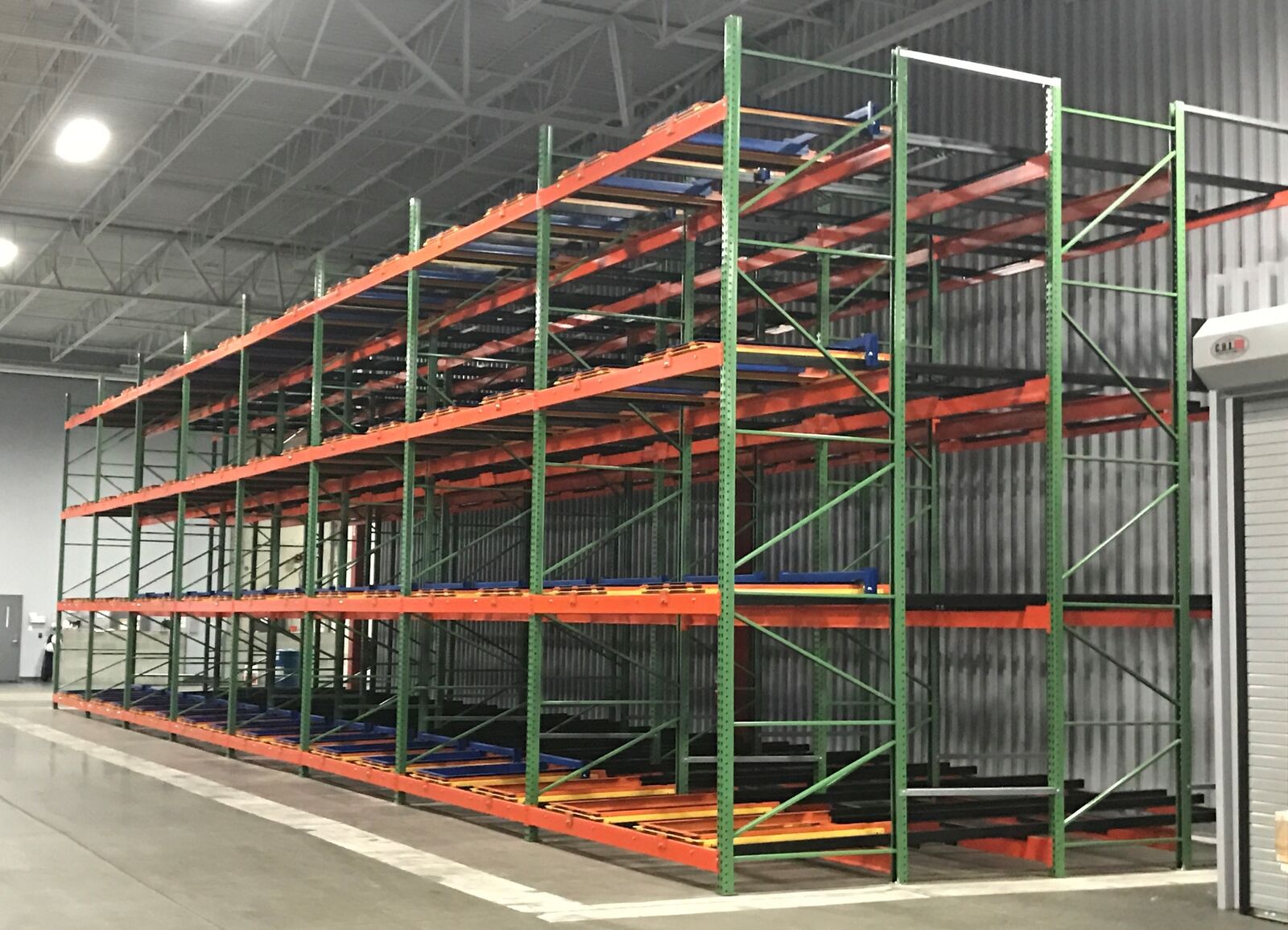
Pushback Rack in Aliquippa, PA
Pushback rack in Aliquippa gives industrial maintenance, fabrication, and building supply operations a way to consolidate repeated pallet loads without dedicating an access aisle to every row. The arrangement suits reserve inventory that can leave in last-in, first-out order, while keeping forklift loading and retrieval at the front of each lane.
Along PA-51 and the Ohio River valley, a storage project should begin with the building rather than a target pallet count. Floor conditions, receiving access, and established equipment routes determine where deeper storage belongs. Connections to I-376 also make it worth separating inbound staging from pallets intended to remain in reserve.
Why pushback rack suits repeated industrial loads
A pushback rack system typically holds pallets two to six deep on nested carts traveling along inclined rails. Loading another pallet moves the occupied carts farther into the lane. During retrieval, the remaining loads advance toward the aisle under controlled forklift handling; operators must follow the equipment supplier's loading and unloading procedures.
This arrangement can provide fewer aisles than an equivalent selective layout, but it does not offer independent access to every pallet. Selective rack is preferable for varied parts with only one or two pallets per SKU. Drive-in storage may accommodate larger product blocks, although its forklifts enter storage lanes rather than remaining outside them.
The strongest application is a group of repeat loads with compatible pallets and predictable withdrawal patterns. Building materials or maintenance consumables may fit that profile; mixed job allocations may not. Assigning one SKU per lane helps prevent a needed pallet from becoming trapped behind unrelated inventory.
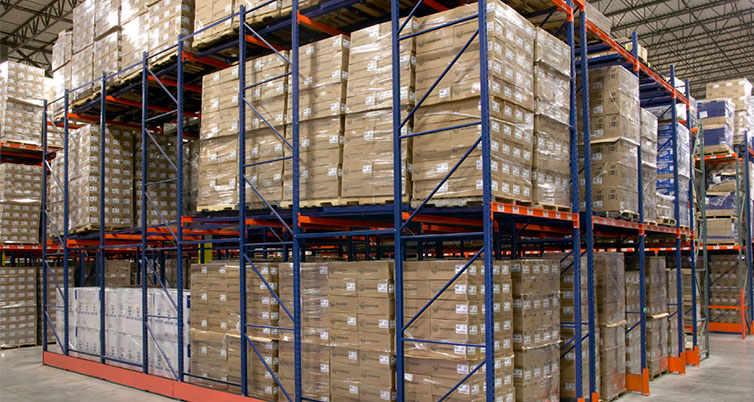
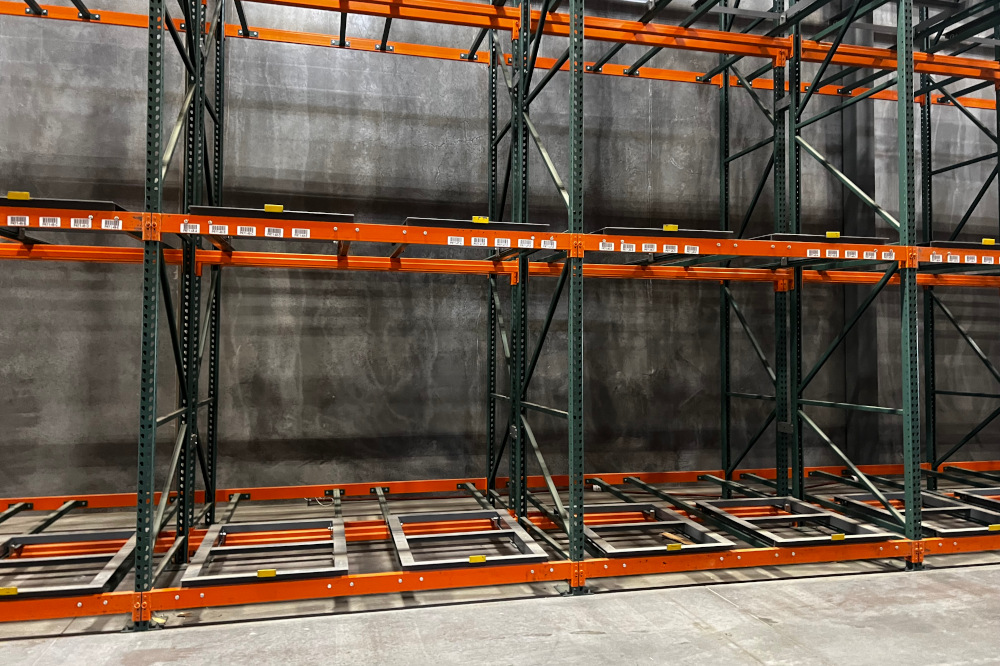
Operations We Rack Around Here
Local industrial areas and travel corridors include PA-51, Ohio River, I-376, Beaver Valley.
How we plan pushback pallet rack
We compare inventory records with actual handling practices before choosing lane depth. The objective is usable reserve capacity, not a drawing filled with positions that the operation cannot consistently occupy.
Count pallets by SKU
Record typical and peak quantities, replenishment batches, and withdrawal frequency. A six-deep lane is a poor match when most products rarely exceed three pallets on hand.
Examine representative loads
Measure pallet dimensions, underside construction, loaded height, and maximum weight. Check load stability and overhang because cartons, wrapping, and projecting material affect movement between adjacent positions.
Measure the working envelope
Document columns, usable height, dock approaches, and forklift turning requirements. Preserve routes used by fabrication equipment and distinguish receiving space from permanent storage footprints.
Sequence installation activities
We schedule and manage experienced installation crews, agreeing on work zones and inventory relocation with your team. The sequence should protect access to the receiving area throughout the agreed phases.
Pushback rack sizing and existing-row decisions
Beam and frame sizing must account for the complete loaded assembly, including carts, rails, pallet weights, and the reactions transferred through the system. Upright height, beam elevations, frame depth, and connection details belong in one coordinated design. A capacity label from an unrelated selective bay does not establish suitability.
Adding this equipment to existing rack requires more than matching a beam connector. We review manufacturer information, component condition, documented capacities, and the proposed arrangement before recommending reuse. Where compatibility cannot be established, a separate properly specified row can be a clearer option than adapting unidentified components.
Our business is a division of Warehouse Equipment & Supplies Co., supplying and installing storage equipment since 1997. For an Aliquippa project, we connect those planning services to the actual load mix and available footprint, rather than assuming every former industrial space should receive the same storage layout.
Compare layouts for repeated loads and mixed inventory:
Warehouse Rack Systems
Storage configurations for pallet handling, long material, and case picking.
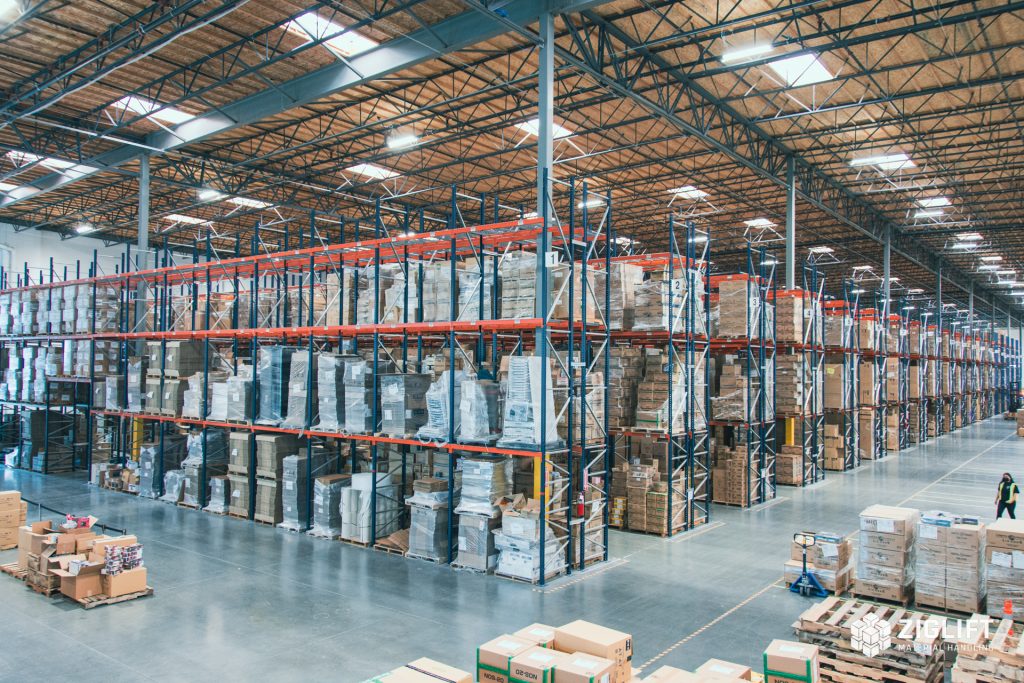


Get a Pushback Rack Quote for Your Aliquippa Warehouse
Send the basics and we will follow up with a layout and pricing. Prefer to talk it through? Call (412) 866-1406.
Pittsburgh Pallet Racks
2681 Sidney St.
Suite D
Pittsburgh, PA 15203
(412) 866-1406Monday - Friday: 8:00 AM - 6:00 PM
Aliquippa reserve-storage questions
Other Storage Services in Aliquippa
Pallet Rack
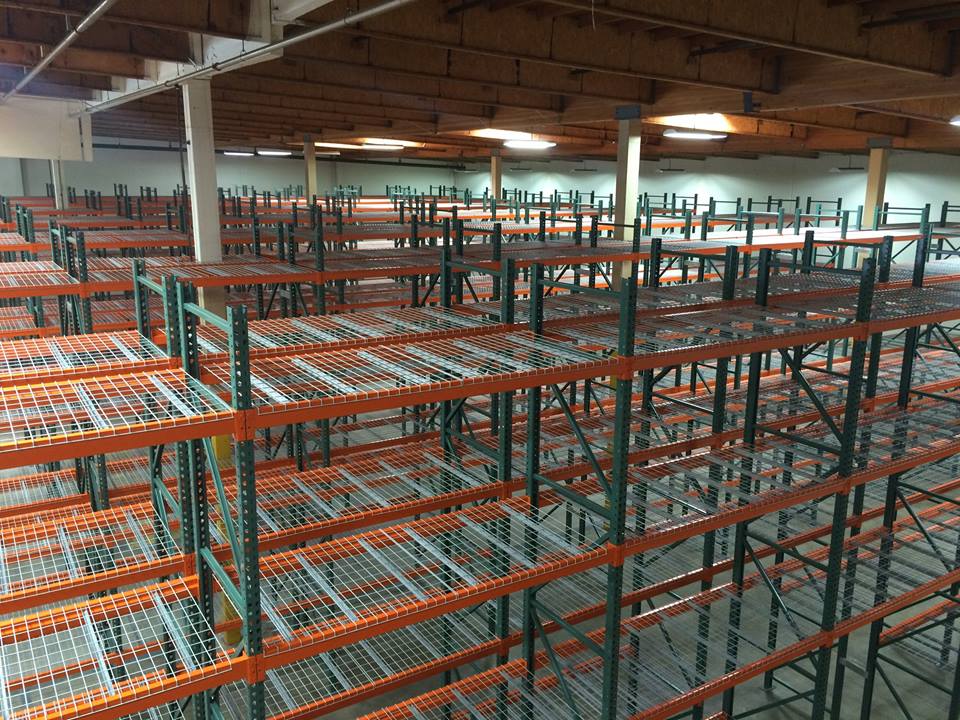
Every pallet reachable, every time. The baseline we size everything else against.
View details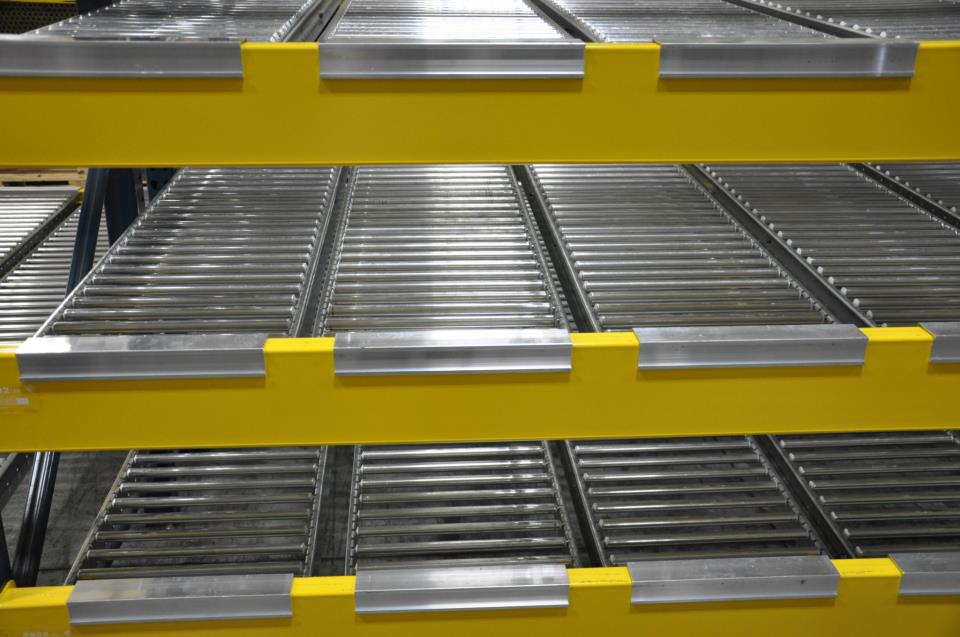
Carton Flow Rack
Cases advance to the picker instead of the picker hunting for cases.
View details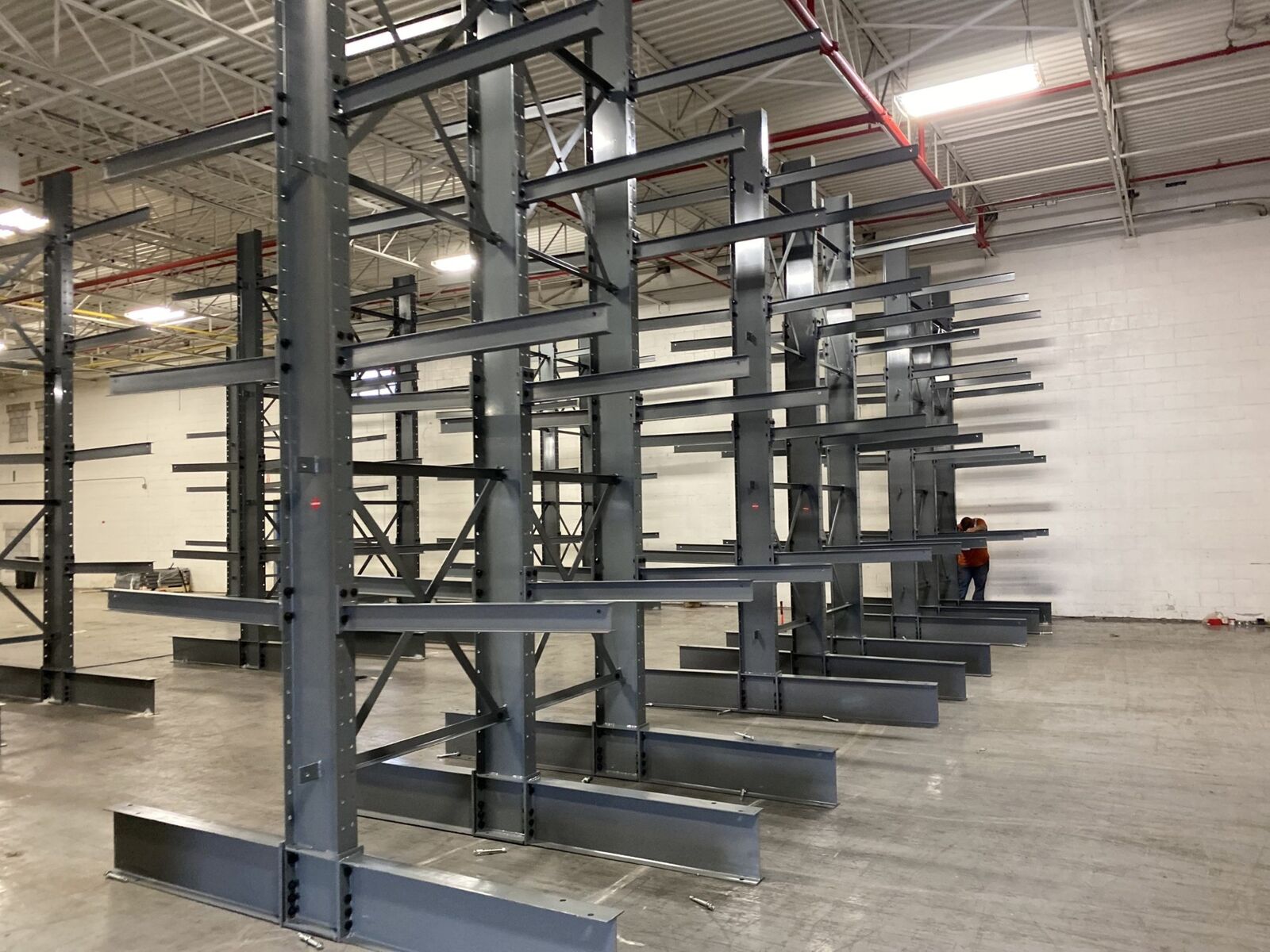
Cantilever Rack
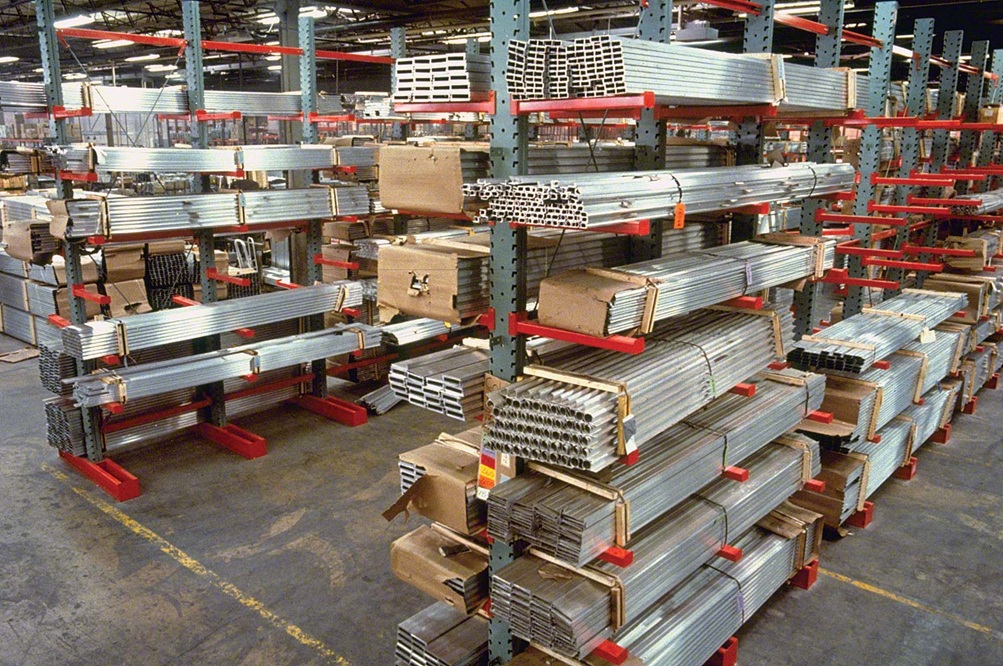
Arms with nothing in front of them, built for lumber, pipe, and anything a pallet can't hold.
View details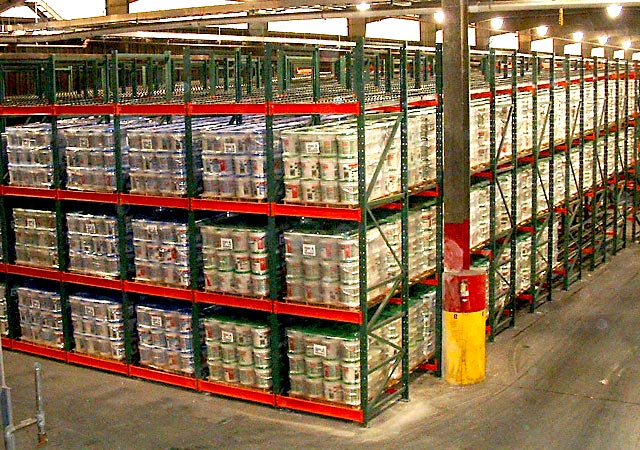
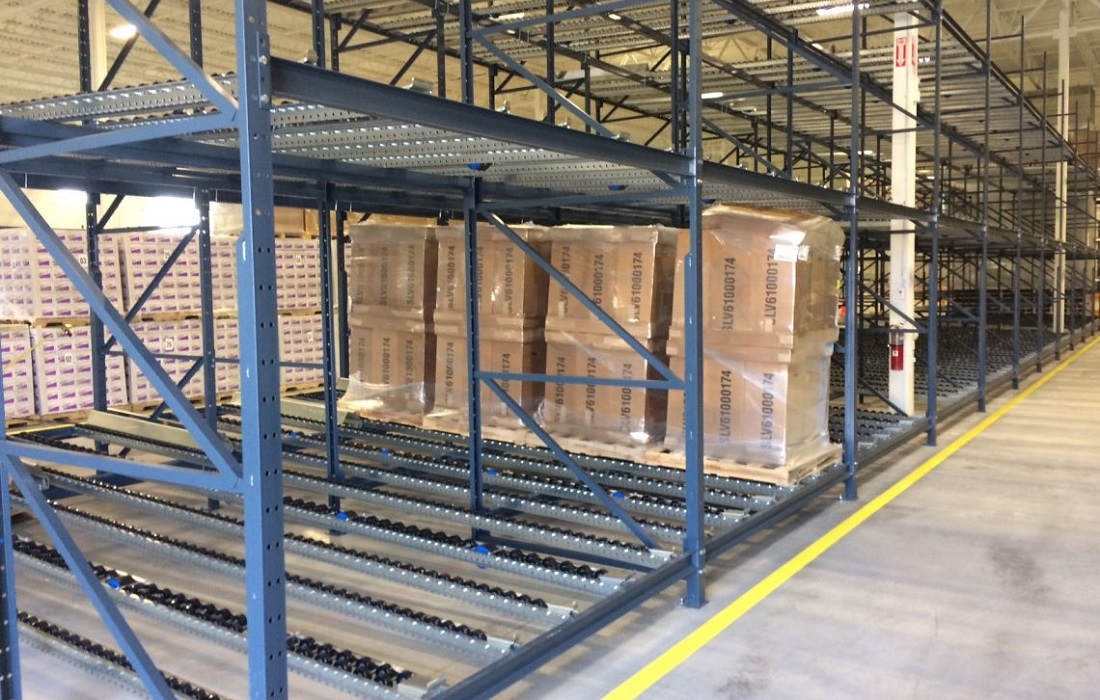
Pallet Flow Rack
Load one side, pick the other, and let gravity enforce first in, first out.
View details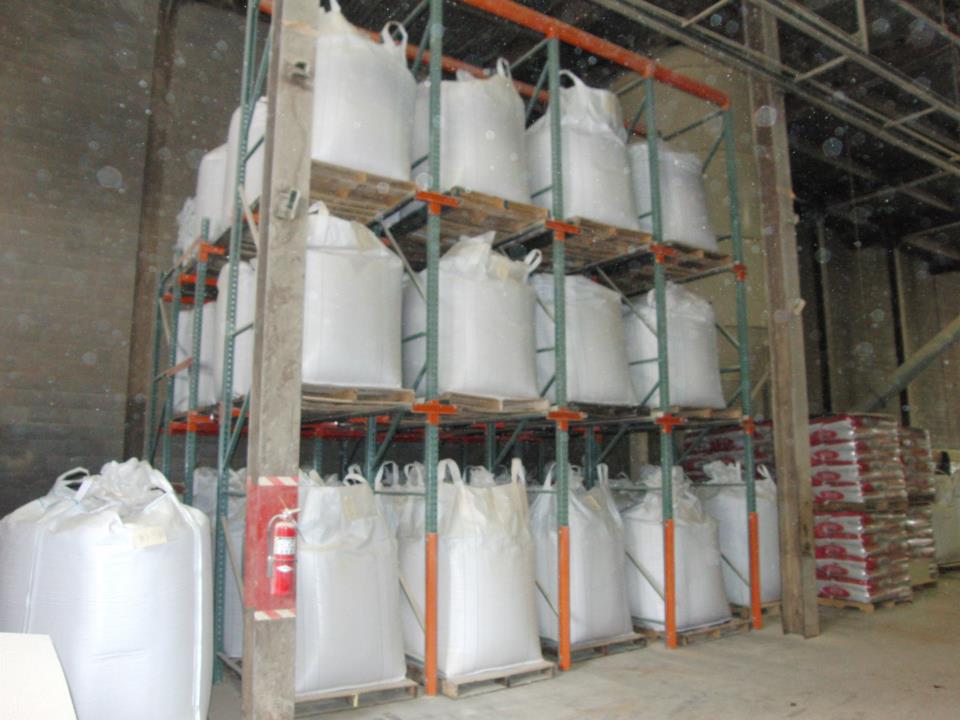
Drive-In Rack
Forklifts enter deep storage lanes, trading individual pallet access for bulk storage capacity.
View detailsWarehouse Relocation
Teardown, component labeling, transport coordination, and reinstallation planned around your move.
View detailsNearby Areas We Also Serve
Our delivery and installation territory covers Greater Pittsburgh and western Pennsylvania, so one team can handle multiple buildings for the same company.
Where We Work
Located in Pittsburgh, we serve the entire Greater Pittsburgh metro with industrial pallet racks and warehouse storage solutions.
Pittsburgh Pallet Racks
Address
2681 Sidney St.
Suite D
Pittsburgh, PA 15203
Phone
(412) 866-1406Business Hours
Monday - Friday: 8:00 AM - 6:00 PM
Saturday: Closed
Sunday: Closed
Need Pushback Rack in Aliquippa?
Call (412) 866-1406 or request a quote and we will get a layout started.