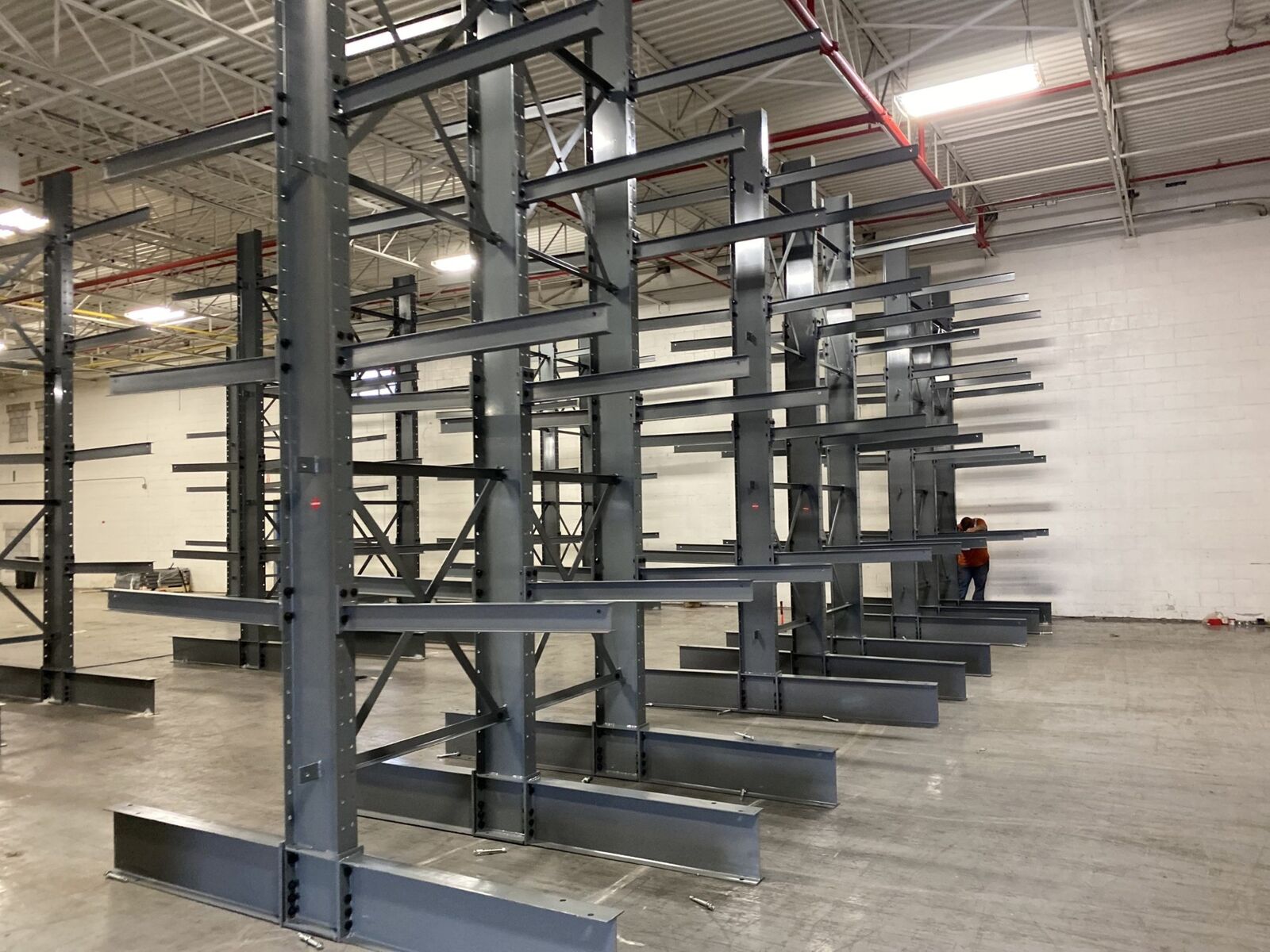
Cantilever Rack in Aliquippa, PA
Cantilever rack in Aliquippa puts long material on projecting arms instead of forcing it between front columns. For metal fabrication, that open face changes how bar, pipe, and tube reach the cutting area. Lumber, sheet products, and bulky bundles also need support chosen for their shape, not merely an empty position on a drawing.
Along PA-51, a reused industrial building may retain equipment routes that the new storage arrangement must respect. Ohio River receiving access also affects where incoming bundles can wait before lifting. Our division belongs to Warehouse Equipment & Supplies Co.; its supply and installation work dates to 1997. We propose new equipment around measured loads and handling paths.
Why cantilever rack suits fabrication stock
Arms attach to uprights, leaving the loading face free of front columns. That allows side access to long lengths, but it does not make every bundle interchangeable. Round stock needs appropriate restraint; sheet material needs enough bearing support to avoid damage. Separate loose pieces from strapped packs when identifying what each level must carry.
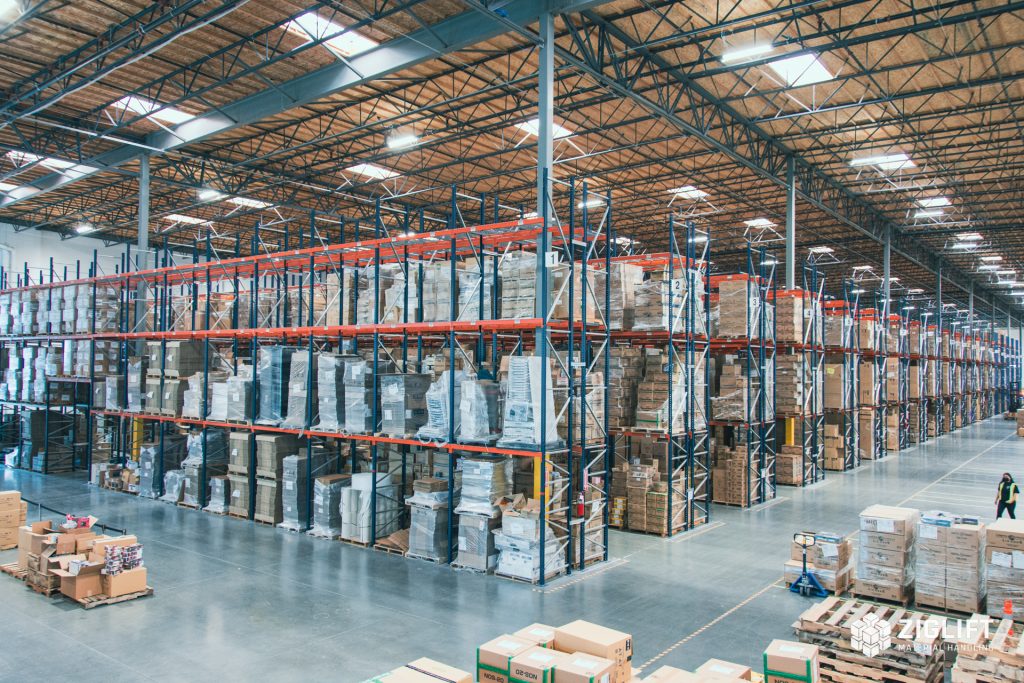
Selective palletized storage remains the better starting point for cartons and components that stay on pallets. Cantilever racking addresses material whose length or overhang makes a pallet position awkward. Put those two storage methods beside their actual work destinations rather than combining unlike loads simply because they arrive on the same truck.
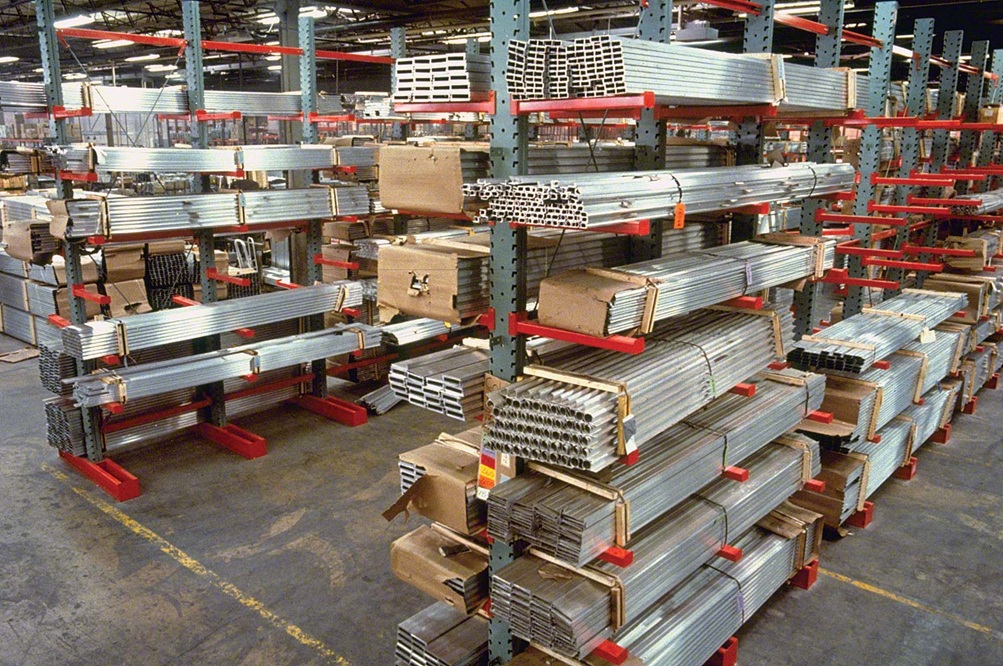
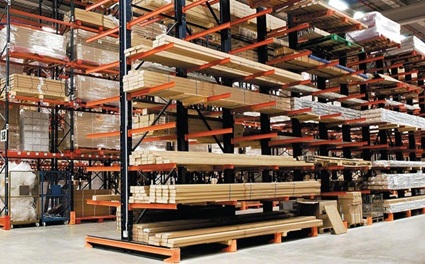
Operations We Rack Around Here
Keep fabrication feedstock separate from receiving queues along the PA-51 approach. Assigned arm levels can distinguish incoming bundles, released material, and usable remnants without consuming the travel path.
Cantilever storage rack geometry before height
Arm length must accommodate the load depth and intended placement without relying on unsupported projection. Capacity depends on the specified arms, uprights, base arrangement, and loading pattern. Support spacing follows material stiffness and allowable load deflection: a thin tube and a substantial bar can demand different support arrangements despite sharing an overall length.
A single sided row can work along a boundary where access exists from one face. Double sided uprights serve opposing aisles, provided both handling routes remain usable. For an outdoor location, review exposure, drainage around stored material, and the proposed finish with the equipment supplier. An indoor finish should never be assumed suitable for weather without confirmation.
Planning cantilever rack around long-load travel
In a planning practice shaped by twenty-five years of equipment decisions, the recurring mistake is measuring only the truck. The carried bundle defines a much larger turning envelope. Establish that envelope before setting row ends, loading approaches, or the space between storage and production.
Document the material
Record maximum and minimum lengths, bundle depths, weights, and whether packs remain strapped. Note which pieces bend readily and which orders require individual retrieval rather than removal of a complete bundle.
Select the supporting layout
Match arm projection and rated capacity to the intended loads, then establish upright spacing. Check the shortest stock as carefully as the longest so a cut remnant cannot lose necessary bearing points.
Trace loaded equipment movement
Compare a conventional forklift approach with a side-loader route where appropriate. Use the actual attachment and load length to check turning, withdrawal, and placement without assuming an unobstructed rack face eliminates aisle requirements.
Coordinate new equipment installation
Confirm component arrangement, working clearances, and the planned sequence before delivery. Install the specified system anchored to the floor as required by its design, then identify intended load positions and review loading practices with the operating team.
Compare open-face support for long stock with selective positions for palletized supplies; flow and drive-in arrangements address different inventory movement and access priorities.
Warehouse Rack Systems
Storage configurations for pallet handling, long material, and case picking.


Get a Cantilever Rack Quote for Your Aliquippa Warehouse
Send stock lengths, bundle weights, cross sections, and a sketch of the loading approach. Photographs showing the proposed row ends help explain where long material must turn. Call (412) 866-1406.
Pittsburgh Pallet Racks
2681 Sidney St.
Suite D
Pittsburgh, PA 15203
(412) 866-1406Monday - Friday: 8:00 AM - 6:00 PM
Aliquippa cantilever rack questions
Other Storage Services in Aliquippa
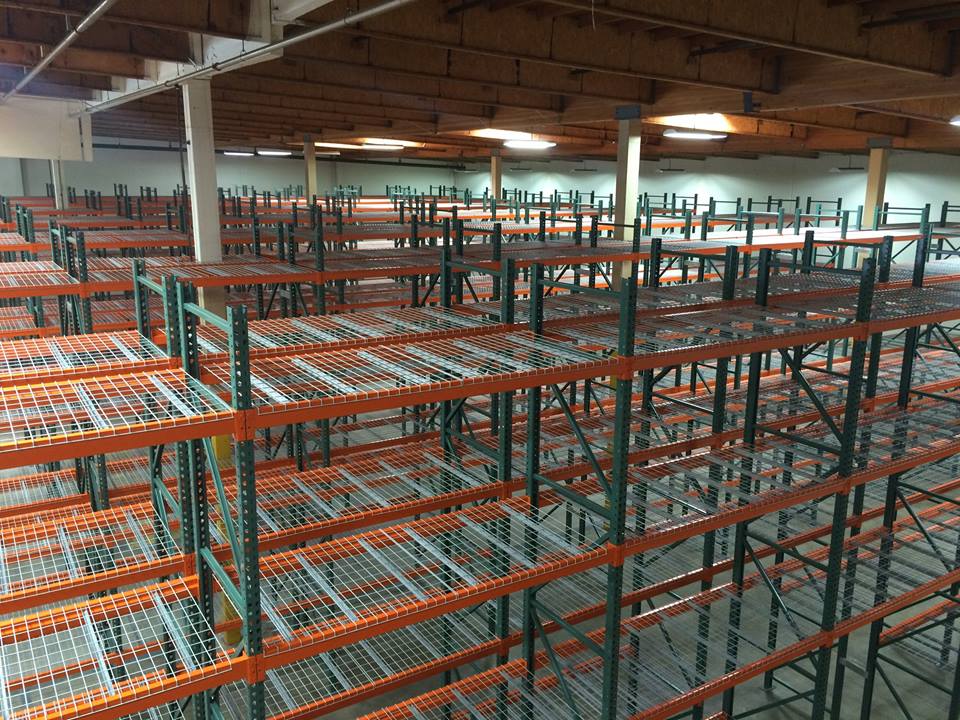
Pallet Rack
Every pallet reachable, every time. The baseline we size everything else against.
View details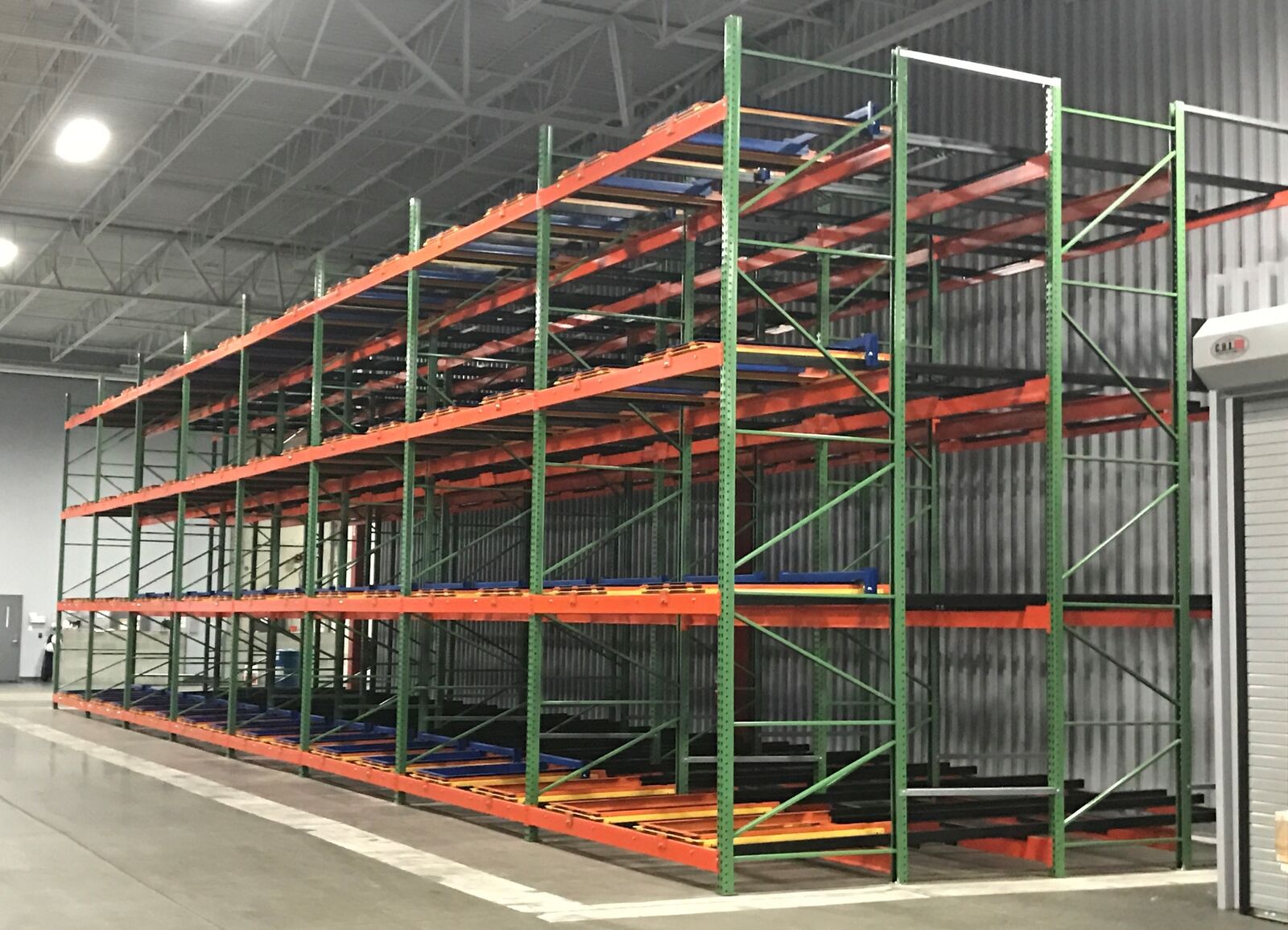
Pushback Rack
Two to six pallets deep from one aisle, without giving up much reach.
View details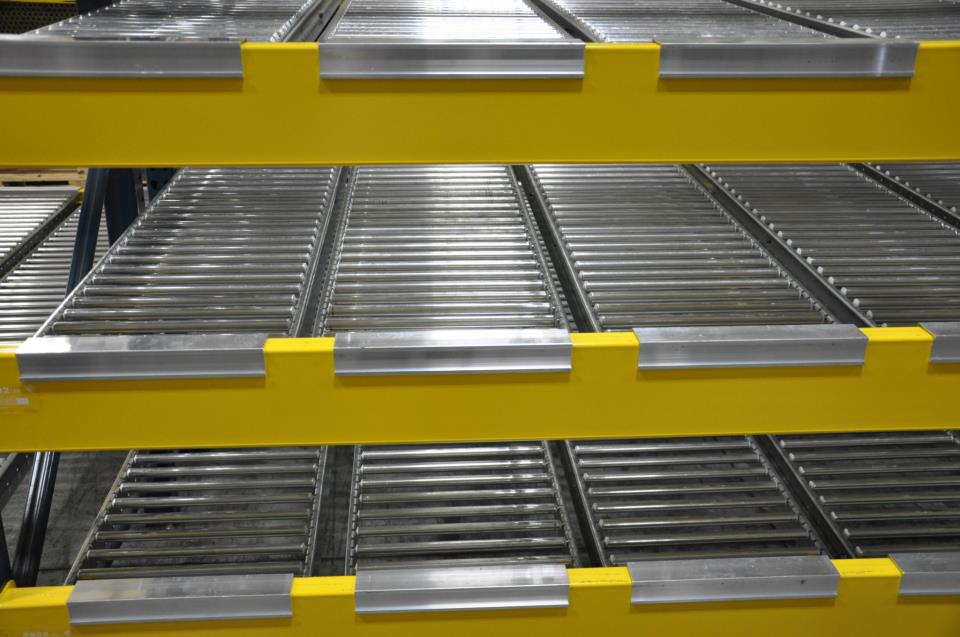
Carton Flow Rack
Cases advance to the picker instead of the picker hunting for cases.
View details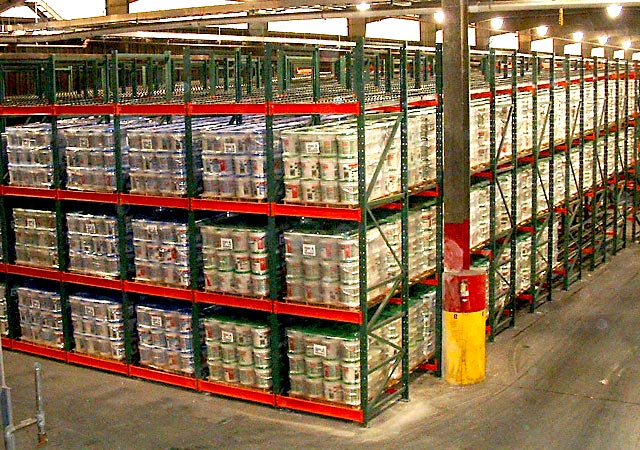
Pallet Flow Rack
Load one side, pick the other, and let gravity enforce first in, first out.
View details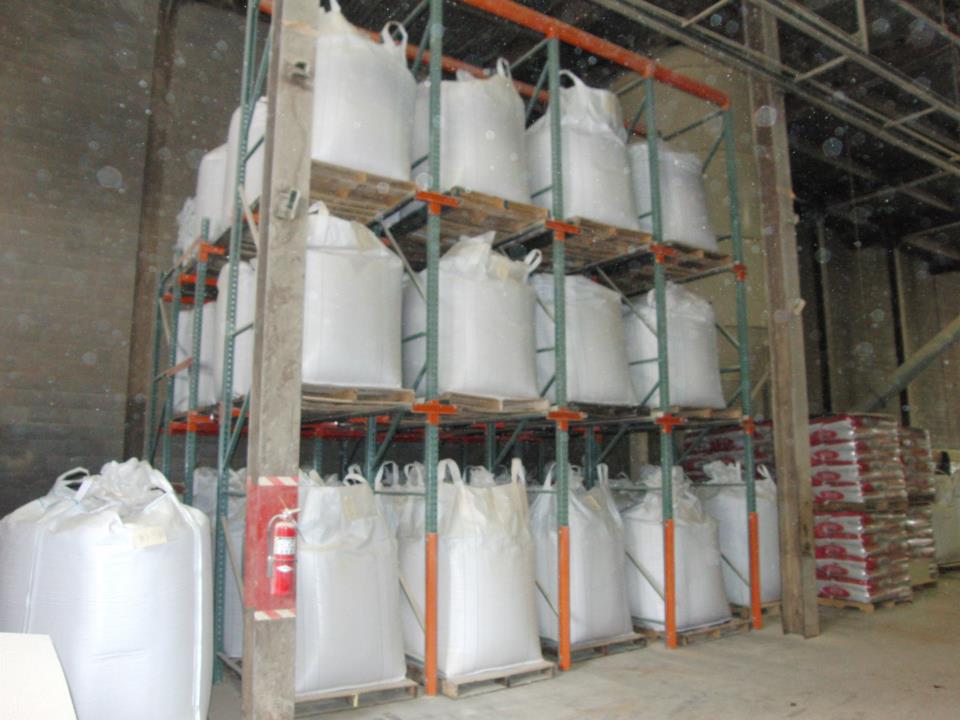
Drive-In Rack
Forklifts enter deep storage lanes, trading individual pallet access for bulk storage capacity.
View detailsWarehouse Relocation
Teardown, component labeling, transport coordination, and reinstallation planned around your move.
View detailsNearby Areas We Also Serve
For buildings serving the wider Beaver Valley through I-376, review each unloading point independently. A common material list does not guarantee matching arm arrangements or handling clearances at every address.
Where We Work
Located in Pittsburgh, we serve the entire Greater Pittsburgh metro with industrial pallet racks and warehouse storage solutions.
Pittsburgh Pallet Racks
Address
2681 Sidney St.
Suite D
Pittsburgh, PA 15203
Phone
(412) 866-1406Business Hours
Monday - Friday: 8:00 AM - 6:00 PM
Saturday: Closed
Sunday: Closed
Need Cantilever Rack in Aliquippa?
Call (412) 866-1406 or request a quote and we will get a layout started.