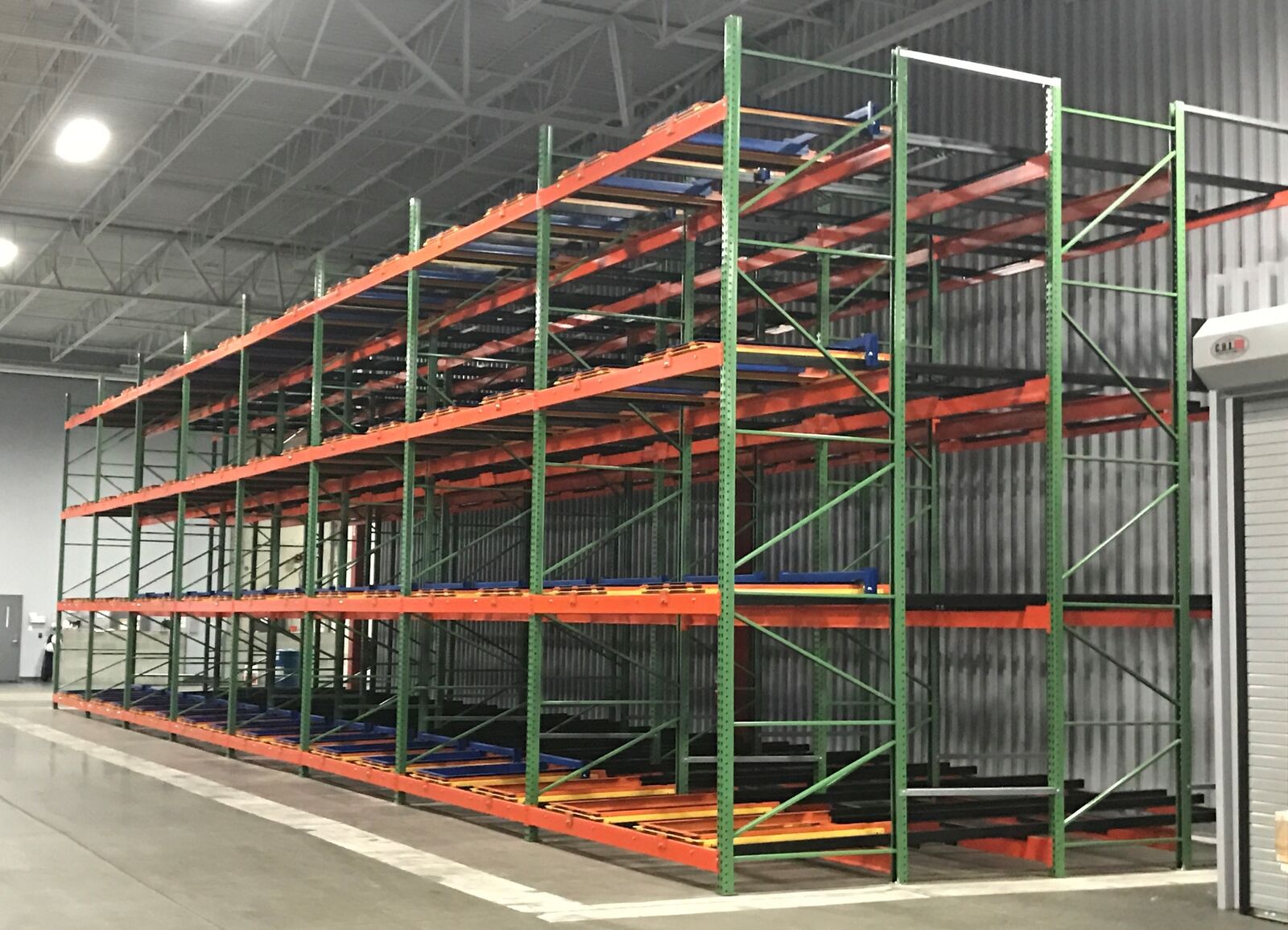
Pushback Rack in Pittsburgh, PA
Pushback rack in Pittsburgh can consolidate repeat pallet quantities where building geometry makes additional aisles difficult to accommodate. Food distribution and medical supply operations should first separate inventory suited to last-in, first-out handling from products that require receipt-specific, expiration-based, or individual pallet selection.
In the Strip District, Lawrenceville, and the South Side, an existing warehouse may have older columns, restricted height, or a receiving area shared by several daily activities. Access via I-376 and river crossings affects delivery coordination, but the storage layout ultimately depends on measured clearances and the movement of loads inside the building.
Pushback rack fit in constrained buildings
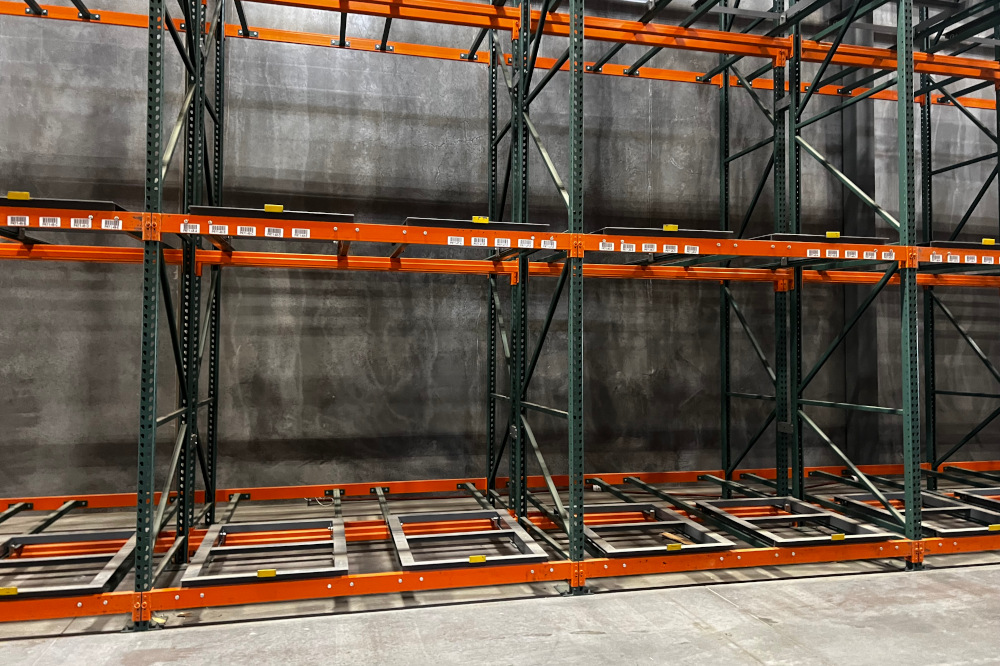
A typical system stores pallets two to six deep on nested carts running along inclined rails. Each added pallet moves the preceding loads farther into the lane. Removing the front load lets the remaining carts advance toward the aisle, with movement controlled by the forklift operator following the supplier's operating procedure.
The incline and cart assembly consume vertical space that a selective-rack sketch may overlook. Beam and frame sizing must reflect loaded pallets, equipment weight, system reactions, and storage elevations. Measure the lowest relevant obstruction and column locations before assuming that a deeper footprint will also accommodate the desired number of levels.
Our storage-equipment supply and installation work began in 1997 under Warehouse Equipment & Supplies Co.; we operate as a division of that company. For Pittsburgh facilities, the assessment connects inventory access requirements with the actual building envelope rather than relying on nominal ceiling height or gross floor area.
How we evaluate pushback pallet rack
We start with the products and their release rules, then test a layout against the building. That sequence is especially important when food or medical supply inventory cannot simply leave in reverse receipt order.
Classify rotation requirements
Identify expiration dates, lot controls, customer allocations, and any required receipt sequence. Separate compatible reserve products from inventory that needs direct selection or a different rotation method.
Match depth to SKU quantities
Compare normal and peak pallet counts for each product. Select lane depths that remain useful during drawdown instead of reserving six positions for lines that usually hold only two pallets.
Survey structure and handling
Measure columns, usable height, dock approaches, and forklift clearance. Review load weight, pallet underside construction, overhang, and truck capability at elevation before establishing beam spacing and aisle dimensions.
Arrange installation work
We schedule experienced installation crews and manage their work against the agreed sequence. Your staff helps identify inventory moves, receiving needs, and work-zone boundaries so the plan reflects actual building use.
Where pushback rack belongs beside selective storage
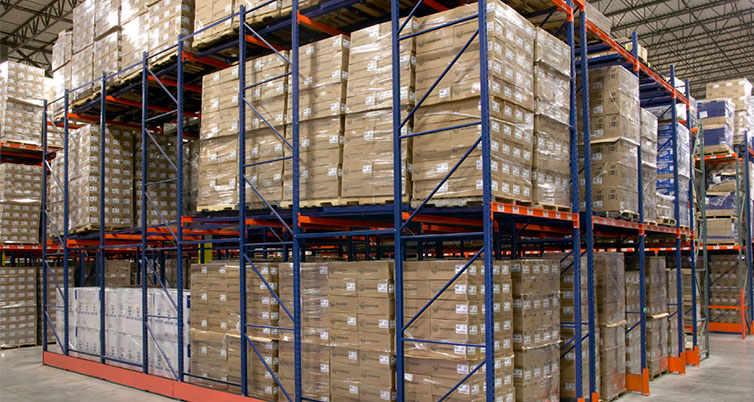
Pushback rack can create fewer aisles than a fully selective arrangement, providing a useful option for repeated reserve loads. The tradeoff is restricted pallet access: each lane operates LIFO. Assigning a single SKU per lane helps, but does not by itself resolve lot or expiration conflicts within that product.
Selective rack supports direct access and may be the better choice for medical supplies with frequent lot selection or food products requiring specific rotation. Drive-in storage generally involves truck travel inside the lane. A cart-based system keeps the truck at the aisle face while still grouping pallets in depth.
Adding deeper storage to existing rack requires a component-level review, not an assumption that familiar beam connections establish suitability. We examine identification, condition, dimensions, and capacity information. Depending on those findings, an independent row beside existing selective bays may be more appropriate than converting the current structure.
Operations We Rack Around Here
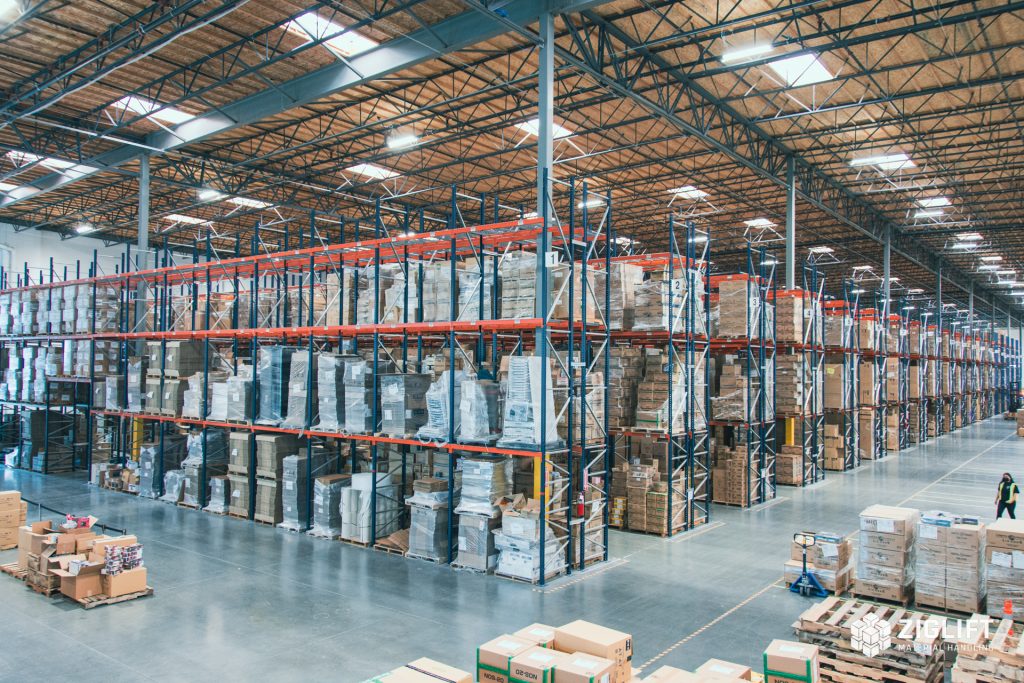
Local industrial areas and travel corridors include Strip District, Lawrenceville, South Side, I-376.
Compare systems for constrained space and inventory rotation:
Warehouse Rack Systems
Storage configurations for pallet handling, long material, and case picking.


Get a Pushback Rack Quote for Your Pittsburgh Warehouse
Send the basics and we will follow up with a layout and pricing. Prefer to talk it through? Call (412) 866-1406.
Pittsburgh Pallet Racks
2681 Sidney St.
Suite D
Pittsburgh, PA 15203
(412) 866-1406Monday - Friday: 8:00 AM - 6:00 PM
Pittsburgh pallet-storage decision questions
Other Storage Services in Pittsburgh
Pallet Rack
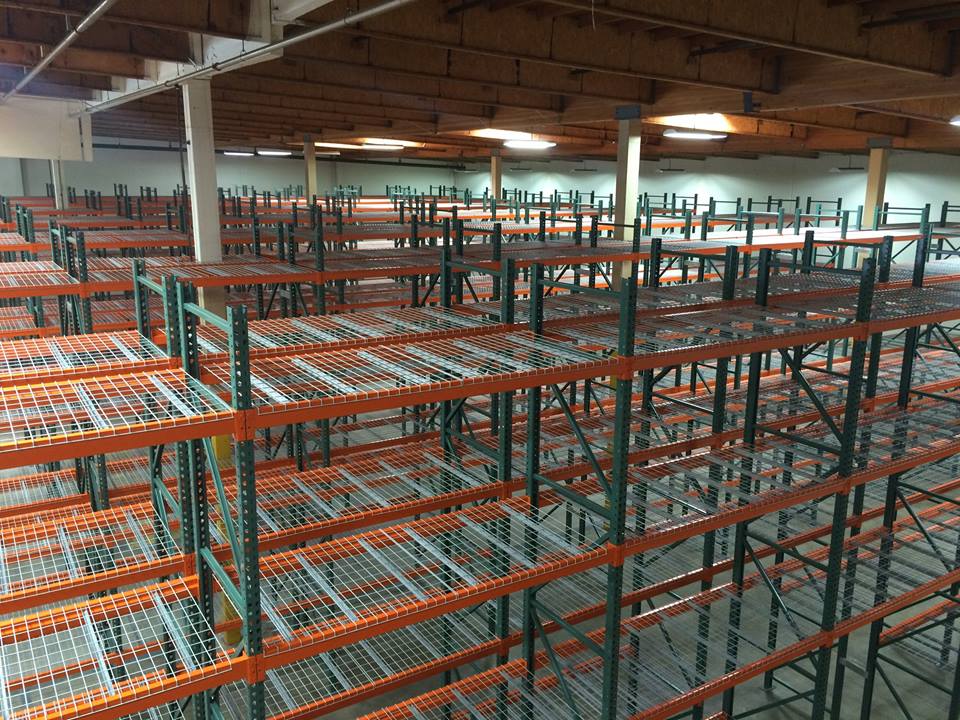
Every pallet reachable, every time. The baseline we size everything else against.
View details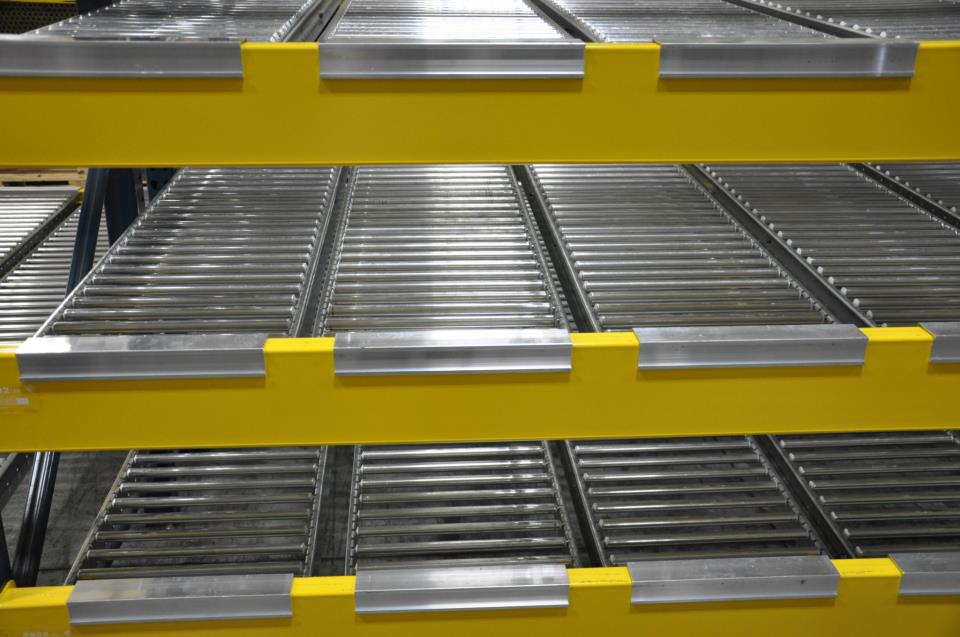
Carton Flow Rack
Cases advance to the picker instead of the picker hunting for cases.
View details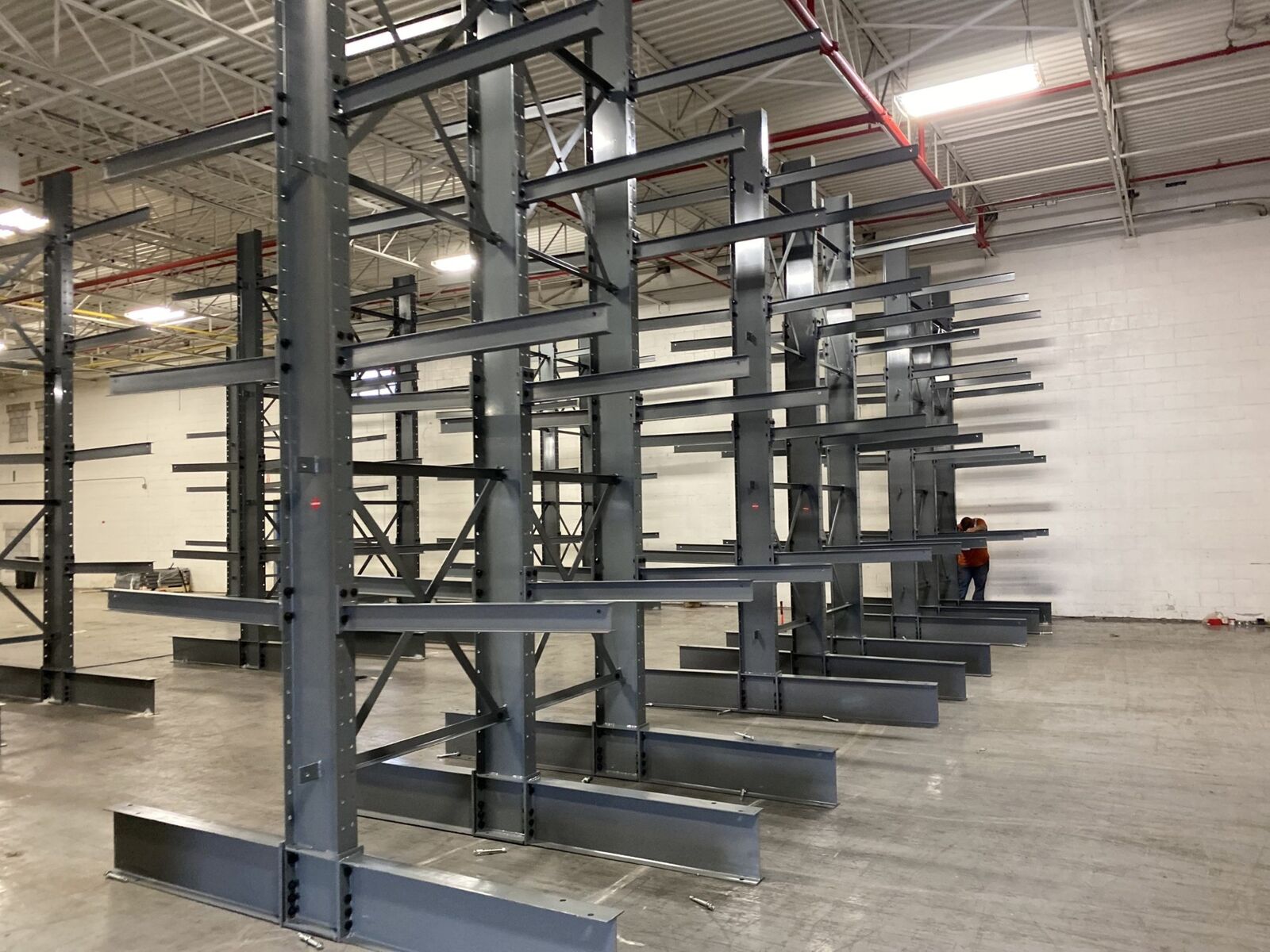
Cantilever Rack
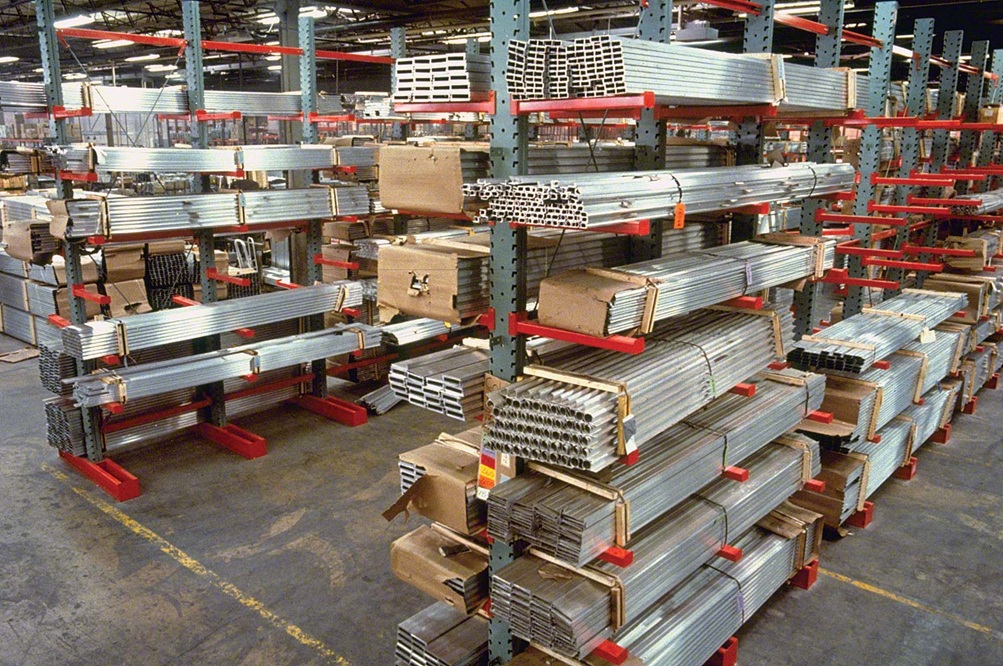
Arms with nothing in front of them, built for lumber, pipe, and anything a pallet can't hold.
View details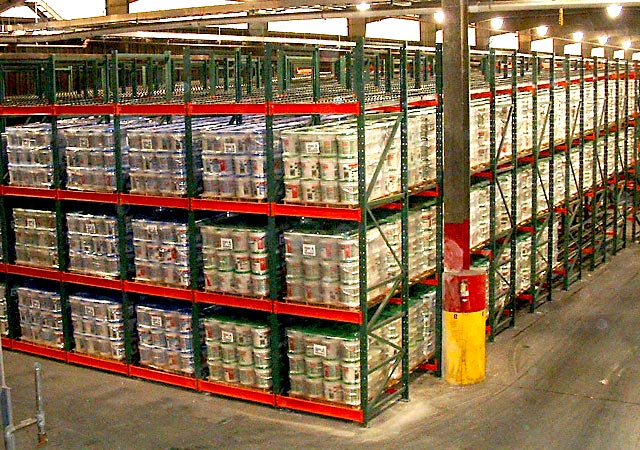
Pallet Flow Rack
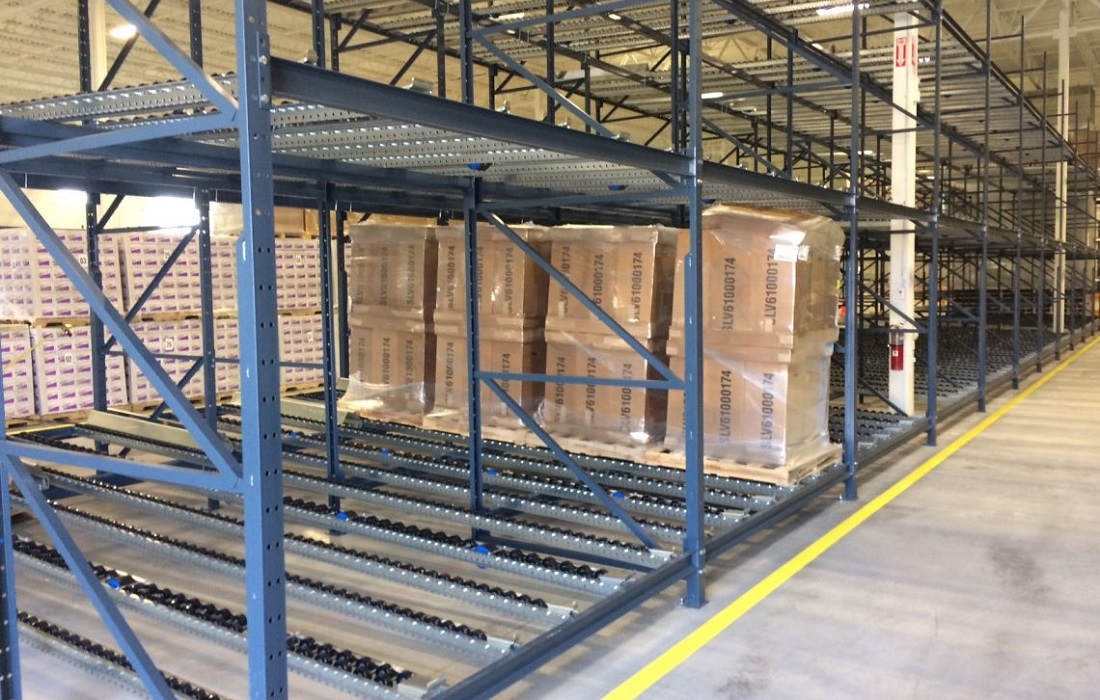
Load one side, pick the other, and let gravity enforce first in, first out.
View details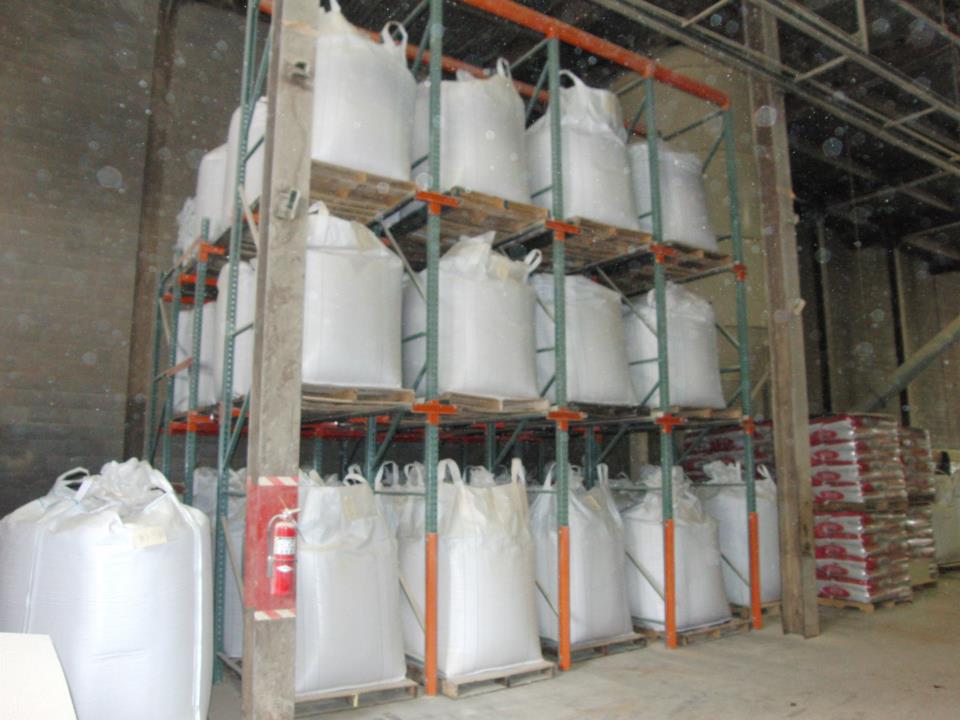
Drive-In Rack
Forklifts enter deep storage lanes, trading individual pallet access for bulk storage capacity.
View detailsWarehouse Relocation
Teardown, component labeling, transport coordination, and reinstallation planned around your move.
View detailsNearby Areas We Also Serve
Our delivery and installation territory covers Greater Pittsburgh and western Pennsylvania, so one team can handle multiple buildings for the same company.
Where We Work
Located in Pittsburgh, we serve the entire Greater Pittsburgh metro with industrial pallet racks and warehouse storage solutions.
Pittsburgh Pallet Racks
Address
2681 Sidney St.
Suite D
Pittsburgh, PA 15203
Phone
(412) 866-1406Business Hours
Monday - Friday: 8:00 AM - 6:00 PM
Saturday: Closed
Sunday: Closed
Need Pushback Rack in Pittsburgh?
Call (412) 866-1406 or request a quote and we will get a layout started.