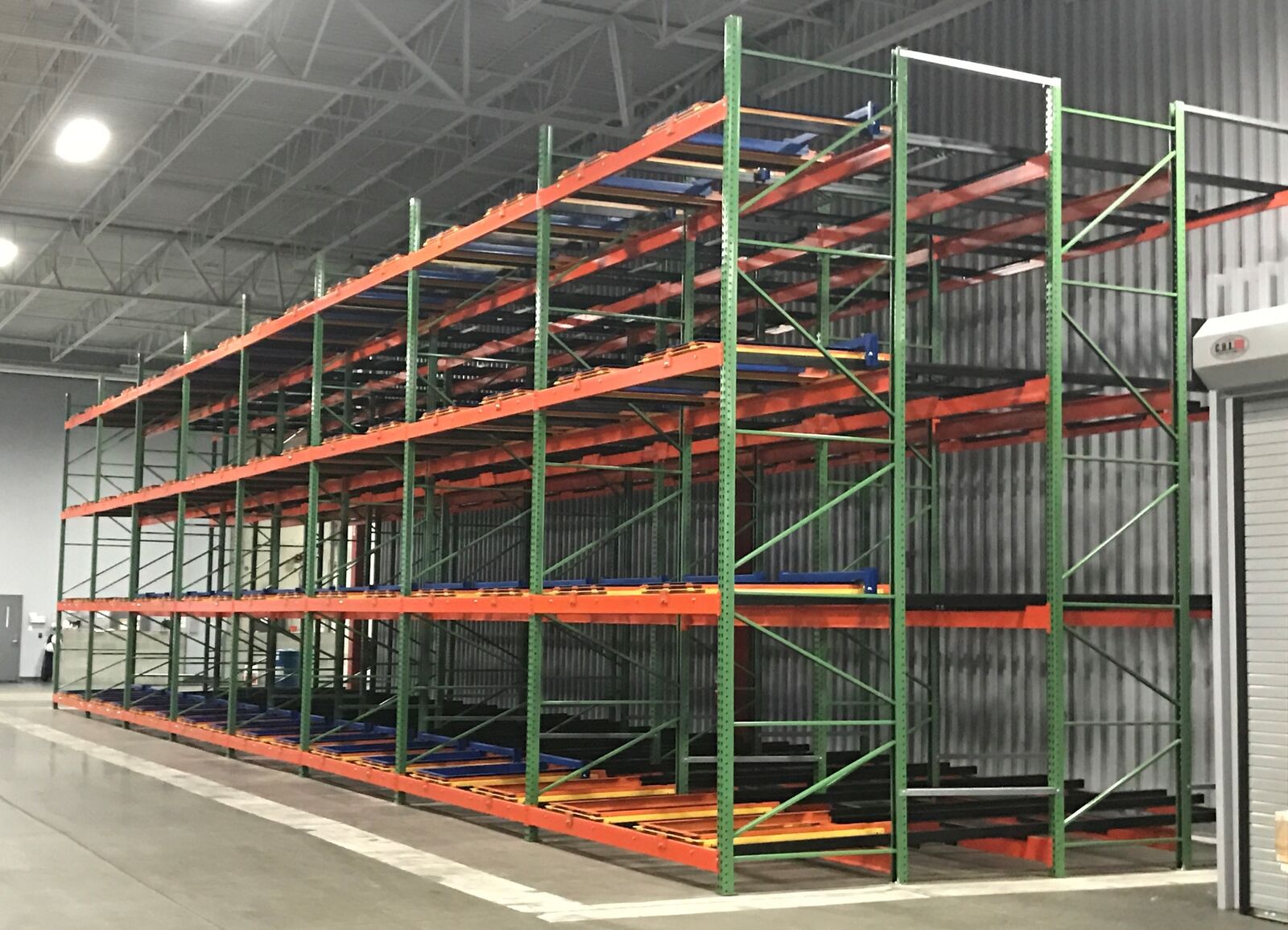
Pushback Rack in Cranberry Township, PA
Pushback rack in Cranberry Township can turn repeated reserve pallets into a denser storage block while preserving working space around receiving. For newer bulk and flex buildings, the opportunity is not simply filling an empty shell. It is choosing a storage pattern that leaves enough room for staging, tenant circulation, and the daily movement between docks and picking areas.
The I-79 and I-76 interchange supports regional distribution, but inbound access does not determine how much inventory belongs in each lane. Around Thorn Hill and the Warrendale area, plans should distinguish warehouse floor space from shared access and trailer needs. Product quantities, handling equipment, and replenishment patterns determine whether deep storage fits the operation.
How pushback rack layouts take shape
We begin with a storage profile rather than a fixed depth. A useful proposal shows how reserve pallets enter, remain identifiable, and return to the shipping or picking process without overwhelming the dock apron inside the building.
Separate reserve from active picking
Identify products shipped as full pallets and those replenishing case-pick locations. Keep frequent piece selection outside deep reserve lanes so operators do not repeatedly extract full loads just to retrieve a small quantity.
Test several lane depths
Model two- through six-deep arrangements against pallets per SKU, seasonal peaks, and inbound batch sizes. Compare occupied positions, not merely theoretical capacity, because a deep lane with only two pallets still consumes its full footprint.
Fit the building and truck
Measure columns, doors, clear working height, and forklift maneuvering needs. For Route 19 receiving operations, preserve an internal buffer for unloading and checking deliveries rather than assuming every arriving pallet moves directly into storage.
Sequence the installation
Experienced crews carry out installation under our scheduling and management. We coordinate delivery access, work zones, and handover stages with your operation, including tenant circulation where a flex property has shared movement areas.
Pushback rack mechanics and capacity considerations
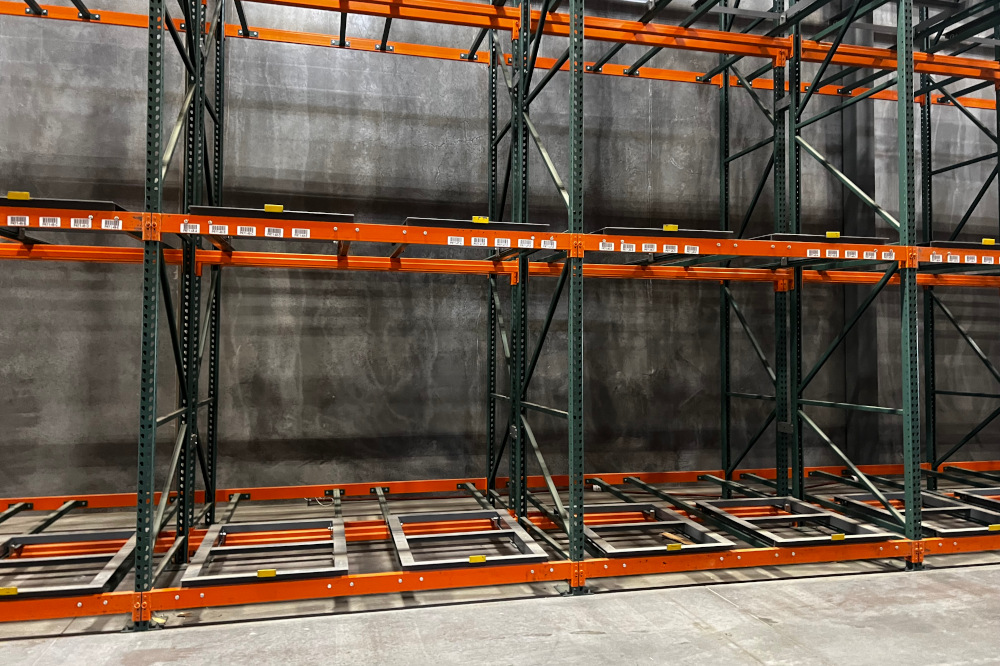
Nested carts travel on inclined rails, allowing pallets to sit two to six positions deep. A newly loaded pallet pushes earlier loads farther into the lane. During retrieval, the next load rolls forward as the operator follows the specified unloading method.
This creates LIFO storage: the last pallet loaded leaves first. Pushback pallet rack therefore favors batches that do not require strict first-in, first-out rotation. Fewer access aisles can release floor area, but the benefit must be balanced against product access and lane occupancy.
Size beams and frames for the proposed loading arrangement, including maximum pallet weights, level elevations, and system geometry. Rails and carts need matching ratings. Before incorporating existing components, verify manufacturer compatibility, connections, dimensions, condition, and capacity documentation rather than relying on a visual match.
Where pushback rack fits a growing inventory
Industrial supply, medical equipment, and consumer goods operations can each hold repeated pallet quantities, yet their rotation requirements differ. Compare lot controls and retrieval frequency before assigning lanes. A growing SKU count may call for more shallow lanes instead of extending every lane deeper.
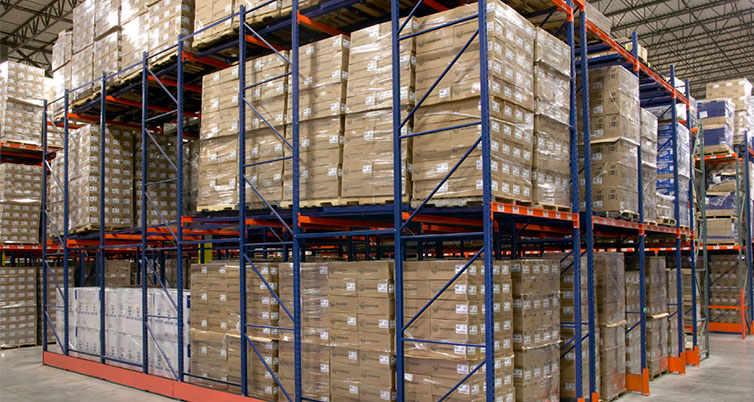
Selective rack keeps each pallet immediately accessible and is often preferable for mixed inventories with limited duplication. Drive-in storage serves larger batches while requiring truck entry into the structure. Push back racking offers dense reserve storage with loading and retrieval performed from the aisle.
As part of Warehouse Equipment & Supplies Co., Pittsburgh Pallet Racks operates as a division supplying and installing warehouse systems since 1997. Our planning connects product characteristics with the usable footprint, so expansion discussions include staging and working access rather than pallet counts alone.
Operations We Rack Around Here
Local industrial areas and travel corridors include I-79, I-76, Route 19, Thorn Hill Industrial Park.
Weigh these alternatives against your reserve-storage mix.
Warehouse Rack Systems
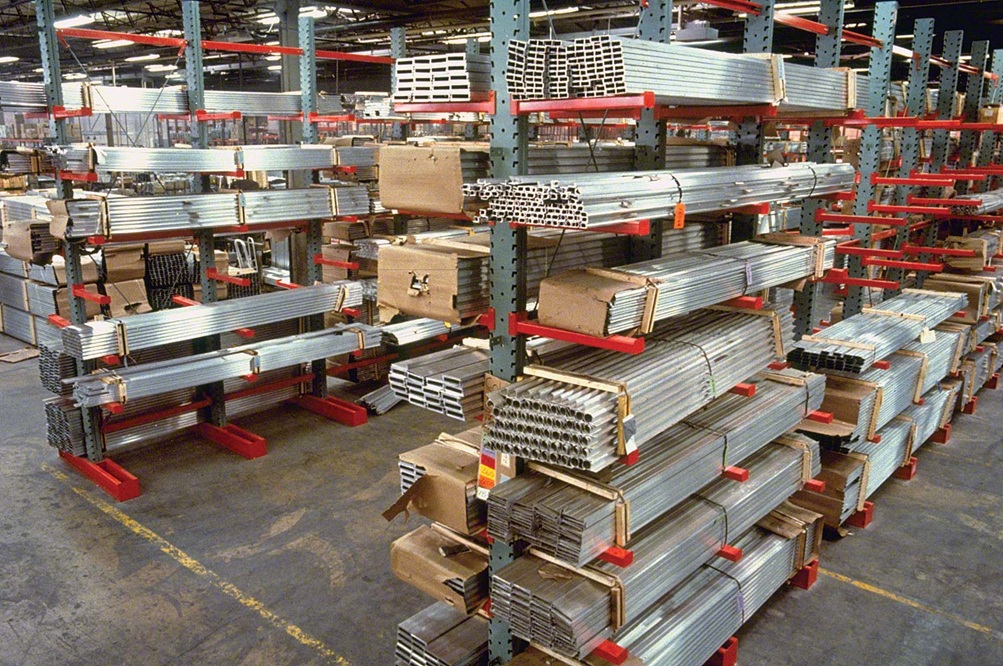
Storage configurations for pallet handling, long material, and case picking.


Get a Pushback Rack Quote for Your Cranberry Township Warehouse
Send the basics and we will follow up with a layout and pricing. Prefer to talk it through? Call (412) 866-1406.
Pittsburgh Pallet Racks
2681 Sidney St.
Suite D
Pittsburgh, PA 15203
(412) 866-1406Monday - Friday: 8:00 AM - 6:00 PM
Answers for northern distribution spaces
Other Storage Services in Cranberry Township
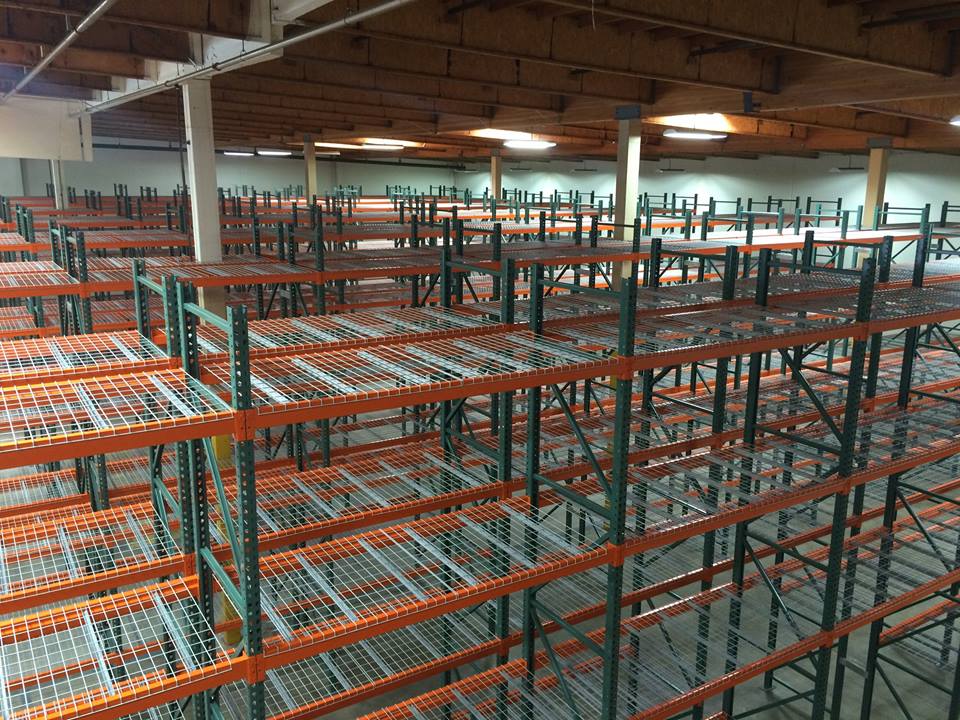
Pallet Rack
Every pallet reachable, every time. The baseline we size everything else against.
View details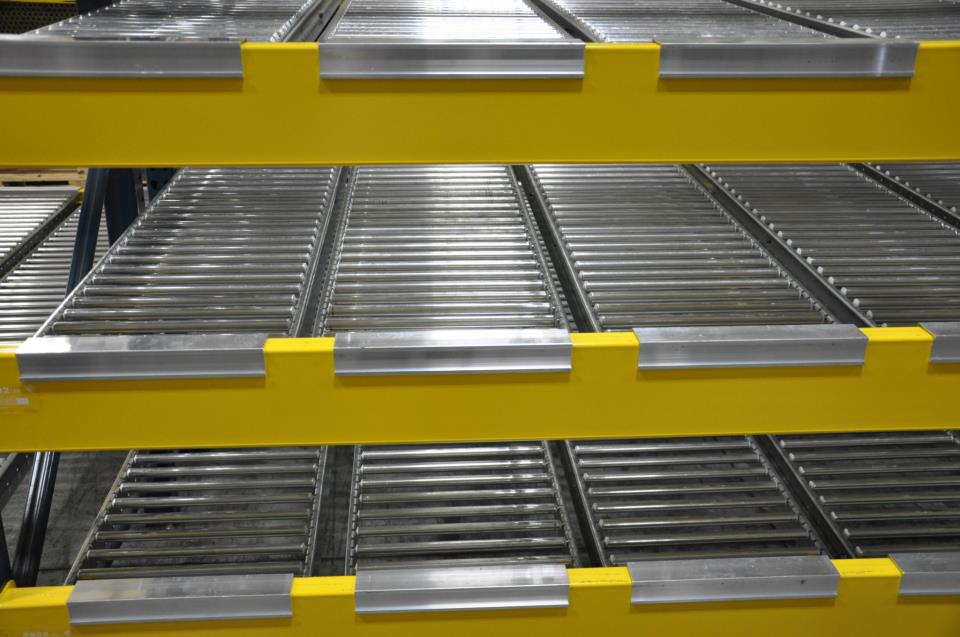
Carton Flow Rack
Cases advance to the picker instead of the picker hunting for cases.
View details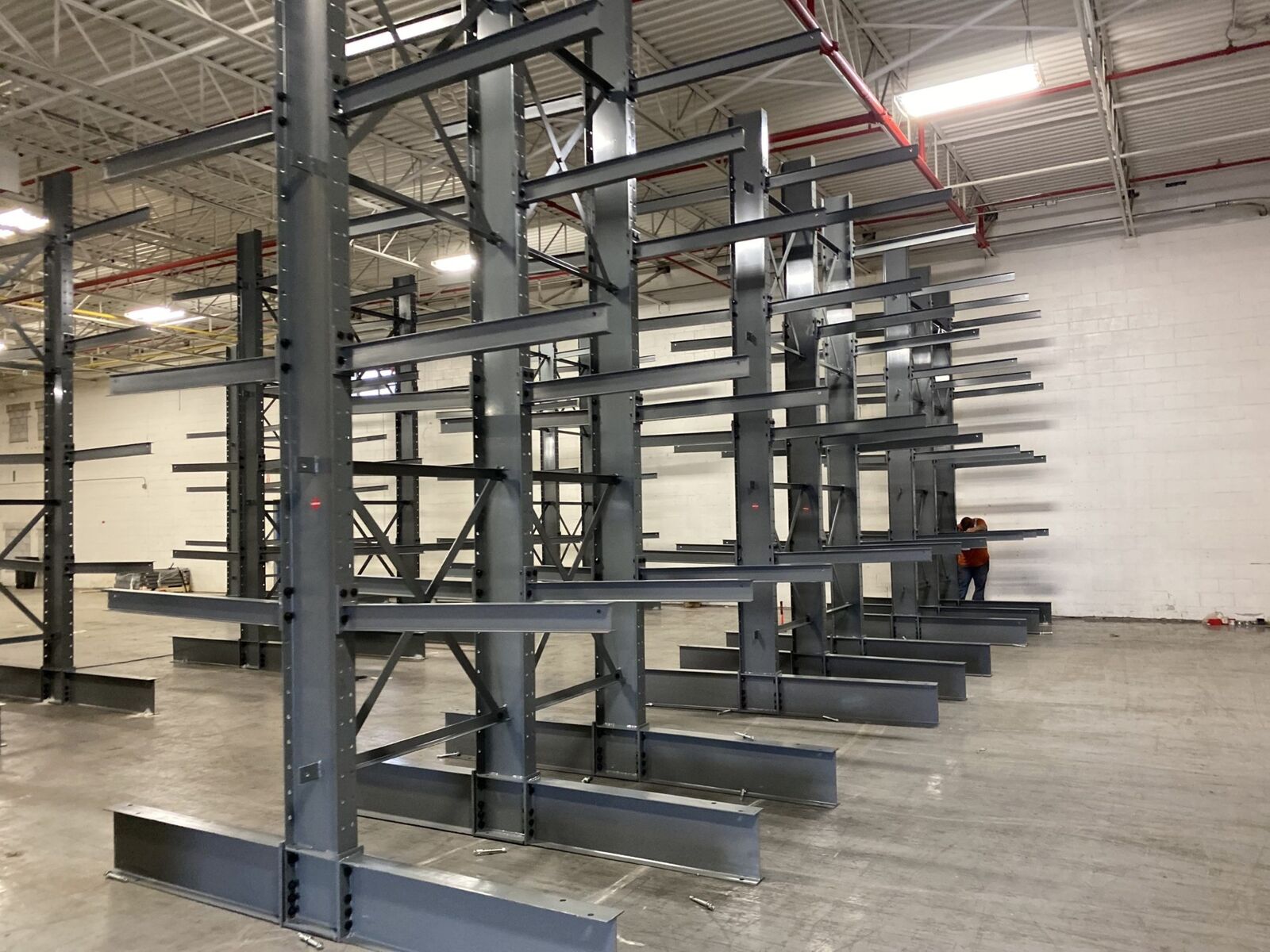
Cantilever Rack
Arms with nothing in front of them, built for lumber, pipe, and anything a pallet can't hold.
View details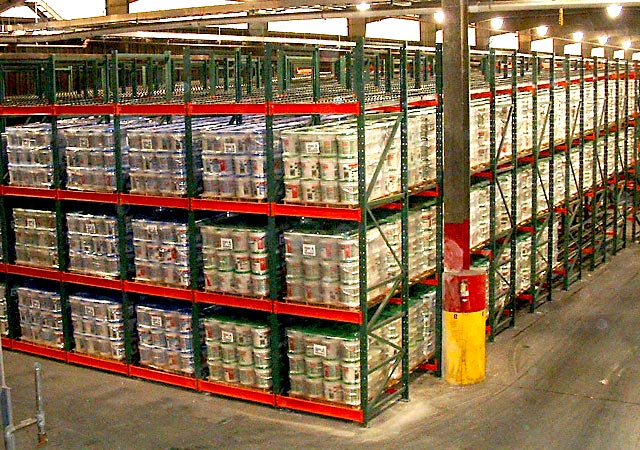
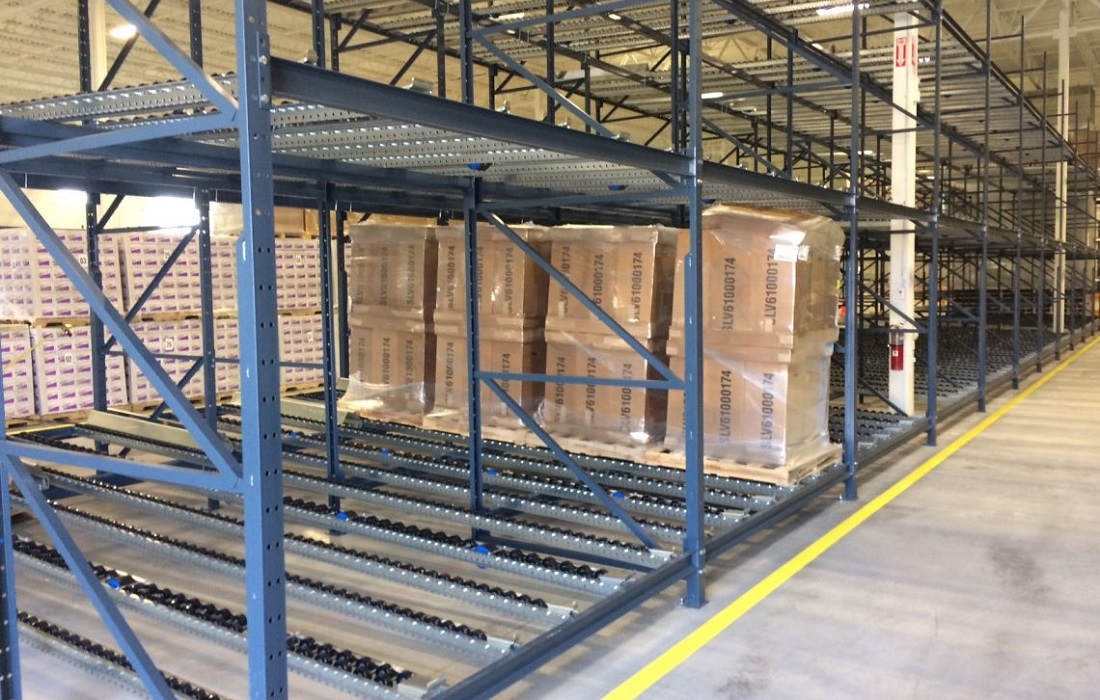
Pallet Flow Rack
Load one side, pick the other, and let gravity enforce first in, first out.
View details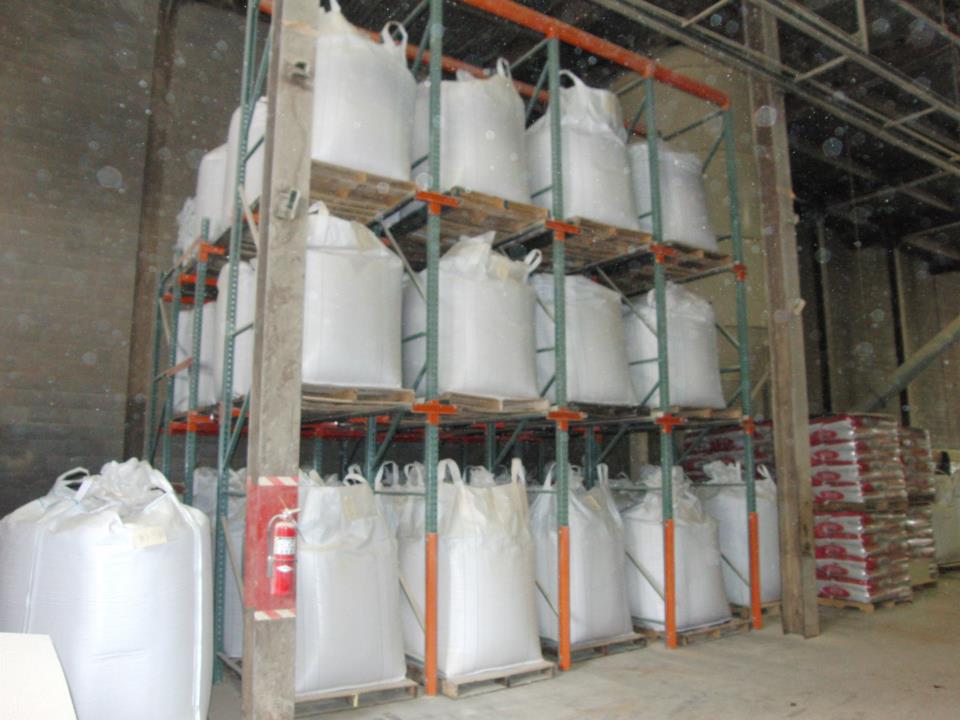
Drive-In Rack
Forklifts enter deep storage lanes, trading individual pallet access for bulk storage capacity.
View detailsWarehouse Relocation
Teardown, component labeling, transport coordination, and reinstallation planned around your move.
View detailsNearby Areas We Also Serve
Our delivery and installation territory covers Greater Pittsburgh and western Pennsylvania, so one team can handle multiple buildings for the same company.
Where We Work
Located in Pittsburgh, we serve the entire Greater Pittsburgh metro with industrial pallet racks and warehouse storage solutions.
Pittsburgh Pallet Racks
Address
2681 Sidney St.
Suite D
Pittsburgh, PA 15203
Phone
(412) 866-1406Business Hours
Monday - Friday: 8:00 AM - 6:00 PM
Saturday: Closed
Sunday: Closed
Need Pushback Rack in Cranberry Township?
Call (412) 866-1406 or request a quote and we will get a layout started.