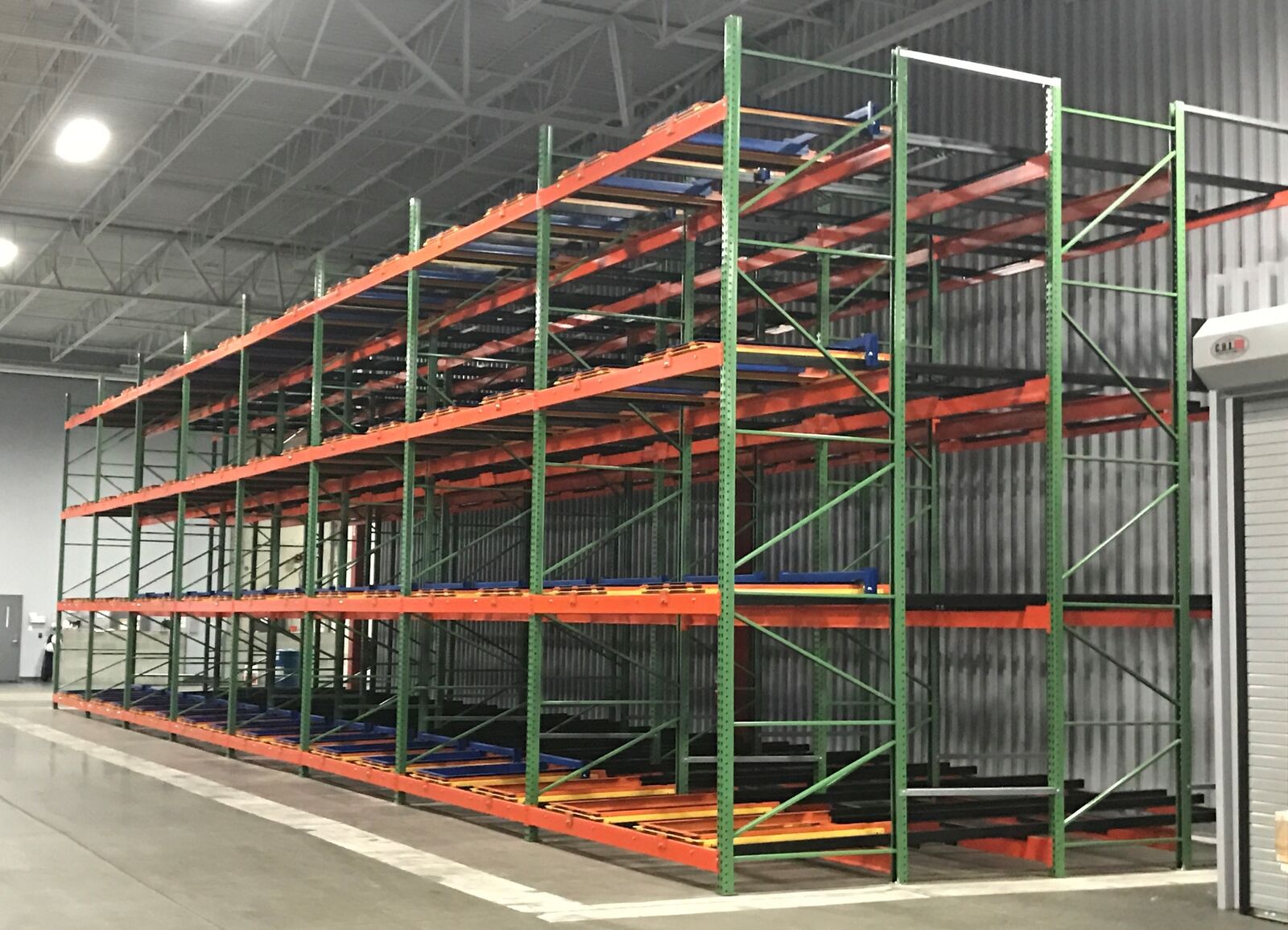
Pushback Rack in McKeesport, PA
Pushback rack in McKeesport can consolidate palletized production reserves where an older industrial footprint leaves limited room for additional aisles. Its value depends on fitting the storage system to the building and inventory together. Columns, usable clear height, forklift approaches, and production routes need to be measured before a pallet-position target becomes a workable arrangement.
Around RIDC Riverplace and PA-148, manufacturing-support operations may need storage beside active work areas rather than in a separate distribution building. That means checking transfer space between production and receiving, not merely the area available along a wall. Our storage service forms a division of Warehouse Equipment & Supplies Co.; supply and installation experience extends back to 1997.
How pushback rack planning starts with the building
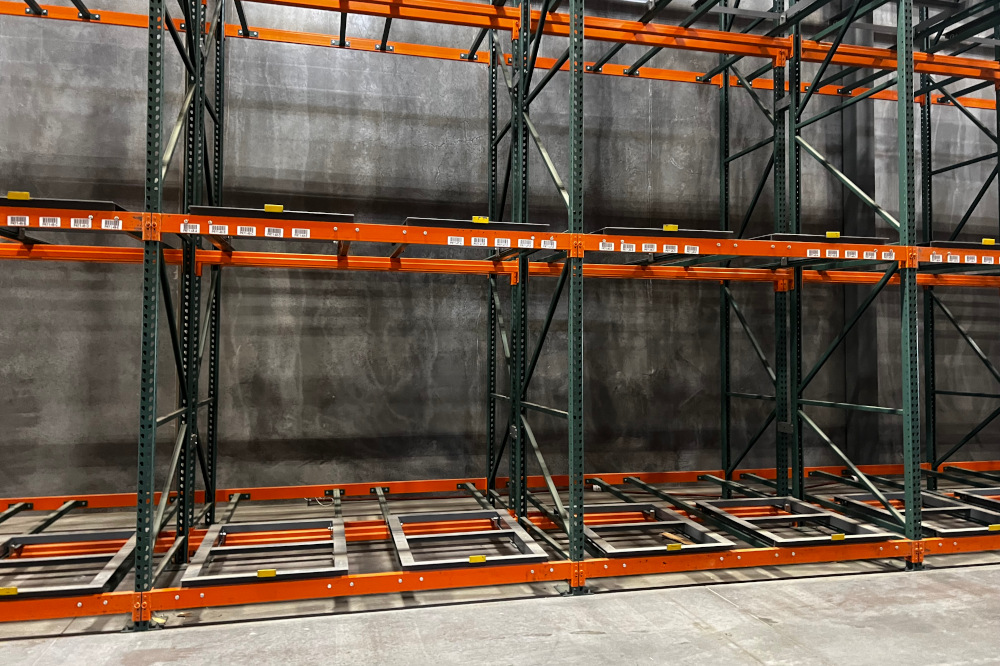
The system uses nested carts on inclined rails, commonly arranged two to six pallets deep. Loading a lane moves earlier pallets rearward, and unloading allows the remaining loads to return toward the front under controlled handling. LIFO retrieval applies within each lane, regardless of how the surrounding production space is organized.
Measure usable space
Map columns, overhead obstructions, doors, and equipment travel paths. Establish actual storage elevations and forklift approach areas before placing deep lanes into the drawing.
Profile production inventory
Separate recurring pallets from irregular work-in-process and short runs. Compare each SKU's normal quantity with proposed lane depth so vacant positions do not dominate the storage plan.
Calculate structural demands
Size beams for their supported loads and frames for the complete bay configuration. Include pallet weights, vertical spacing, lane geometry, and the selected cart system in the evaluation.
Sequence the changeover
Agree on temporary material locations and production access before installation. Experienced crews perform work that we schedule and manage, with separated work areas coordinated around plant activity.
Pushback pallet rack details for constrained footprints
A column can affect more than the number of bays that fit across a wall. It may interrupt the loading approach or create an inaccessible portion of a deep lane. Position the entire operating envelope, including the forklift and pallet, rather than drawing storage rectangles alone.
Pallet compatibility also deserves an early check. Cart contact points must support the pallet underside, and the load must remain stable while moving along the rails. Damaged, irregular, or heavily overhanging pallets should not be assumed suitable because their outside dimensions appear familiar.
A pushback rack conversion requires identification of existing frames and beams before reuse is considered. Review manufacturer information, connection details, condition, and documented capacities against the proposed arrangement. A former selective layout does not automatically have the structural capability or component compatibility for this application.
When push back racking helps production storage
Repeated pallets of the same production input can occupy fewer aisles than a comparable single-deep arrangement. That can preserve travel space between manufacturing and shipping. However, lane vacancies and blocked product access must be included when assessing the actual benefit.
Selective rack offers individual pallet access and is often a better match for varied production requirements. Deep reserve lanes are more appropriate when the next available pallet can satisfy demand. A blended layout allows frequently selected components to remain accessible without assigning the same storage method to every item.
Compared with drive-in rack, the forklift normally remains outside the storage channel. This can be useful in a Riverplace-area building where turning and approach space require careful allocation. It does not eliminate aisle requirements, and the truck still needs sufficient clearance to handle each load squarely.
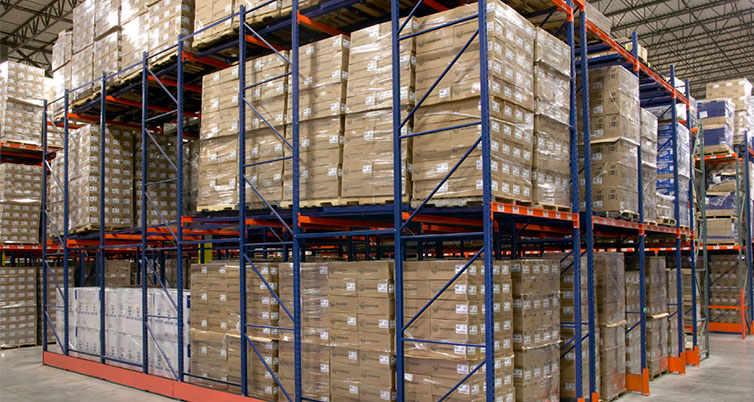
Operations We Rack Around Here
Local industrial areas and travel corridors include Monongahela River, Youghiogheny River, PA-148, RIDC Riverplace.
Review other rack formats for your building constraints.
Warehouse Rack Systems
Storage configurations for pallet handling, long material, and case picking.
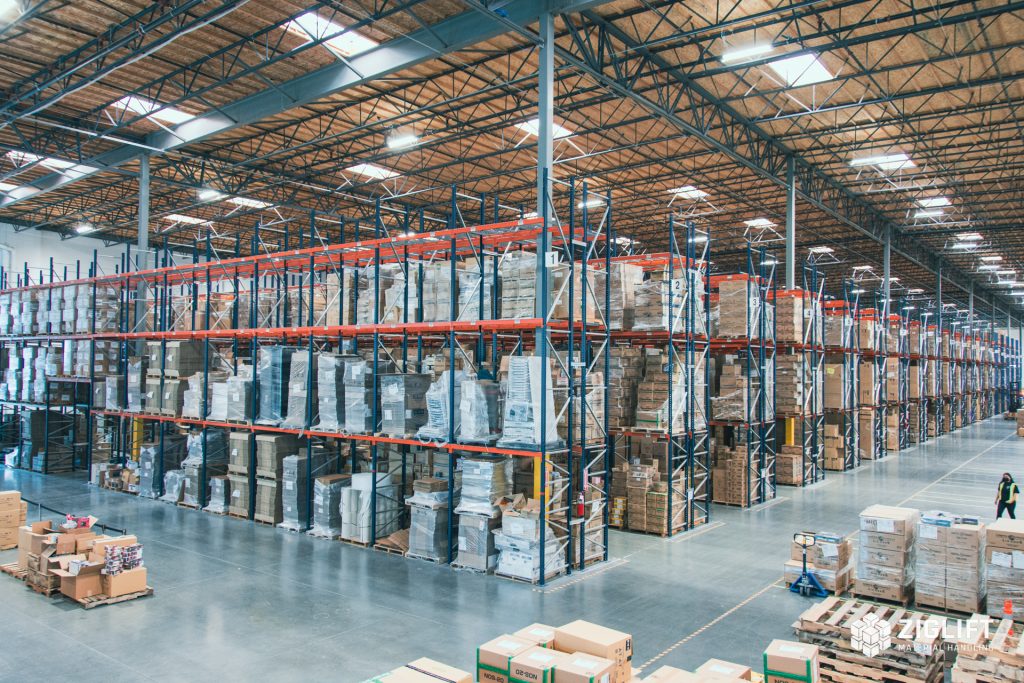


Get a Pushback Rack Quote for Your McKeesport Warehouse
Send the basics and we will follow up with a layout and pricing. Prefer to talk it through? Call (412) 866-1406.
Pittsburgh Pallet Racks
2681 Sidney St.
Suite D
Pittsburgh, PA 15203
(412) 866-1406Monday - Friday: 8:00 AM - 6:00 PM
McKeesport plant-storage planning answers
Other Storage Services in McKeesport
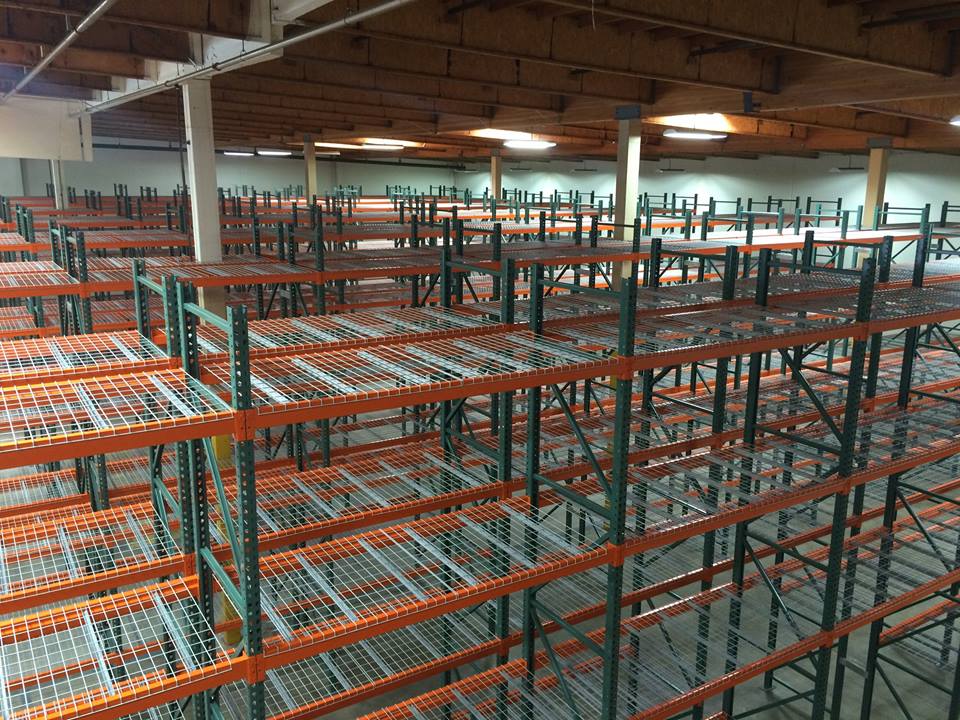
Pallet Rack
Every pallet reachable, every time. The baseline we size everything else against.
View details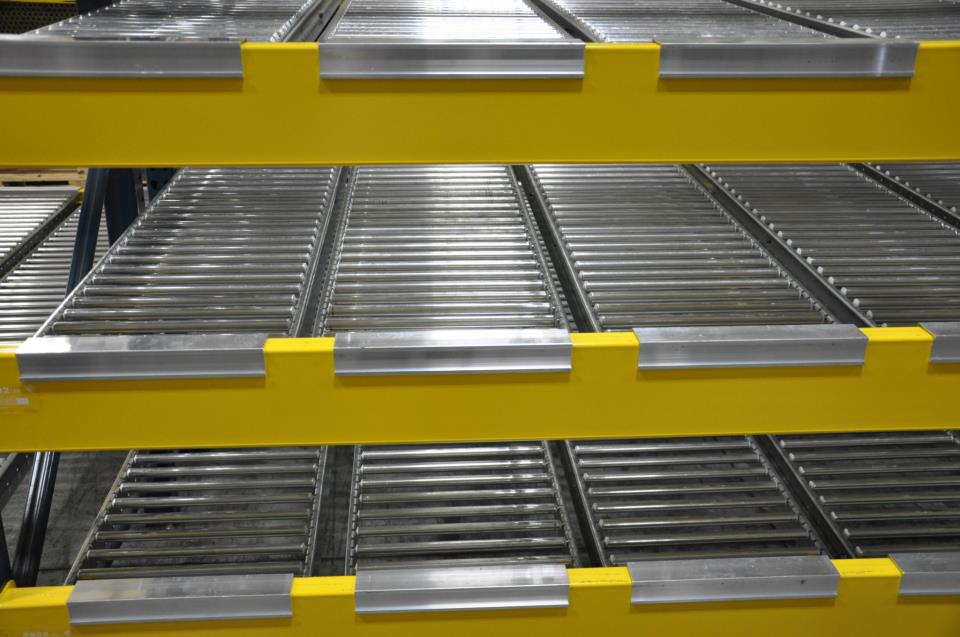
Carton Flow Rack
Cases advance to the picker instead of the picker hunting for cases.
View details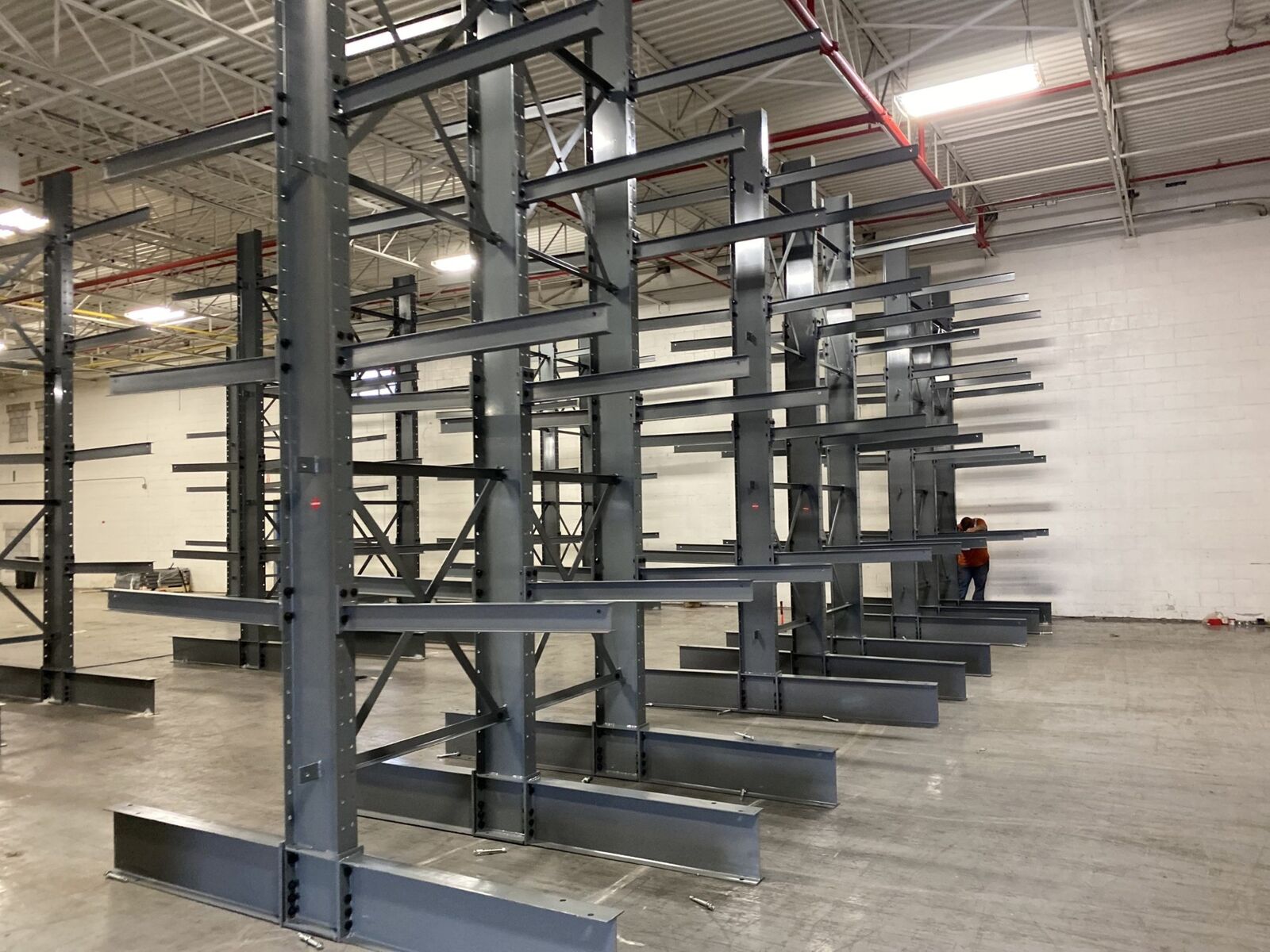
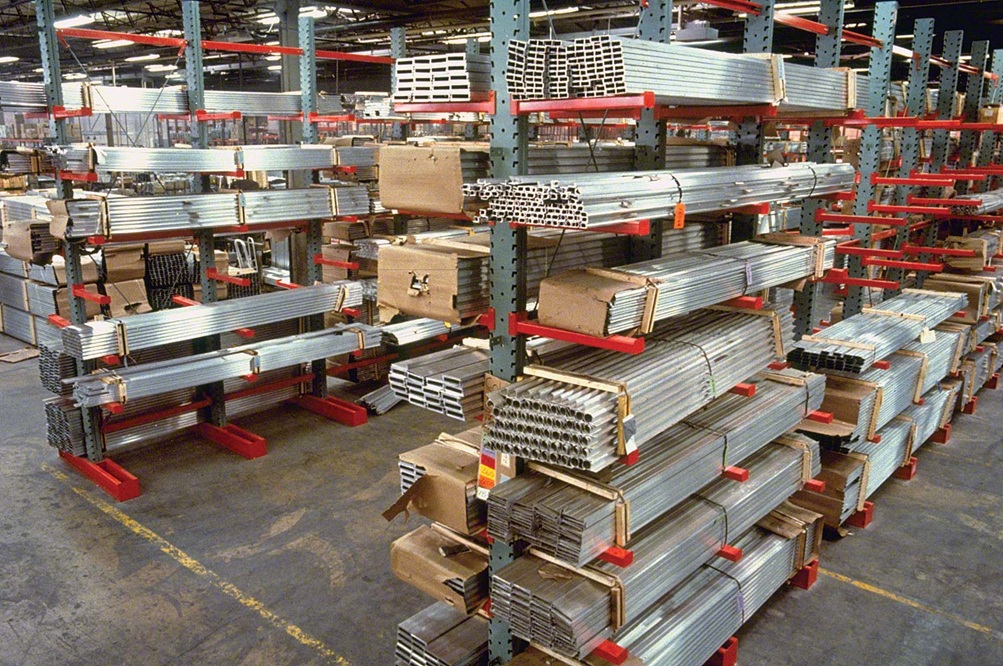
Cantilever Rack
Arms with nothing in front of them, built for lumber, pipe, and anything a pallet can't hold.
View details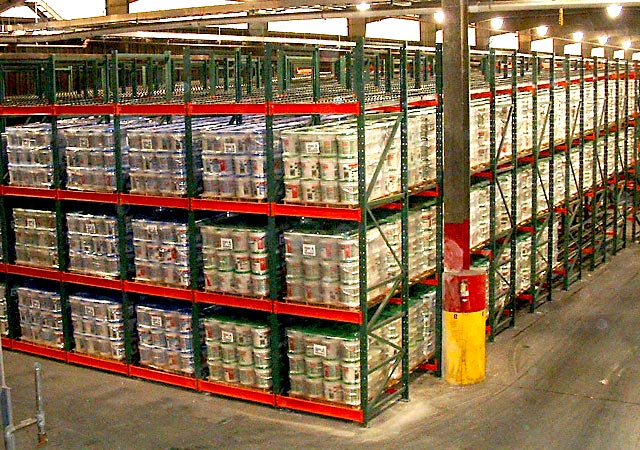
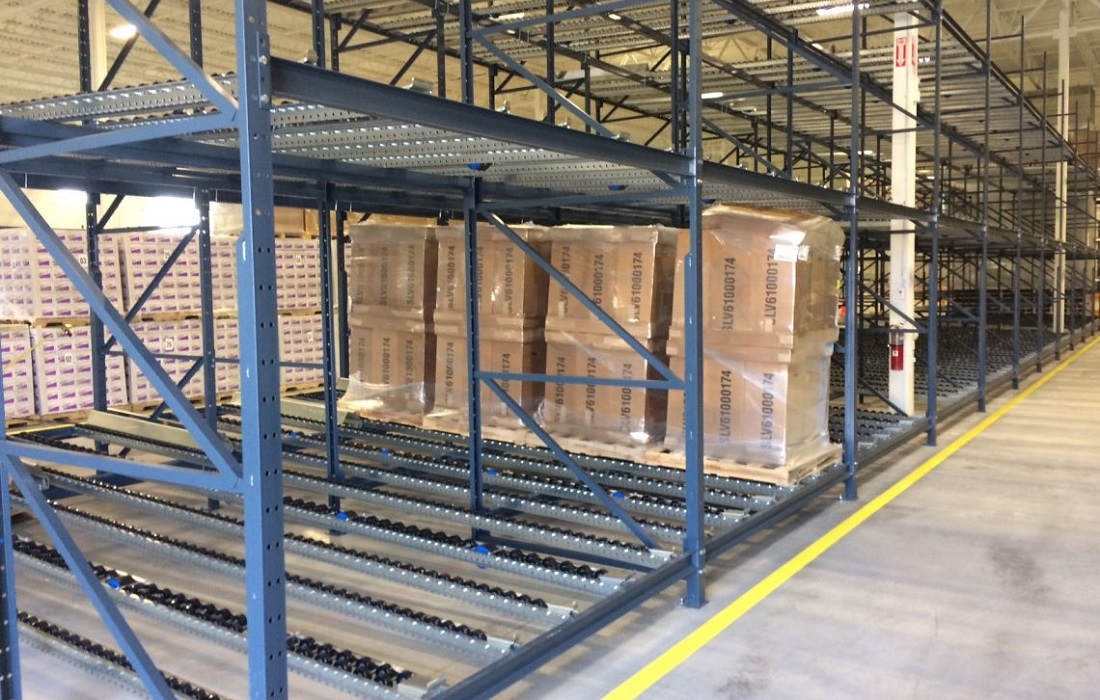
Pallet Flow Rack
Load one side, pick the other, and let gravity enforce first in, first out.
View details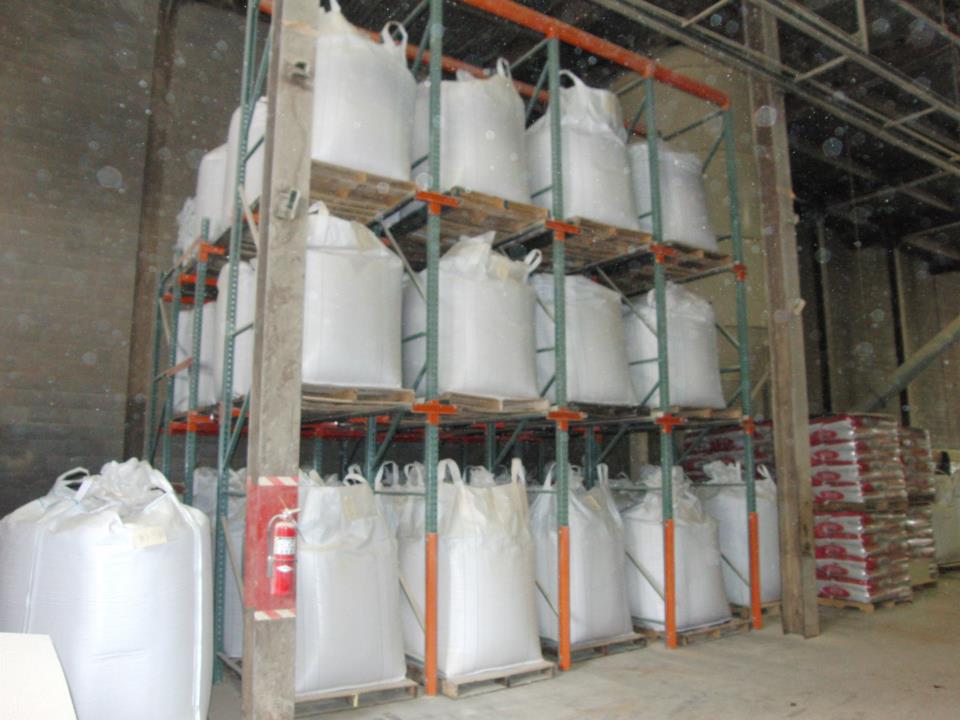
Drive-In Rack
Forklifts enter deep storage lanes, trading individual pallet access for bulk storage capacity.
View detailsWarehouse Relocation
Teardown, component labeling, transport coordination, and reinstallation planned around your move.
View detailsNearby Areas We Also Serve
Our delivery and installation territory covers Greater Pittsburgh and western Pennsylvania, so one team can handle multiple buildings for the same company.
Where We Work
Located in Pittsburgh, we serve the entire Greater Pittsburgh metro with industrial pallet racks and warehouse storage solutions.
Pittsburgh Pallet Racks
Address
2681 Sidney St.
Suite D
Pittsburgh, PA 15203
Phone
(412) 866-1406Business Hours
Monday - Friday: 8:00 AM - 6:00 PM
Saturday: Closed
Sunday: Closed
Need Pushback Rack in McKeesport?
Call (412) 866-1406 or request a quote and we will get a layout started.