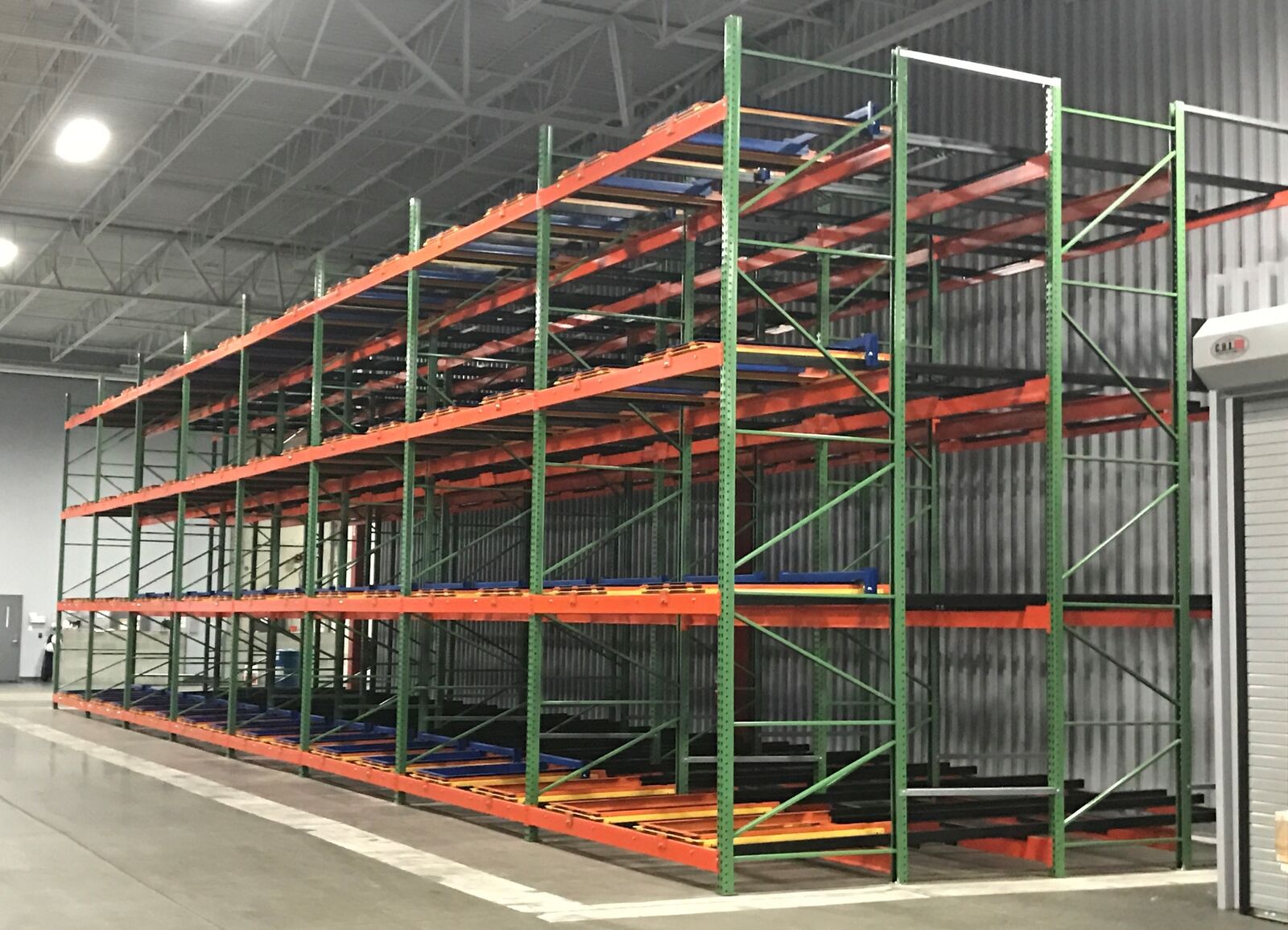
Pushback Rack in West Mifflin, PA
Pushback rack in West Mifflin can organize repeated pallet loads while preserving working space around fabrication, equipment service, and shipping. The strongest candidates are stable, palletized reserves held in several units per SKU. Irregular equipment, individual service components, and production material needing unrestricted access should be assessed separately rather than forced into the same storage pattern.
PA-837 follows the Monongahela industrial corridor, while PA-885 connects inland business locations with their own receiving constraints. Older industrial footprints can vary considerably in usable height and dock arrangement. Since 1997, supply and installation have been part of our work as a division belonging to Warehouse Equipment & Supplies Co.
Pushback rack fit within an industrial footprint
Measure the routes between service work, fabrication, and outbound staging before assigning storage rows. A rack block that fits between walls may still interfere with equipment movement. Dock elevation, floor layout, overhead obstructions, and the forklift's approach determine whether the proposed positions are workable.
Existing frames or beams should enter a pushback rack design only after a compatibility assessment. Record manufacturer details, component dimensions, connection styles, and capacity information. The selected carts and rails need a supporting structure suited to their loads; visual similarity is not sufficient evidence.
Beam sizing addresses the loads carried by the particular bay arrangement, while frame sizing considers accumulated loading and vertical configuration. Include maximum pallet weights and storage elevations in that review. Forklift capacity at the required height must also support the actual load, not just its nominal weight.
How push back racking stores repeated pallets
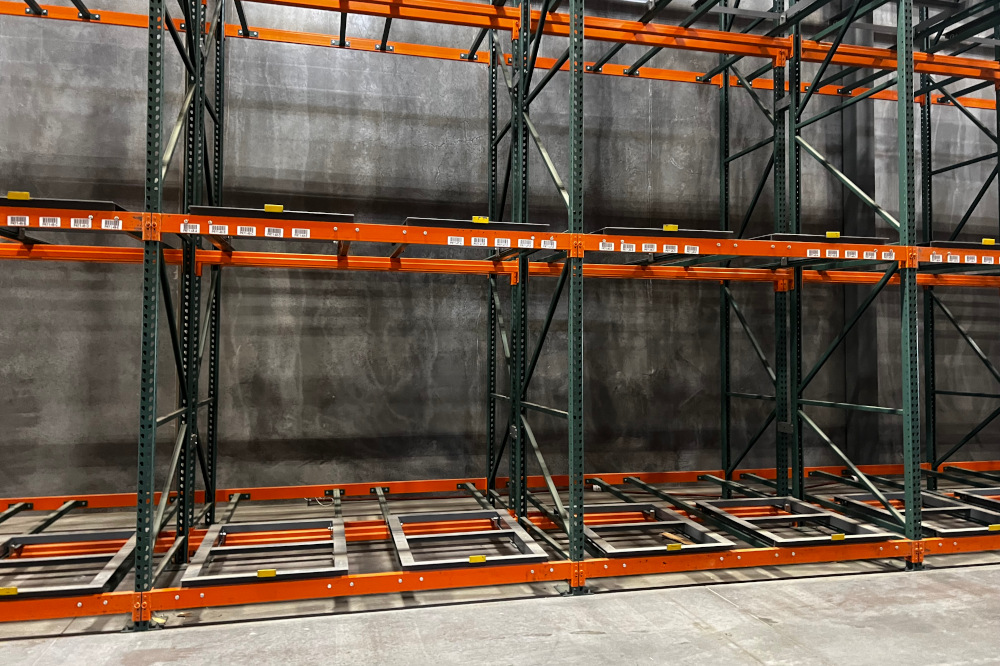
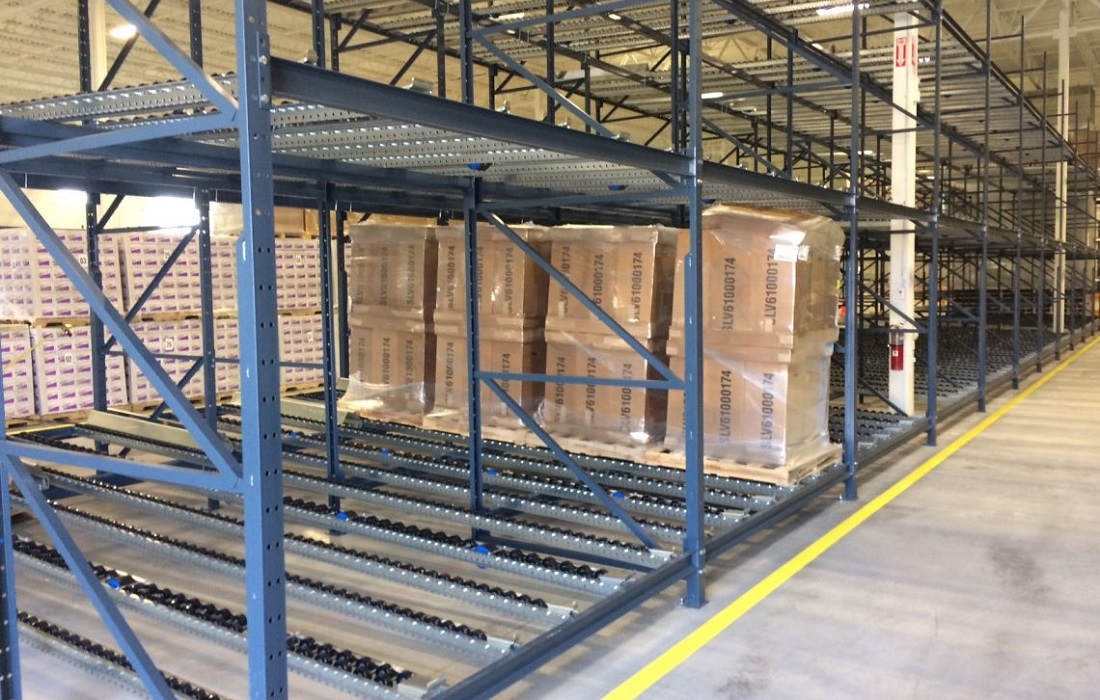
Nested carts move on inclined rails in lanes typically configured two to six pallets deep. Loading places the newest pallet at the front while pushing earlier loads backward. During controlled retrieval, the remaining carts advance toward the aisle, giving each lane a last-in, first-out sequence.
Identify suitable reserve loads
List pallets per SKU and distinguish steady reserves from one-time receipts. Exclude loads needing individual access until another storage approach has been compared against their handling requirements.
Select practical lane depths
Use normal inventory levels and withdrawal patterns to choose depth. A six-deep lane does not deliver six useful positions when its assigned product usually occupies only two of them.
Confirm pallet engagement
Check underside support, dimensions, concentrated loading, and overhang against the cart design. Fabricated parts must remain stable as pallets move; a standard outside footprint does not settle that question.
Protect ongoing movement
Schedule installation around agreed service and shipping priorities. We manage experienced installation crews through defined work zones, temporary staging, and access arrangements established before storage areas change.
Where pushback pallet rack improves reserve organization
Consolidating repeated loads behind one aisle face can reduce the number of aisles devoted to reserve inventory. That may preserve room for equipment-supply order staging or fabrication support. Count the benefit only after allowing for lane vacancies and the circulation needed outside the rack.
Selective rack is better suited to inventory requiring independent pallet access. Drive-in storage also concentrates pallets, but the truck enters its storage channels. With moving carts, the forklift normally remains outside the lane, which creates a different operating pattern even when both layouts pursue greater density.
For a PA-885 equipment-supply facility, combining direct-access parts storage with deeper reserve lanes can separate service demand from replenishment. A PA-837 operation may have a different building shape or receiving approach. Use those measured differences, not a shared industrial label, to choose the arrangement.
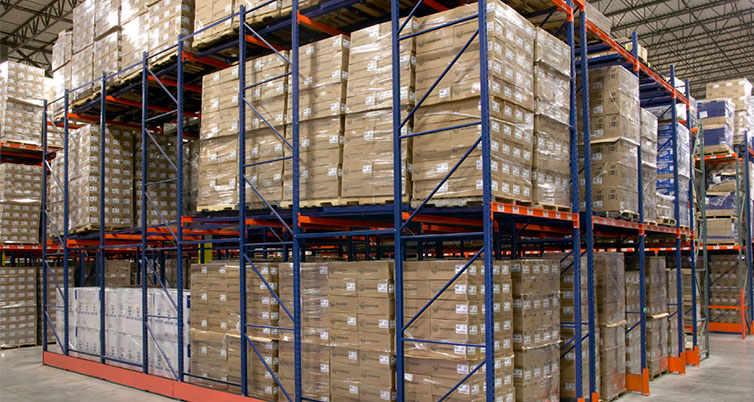
Operations We Rack Around Here
Local industrial areas and travel corridors include PA-837, PA-885, Monongahela River, Allegheny County Airport.
Examine the tradeoffs among these pallet-storage choices.
Warehouse Rack Systems
Storage configurations for pallet handling, long material, and case picking.


Get a Pushback Rack Quote for Your West Mifflin Warehouse
Send the basics and we will follow up with a layout and pricing. Prefer to talk it through? Call (412) 866-1406.
Pittsburgh Pallet Racks
2681 Sidney St.
Suite D
Pittsburgh, PA 15203
(412) 866-1406Monday - Friday: 8:00 AM - 6:00 PM
West Mifflin industrial-storage questions
Other Storage Services in West Mifflin
Pallet Rack
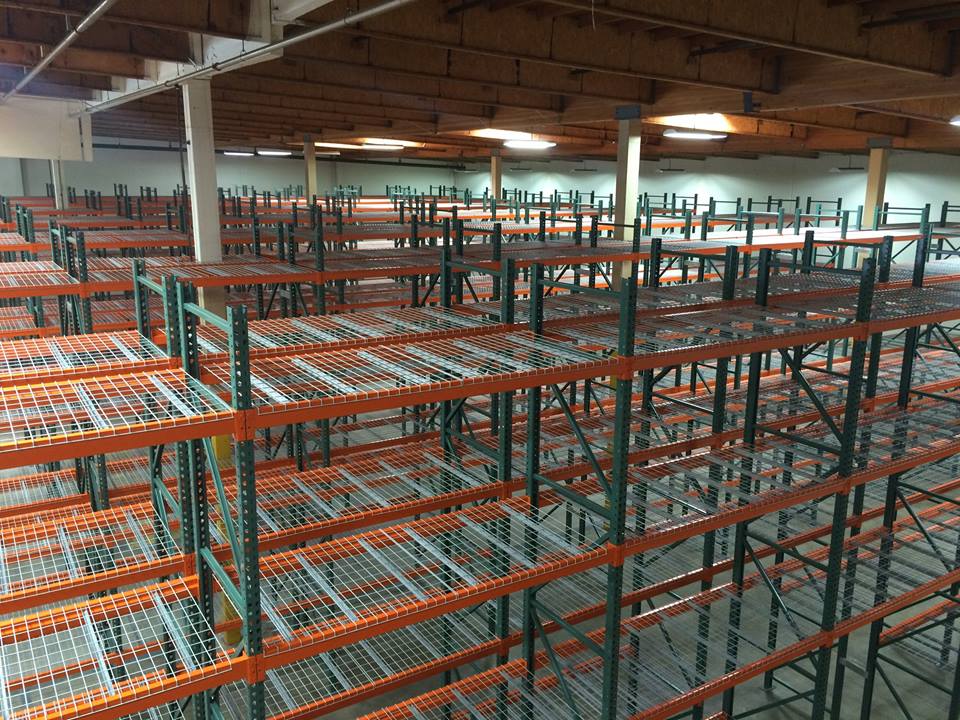
Every pallet reachable, every time. The baseline we size everything else against.
View details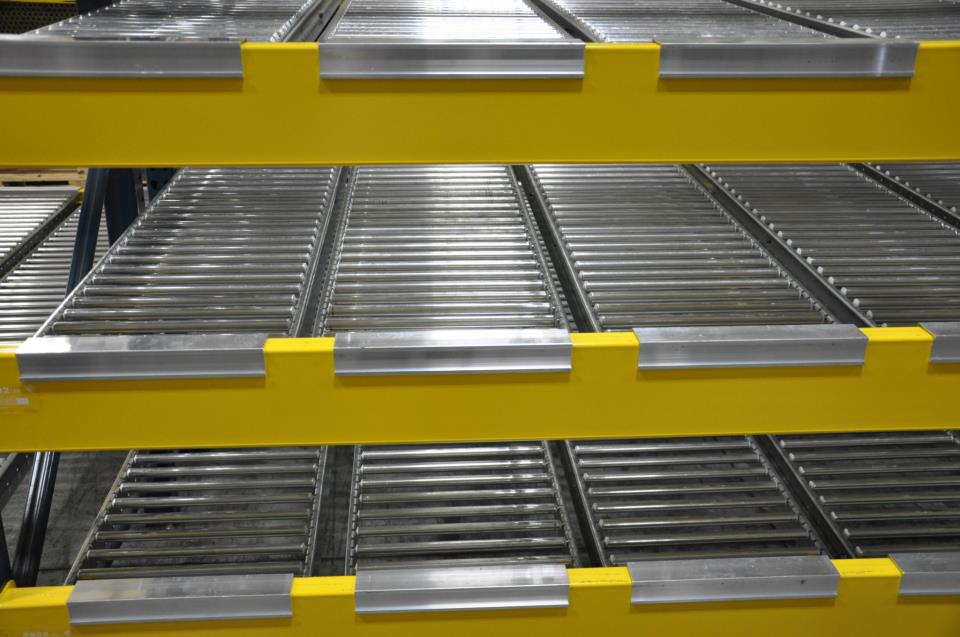
Carton Flow Rack
Cases advance to the picker instead of the picker hunting for cases.
View details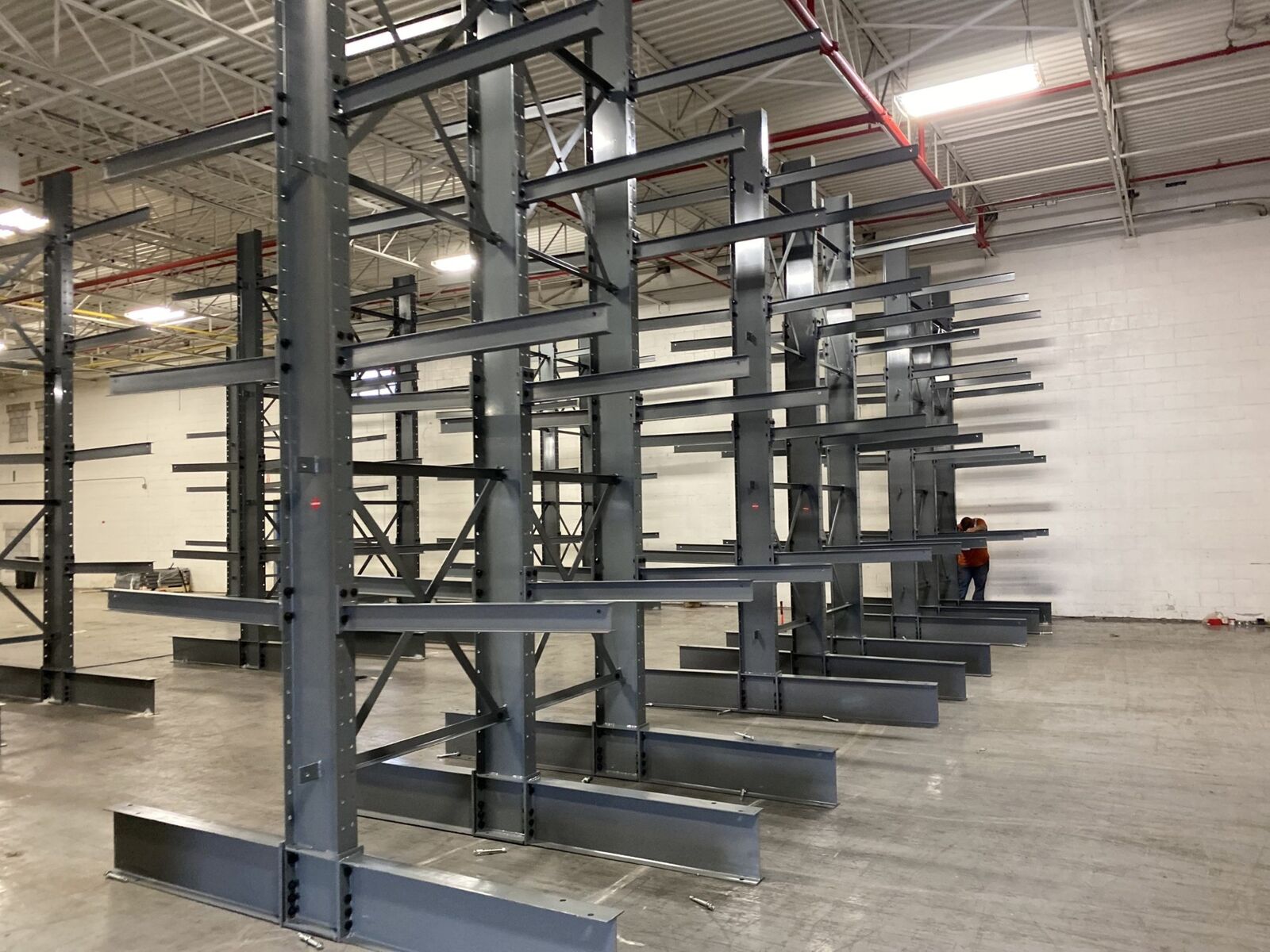
Cantilever Rack
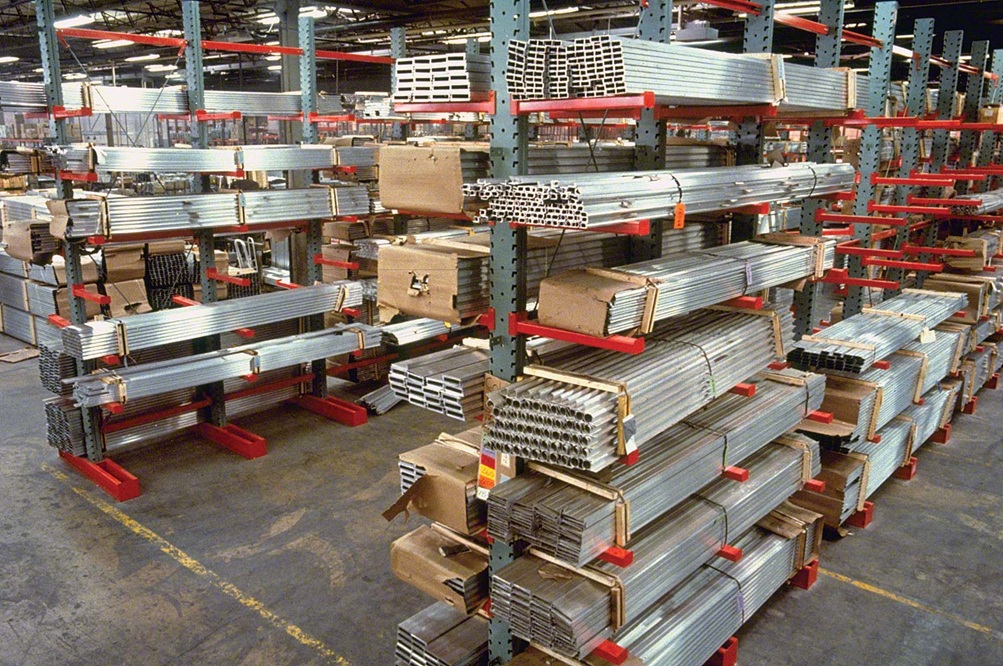
Arms with nothing in front of them, built for lumber, pipe, and anything a pallet can't hold.
View details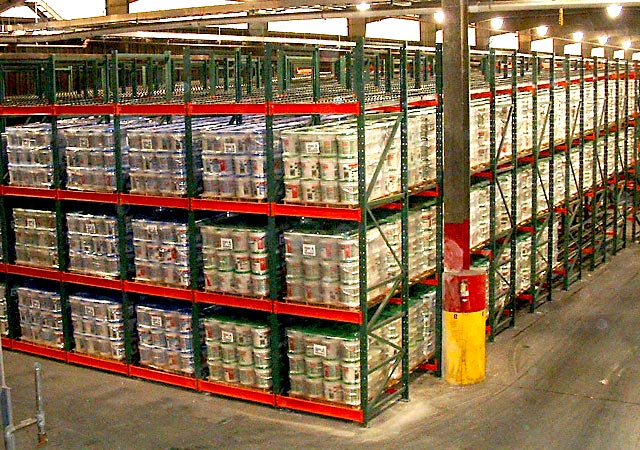
Pallet Flow Rack
Load one side, pick the other, and let gravity enforce first in, first out.
View details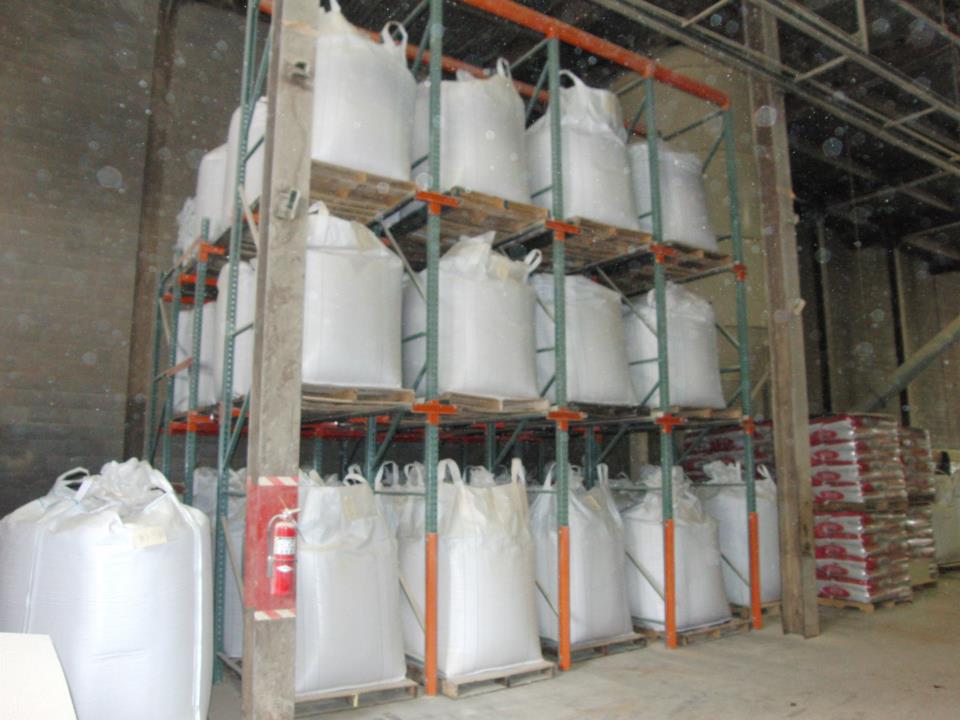
Drive-In Rack
Forklifts enter deep storage lanes, trading individual pallet access for bulk storage capacity.
View detailsWarehouse Relocation
Teardown, component labeling, transport coordination, and reinstallation planned around your move.
View detailsNearby Areas We Also Serve
Our delivery and installation territory covers Greater Pittsburgh and western Pennsylvania, so one team can handle multiple buildings for the same company.
Where We Work
Located in Pittsburgh, we serve the entire Greater Pittsburgh metro with industrial pallet racks and warehouse storage solutions.
Pittsburgh Pallet Racks
Address
2681 Sidney St.
Suite D
Pittsburgh, PA 15203
Phone
(412) 866-1406Business Hours
Monday - Friday: 8:00 AM - 6:00 PM
Saturday: Closed
Sunday: Closed
Need Pushback Rack in West Mifflin?
Call (412) 866-1406 or request a quote and we will get a layout started.