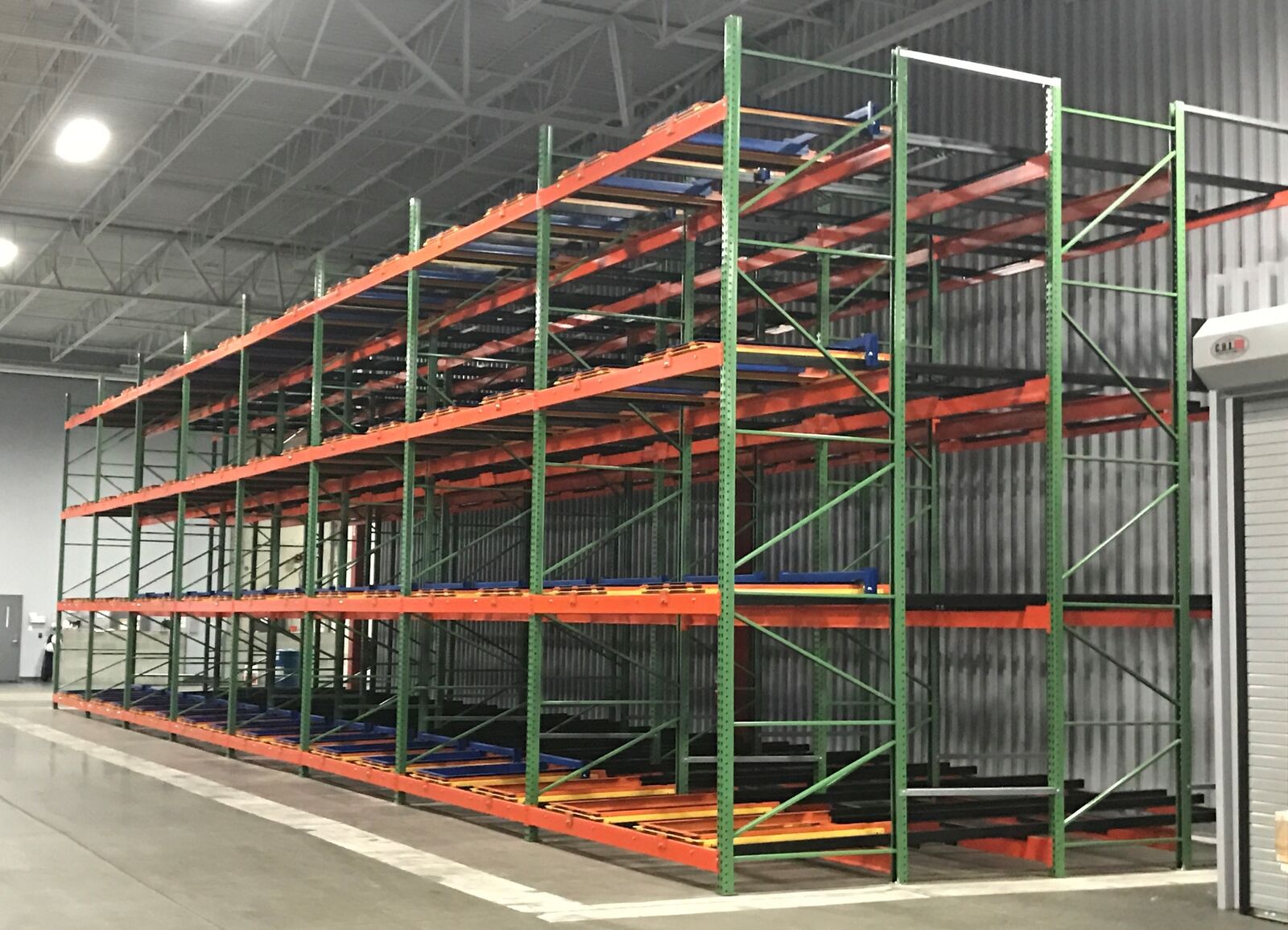
Pushback Rack in Greensburg, PA
Pushback rack in Greensburg gives manufacturing suppliers and regional wholesalers a way to consolidate pallet reserves without turning every storage row into a separate forklift aisle. The arrangement suits repeat loads that can share a lane, while smaller service orders remain accessible elsewhere. Start with inventory quantities and picking habits rather than assuming that the deepest configuration will provide the best result.
Along US-30 and US-119, receiving activity can overlap with local parts collection and outbound wholesale orders. A useful plan protects those movements before assigning additional storage positions. Warehouse Equipment & Supplies Co. began supplying and installing storage equipment in 1997; our business serves this market as its division.
Why pushback rack suits repeat wholesale inventory
Deep lanes reduce the number of access aisles needed for a given group of reserve pallets. That can leave more working space for order assembly, but only when enough matching inventory exists to occupy each lane. Several partially filled lanes may erase the expected storage benefit.
For shallow inventories spanning many products, selective bays give operators access to each load without clearing another pallet first. Pushback storage exchanges that individual access for greater concentration. A combined layout can keep frequent local picks in selective bays and repeated reserve loads behind a shared loading face.
For businesses serving Westmoreland County industrial parks, regional replenishment may arrive in larger quantities than daily orders require. Separate those replenishment cycles from short local picks. Connections through PA-66 and New Stanton toward I-70 and the Pennsylvania Turnpike inform receiving plans, not the rack capacity calculation.
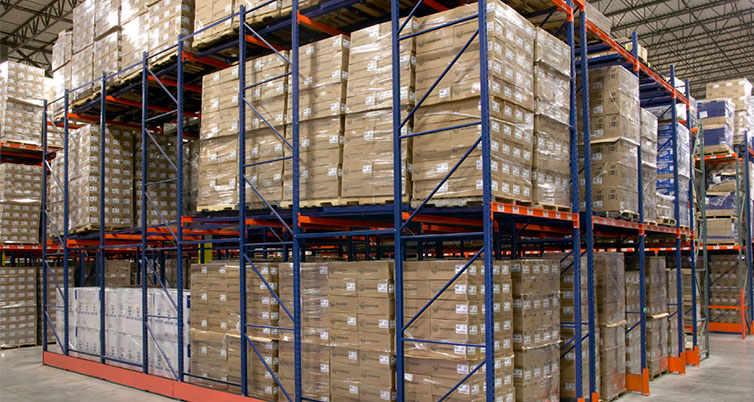
Operations We Rack Around Here
Local industrial areas and travel corridors include US-30, US-119, PA-66, Westmoreland County.
How pushback pallet rack handles each load
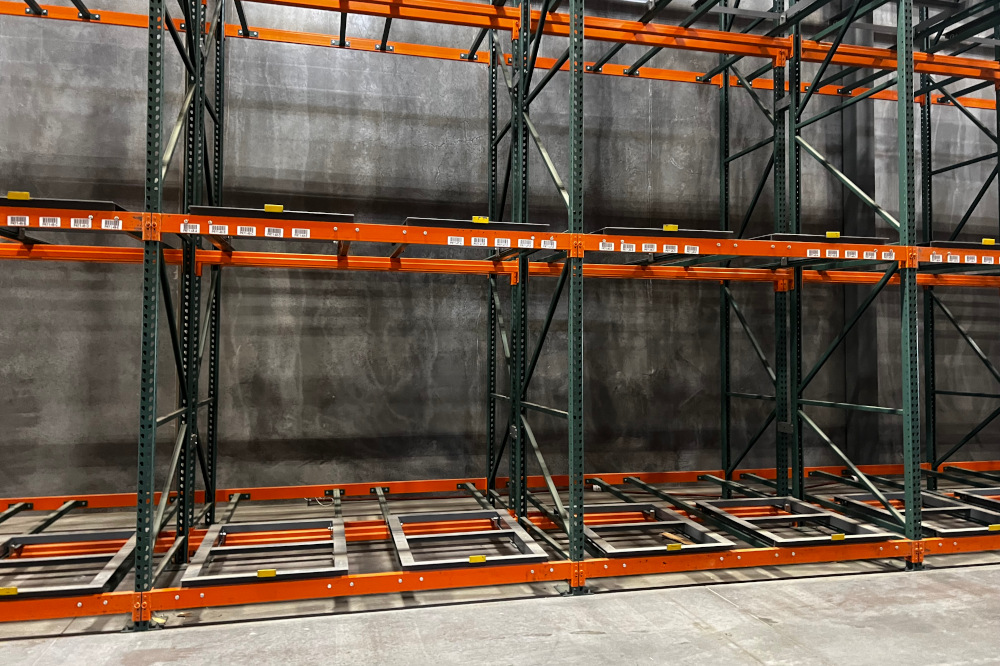
Pushback rack uses sloping rails beneath nested carts, commonly accommodating a lane depth of two through six pallets. Loading pushes earlier pallets rearward; controlled unloading allows the remaining carts to advance toward the aisle. Each lane follows last-in, first-out, or LIFO, handling.
Group inventory by lane
Record pallets per SKU, replenishment quantities, and the lowest normal balance. Choose depth from sustained inventory rather than an occasional peak, and keep incompatible products in separate lanes.
Check pallet behavior
Document pallet dimensions, underside construction, load overhang, and weight distribution. The pallet must engage its cart correctly through loading and travel; nominal footprint alone does not establish suitability.
Size the supporting structure
Calculate beam demands from the supported lane arrangement and pallet weights. Evaluate frame capacity using bay loading, beam elevations, and system geometry rather than applying a selective-rack label unchanged.
Plan the working sequence
Confirm forklift capacity at the required lift height and allow room for a square approach. Installation is scheduled and managed with experienced crews around agreed receiving and dispatch priorities.
Push back racking details worth checking early
Unlike drive-in storage, this system normally keeps the forklift outside the storage lane. The operator loads and retrieves from the aisle face instead of traveling between uprights. That distinction changes both equipment movement and how the available building depth can be assigned.
Existing rack components require a documented compatibility review. Upright appearance or a familiar connector pattern does not establish that frames, beams, rails, and carts can work together. Identify manufacturers, component specifications, and load information before deciding whether any structure can remain.
Compare layouts using occupied positions, not just theoretical pallet counts. Include staging space, lane vacancies, reserve-to-pick replenishment, and access to receiving doors. A shallower arrangement can outperform a deeper one when SKU balances fluctuate and lanes frequently empty at different rates.
Compare these storage approaches before choosing lane depth.
Warehouse Rack Systems
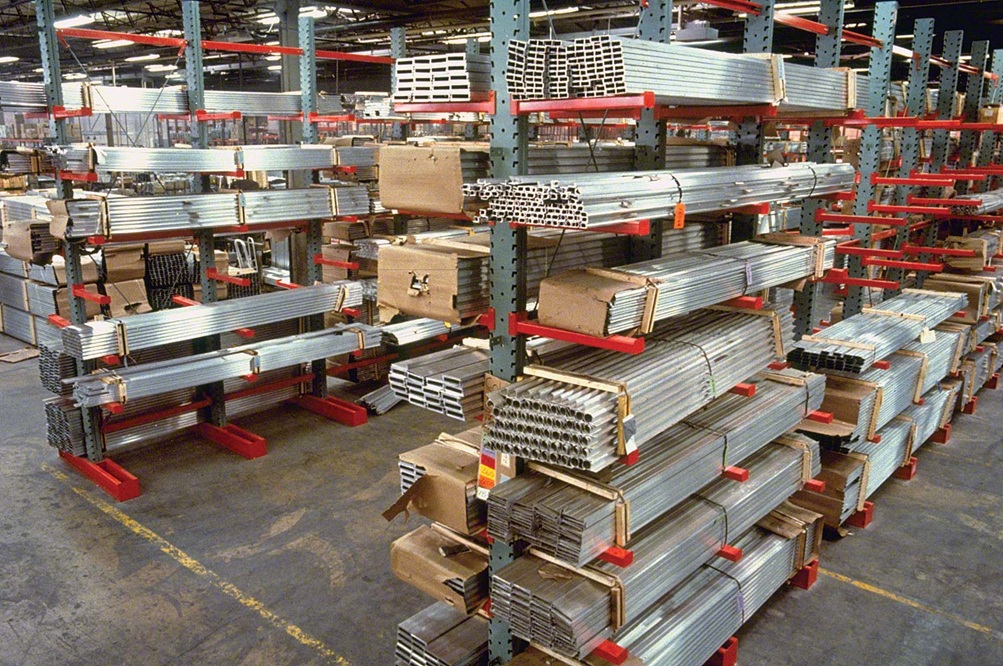
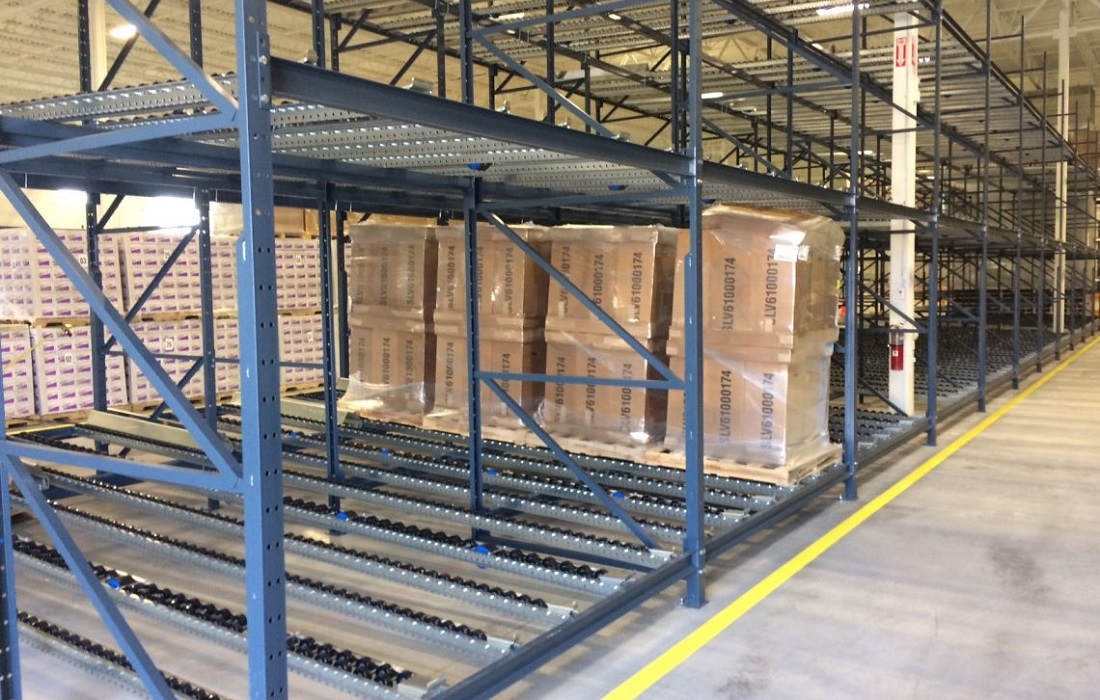
Storage configurations for pallet handling, long material, and case picking.


Get a Pushback Rack Quote for Your Greensburg Warehouse
Send the basics and we will follow up with a layout and pricing. Prefer to talk it through? Call (412) 866-1406.
Pittsburgh Pallet Racks
2681 Sidney St.
Suite D
Pittsburgh, PA 15203
(412) 866-1406Monday - Friday: 8:00 AM - 6:00 PM
Greensburg reserve-storage questions
Other Storage Services in Greensburg
Pallet Rack
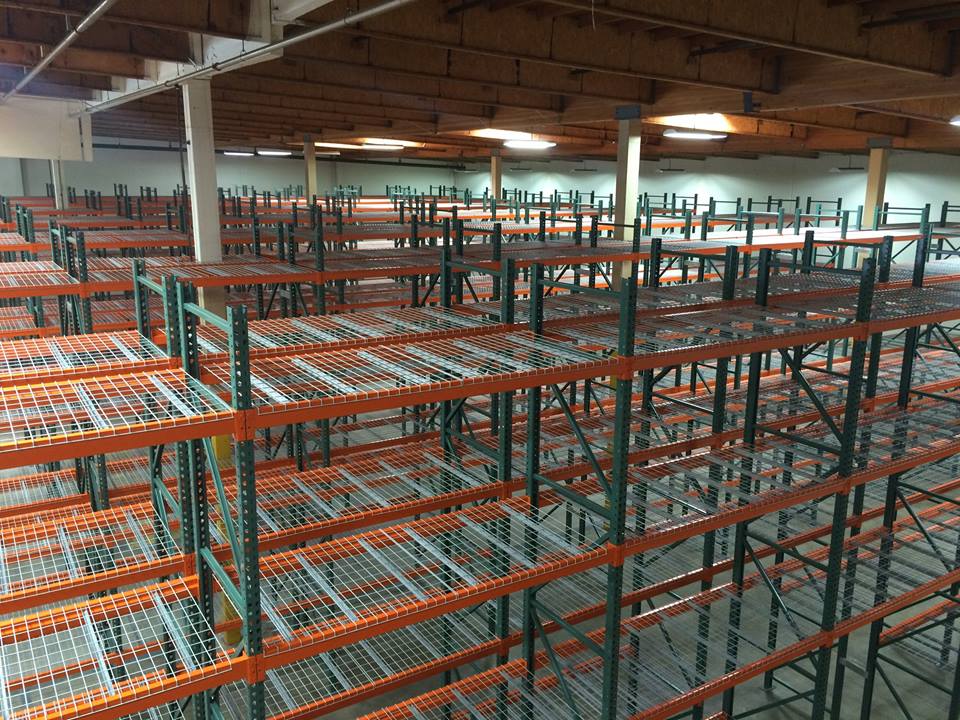
Every pallet reachable, every time. The baseline we size everything else against.
View details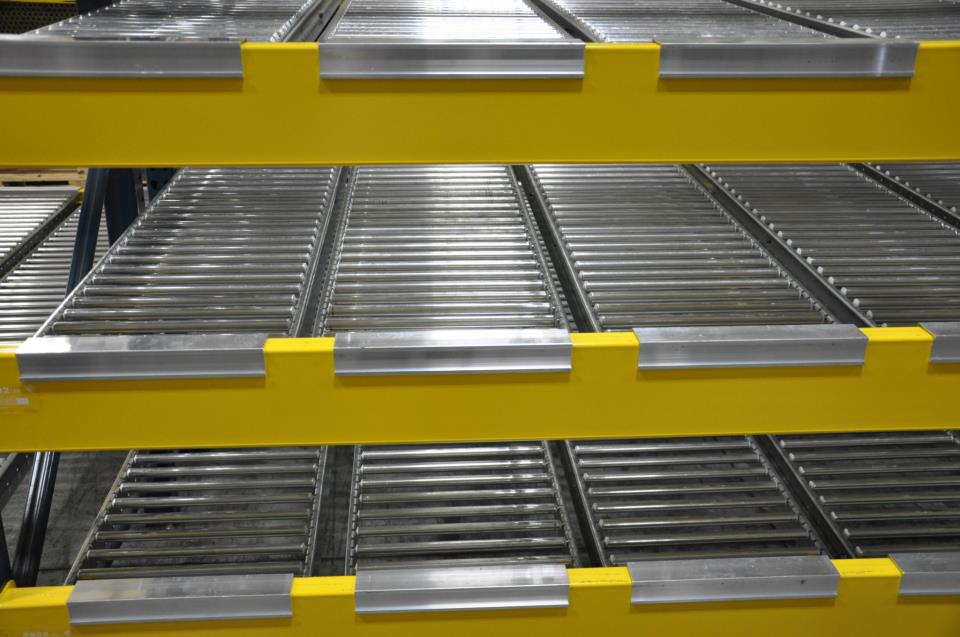
Carton Flow Rack
Cases advance to the picker instead of the picker hunting for cases.
View details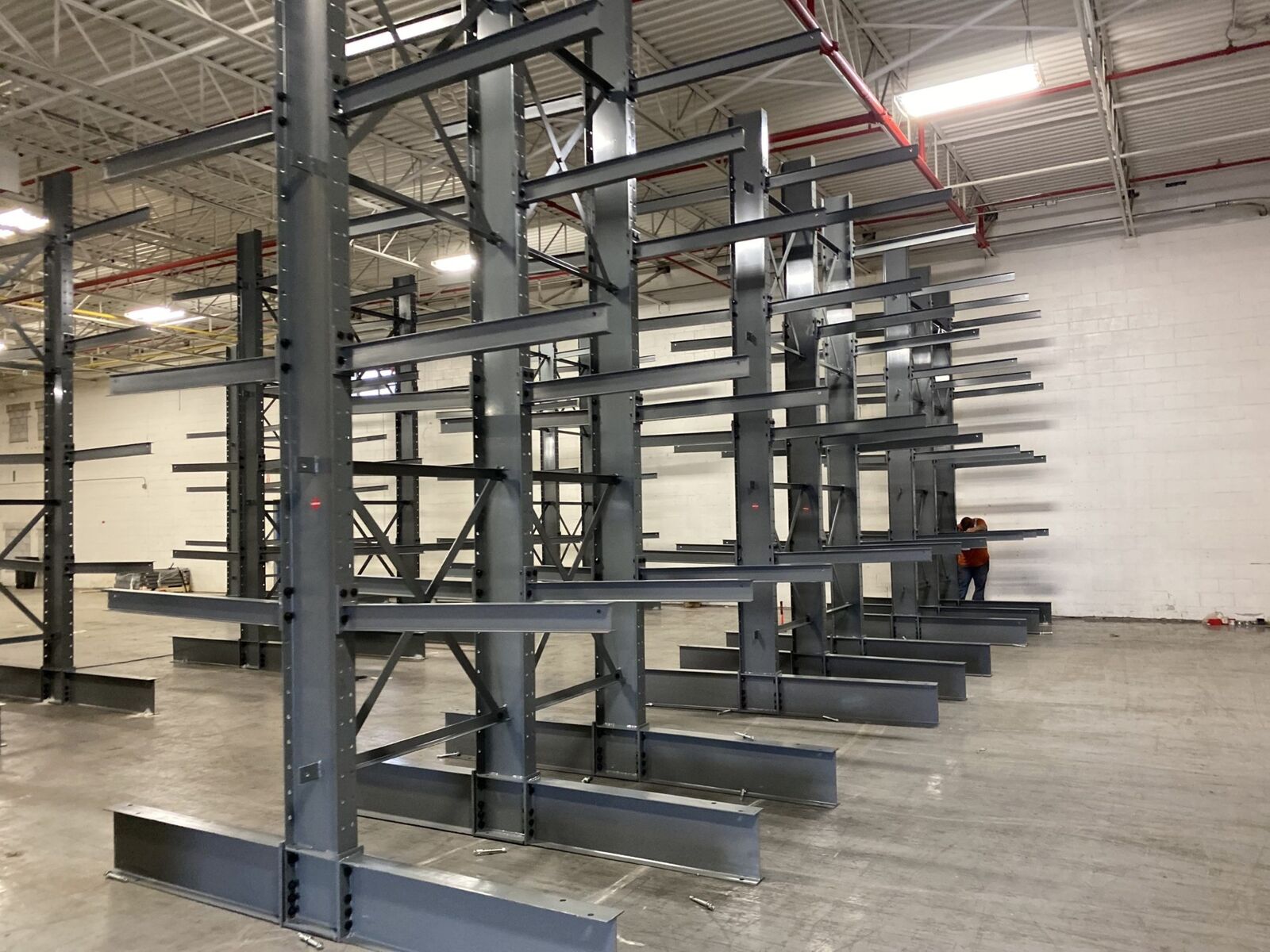
Cantilever Rack
Arms with nothing in front of them, built for lumber, pipe, and anything a pallet can't hold.
View details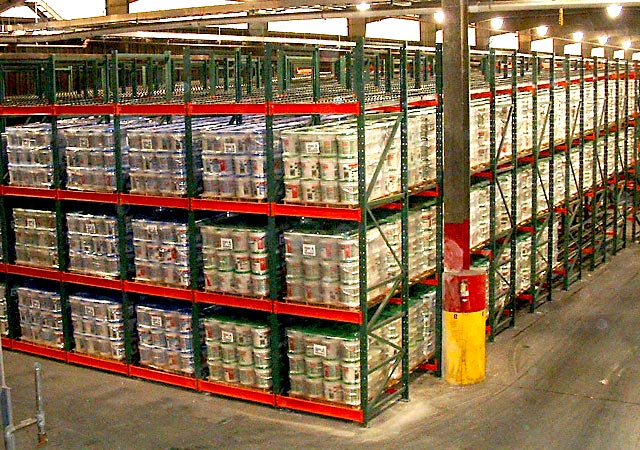
Pallet Flow Rack
Load one side, pick the other, and let gravity enforce first in, first out.
View details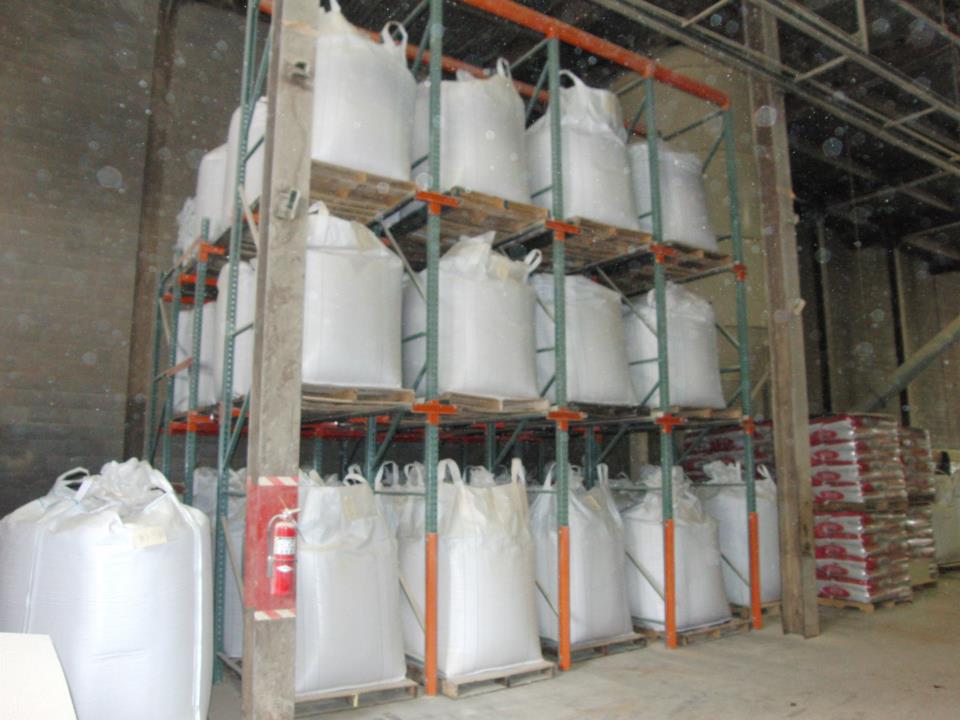
Drive-In Rack
Forklifts enter deep storage lanes, trading individual pallet access for bulk storage capacity.
View detailsWarehouse Relocation
Teardown, component labeling, transport coordination, and reinstallation planned around your move.
View detailsNearby Areas We Also Serve
Our delivery and installation territory covers Greater Pittsburgh and western Pennsylvania, so one team can handle multiple buildings for the same company.
Where We Work
Located in Pittsburgh, we serve the entire Greater Pittsburgh metro with industrial pallet racks and warehouse storage solutions.
Pittsburgh Pallet Racks
Address
2681 Sidney St.
Suite D
Pittsburgh, PA 15203
Phone
(412) 866-1406Business Hours
Monday - Friday: 8:00 AM - 6:00 PM
Saturday: Closed
Sunday: Closed
Need Pushback Rack in Greensburg?
Call (412) 866-1406 or request a quote and we will get a layout started.