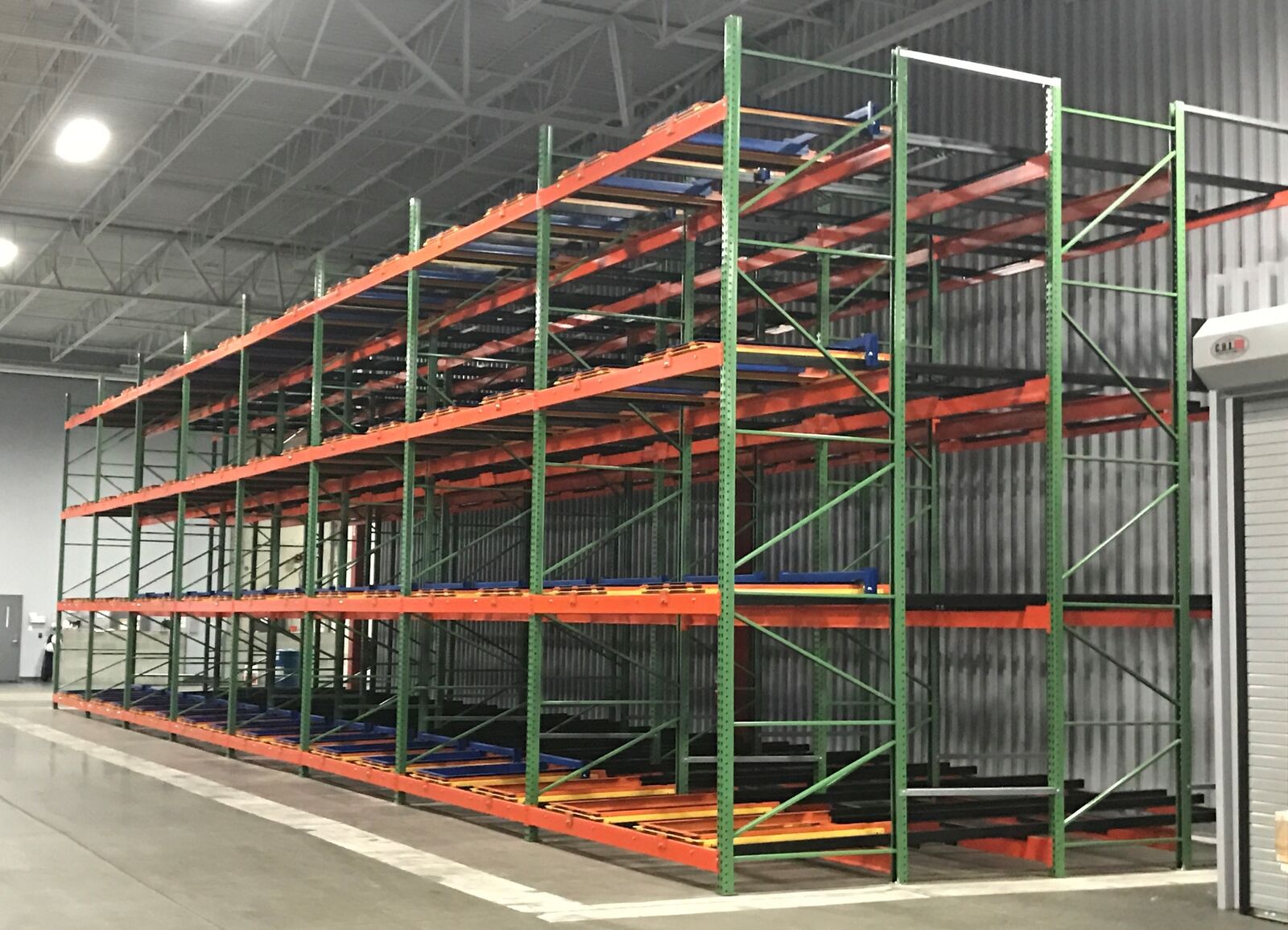
Pushback Rack in Coraopolis, PA
Pushback rack in Coraopolis can give reserve pallets a defined home while short-cycle freight stays close to dispatch. Freight-support and equipment-parts operations often handle both categories through the same receiving area, so the storage decision should begin by identifying which loads remain onsite and which leave during the current handling cycle.
PA-51 links the Ohio River corridor with nearby I-79 connections and the airport corridor. Inside the building, those routes translate into a practical question: can incoming freight reach its assigned position without crossing pallets already waiting for outbound movement? A deeper reserve block should support that separation, not consume it.
Planning pushback rack around freight movement
We map the difference between transit freight, active picking inventory, and reserve stock before drawing storage lanes. This prevents a high-density layout from absorbing the floor space needed for inspection, sorting, and dispatch.
Trace each handling cycle
List where pallets unload, wait, enter storage, and return for shipment. Flag loads that leave quickly so they are not assigned to reserve lanes merely because space appears available.
Calculate depth by product
Use actual pallets per SKU and replenishment quantities to choose between two- through six-deep lanes. Account for inventory drawdown, when partially occupied lanes may reduce the benefit of extra depth.
Verify pallets and trucks
Measure underside construction, load dimensions, weight, and stability. Confirm forklift capacity at storage height, operating clearances, and suitability for the supplier's prescribed loading and controlled unloading procedures.
Prepare installation phases
We manage and schedule experienced installation crews around agreed work areas. Your team identifies inventory relocation and receiving needs so the sequence accounts for the operation's transfer and dispatch routes.
Why pushback pallet rack separates reserve from transit
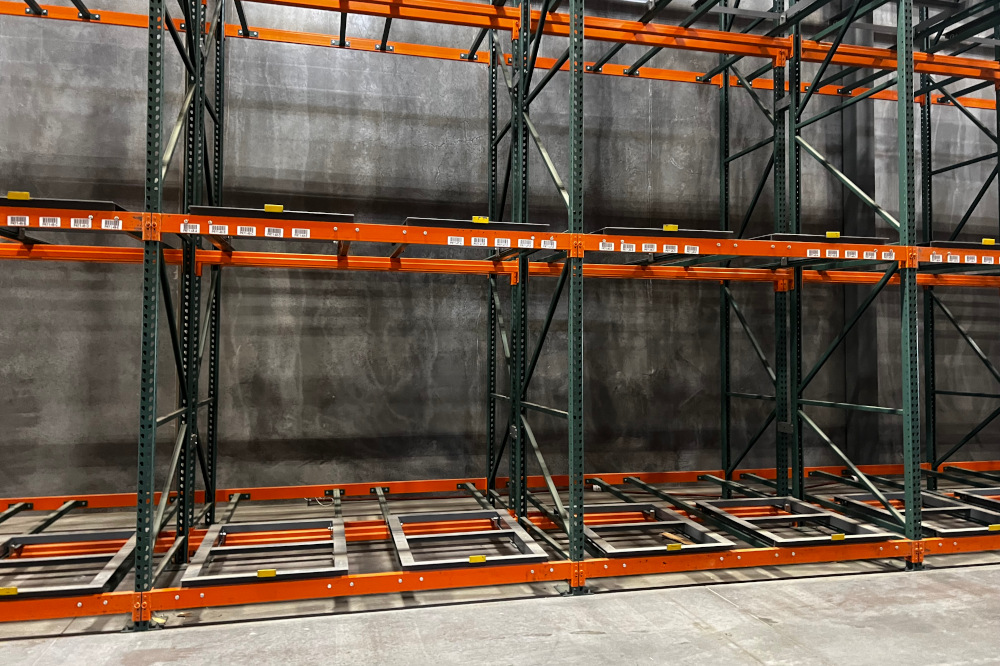
A pushback rack lane uses nested carts on inclined rails. As another pallet enters, occupied carts move backward; during retrieval, the remaining loads move forward under controlled handling. Forklifts work from the aisle face rather than traveling into the storage lane, which distinguishes the arrangement from drive-in rack.
The storage sequence is LIFO, or last in, first out. That makes repeated reserve products a stronger candidate than freight needing retrieval by a specific receipt, customer allocation, or expiration date. Keep each lane assigned to one SKU wherever possible, with lane identification that operators can read from the approach.
Fewer aisles can increase storage density compared with selective rack, but density alone is not the deciding measure. Selective positions remain useful for varied equipment parts and individual pallet access. Combining the two methods can preserve access for irregular orders while consolidating products received in larger batches.
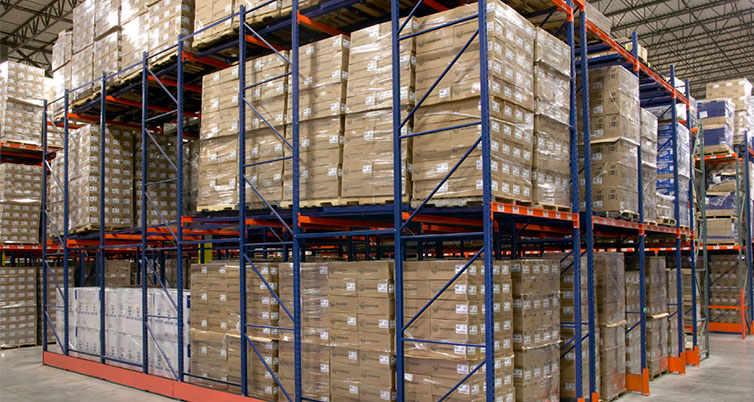
Operations We Rack Around Here
Local industrial areas and travel corridors include PA-51, Ohio River, I-79, airport corridor.
Pushback rack structure and expansion checks
Beam and frame sizing starts with the loaded system rather than pallet weight in isolation. Cart assemblies, rail geometry, lane depth, storage elevations, and connection forces all affect the design. Available height also needs to accommodate load clearance and the vertical space occupied by the inclined assembly.
An expansion beside existing rack may be possible without making the two systems structurally interchangeable. We examine component identification, dimensions, condition, and available capacity documentation before recommending attachments or reuse. Unknown uprights should not receive a new cart arrangement simply because their beam slots appear familiar.
We supply and install storage equipment as a division of Warehouse Equipment & Supplies Co., with that service dating to 1997. For a Coraopolis project, our recommendations connect the rack specification to the separation of reserve storage, freight handling, and outbound preparation.
Compare storage choices for freight support and parts inventory:
Warehouse Rack Systems
Storage configurations for pallet handling, long material, and case picking.
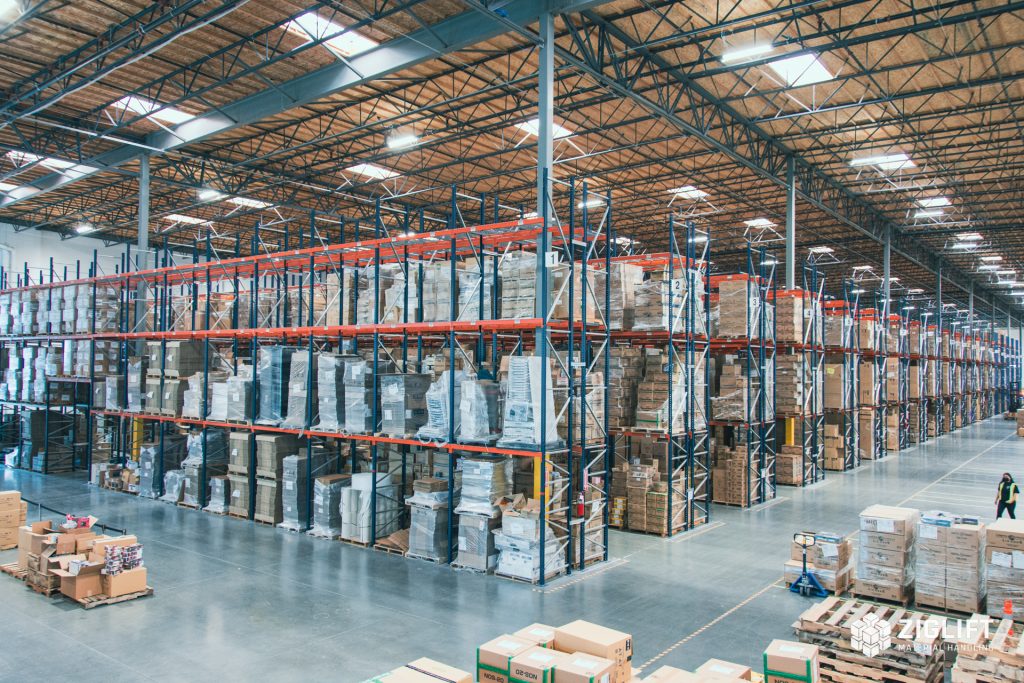


Get a Pushback Rack Quote for Your Coraopolis Warehouse
Send the basics and we will follow up with a layout and pricing. Prefer to talk it through? Call (412) 866-1406.
Pittsburgh Pallet Racks
2681 Sidney St.
Suite D
Pittsburgh, PA 15203
(412) 866-1406Monday - Friday: 8:00 AM - 6:00 PM
Coraopolis freight and reserve FAQs
Other Storage Services in Coraopolis
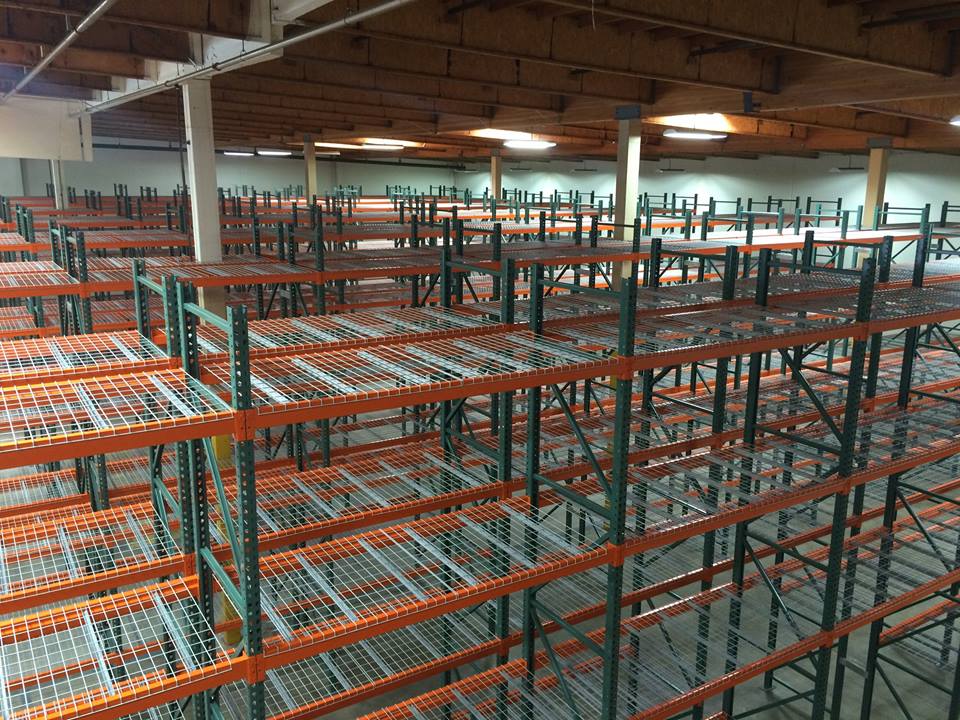
Pallet Rack
Every pallet reachable, every time. The baseline we size everything else against.
View details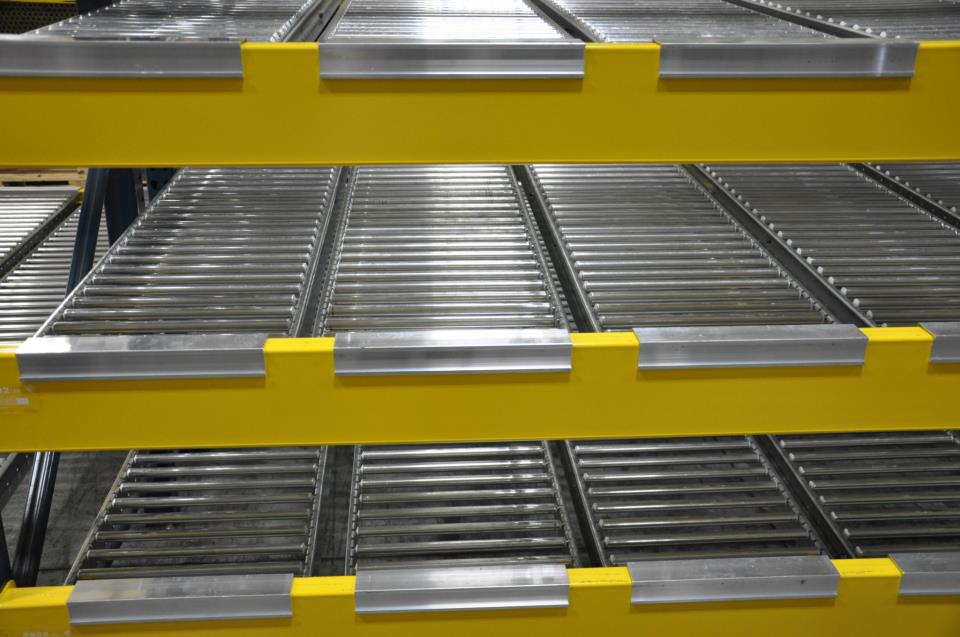
Carton Flow Rack
Cases advance to the picker instead of the picker hunting for cases.
View details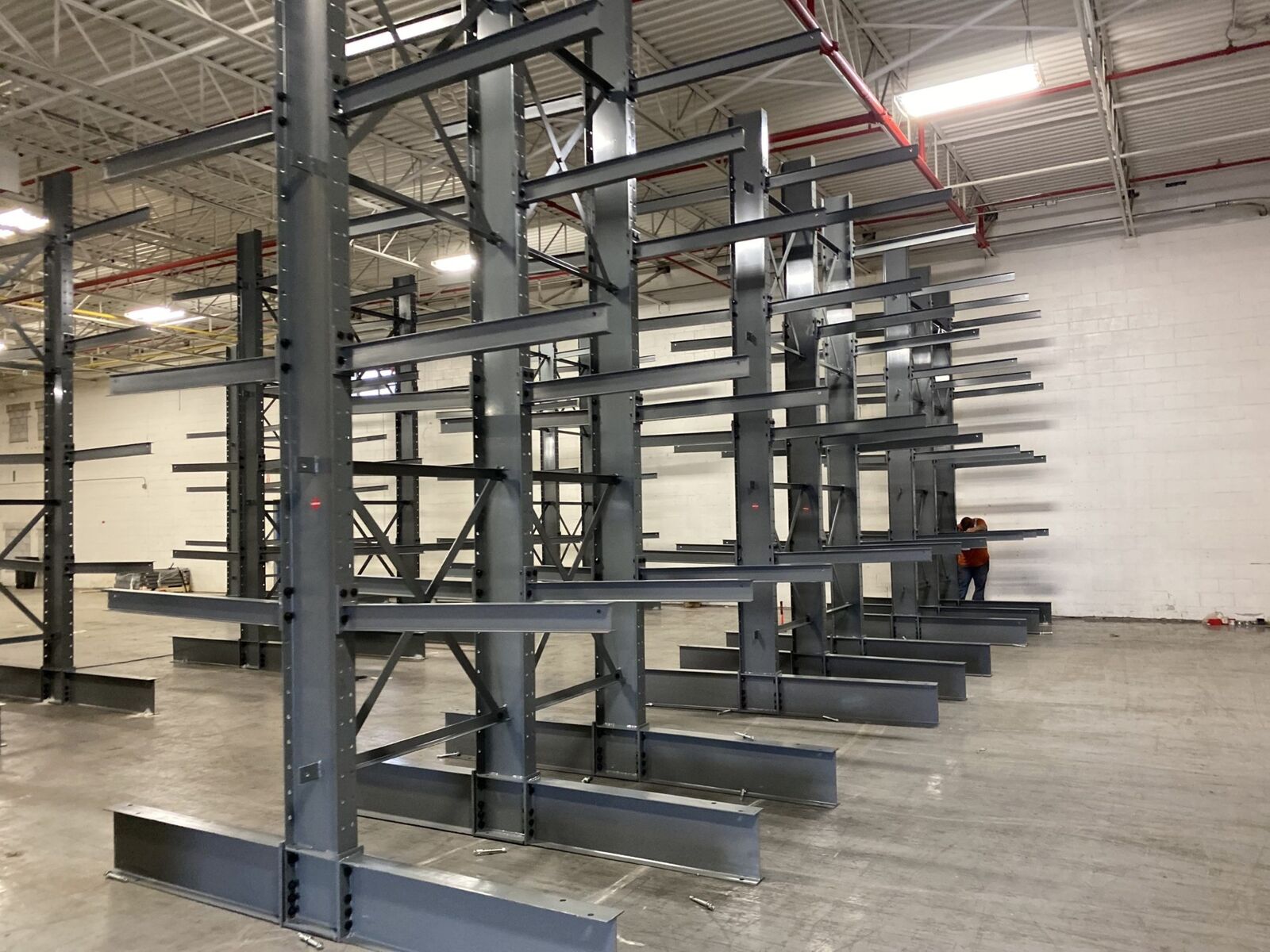
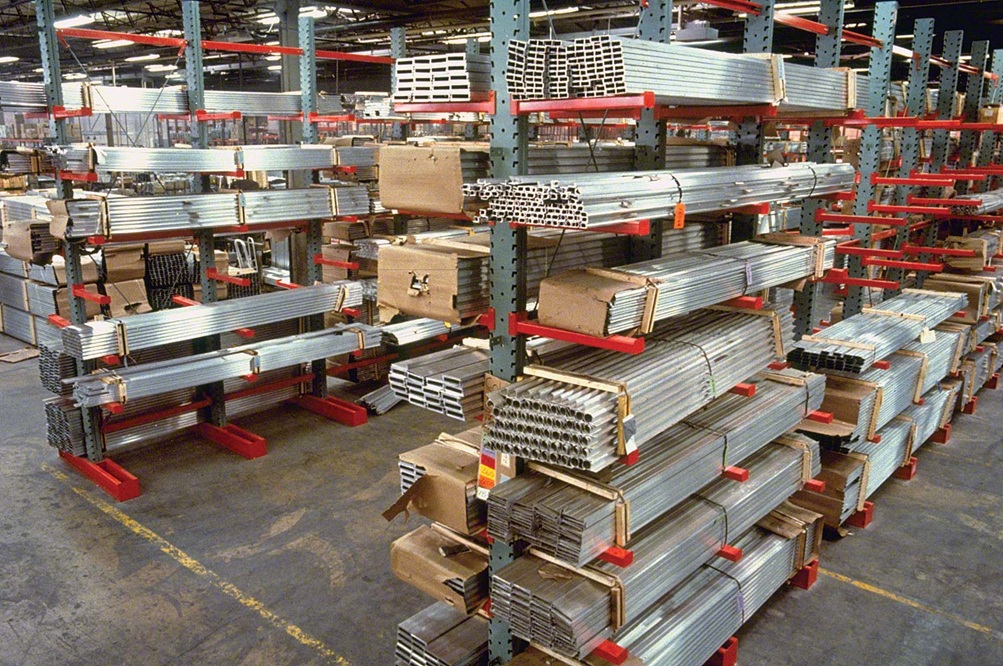
Cantilever Rack
Arms with nothing in front of them, built for lumber, pipe, and anything a pallet can't hold.
View details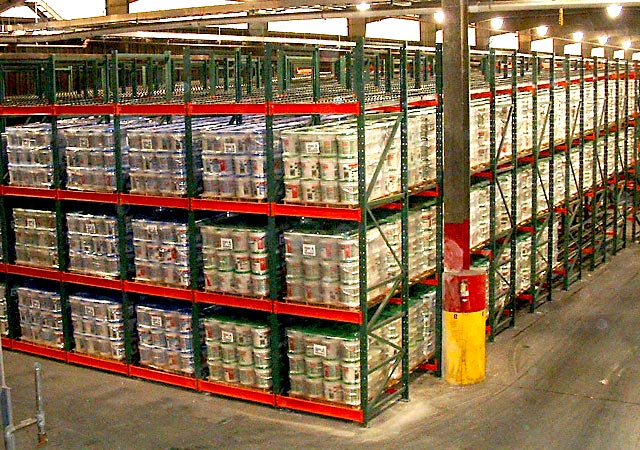
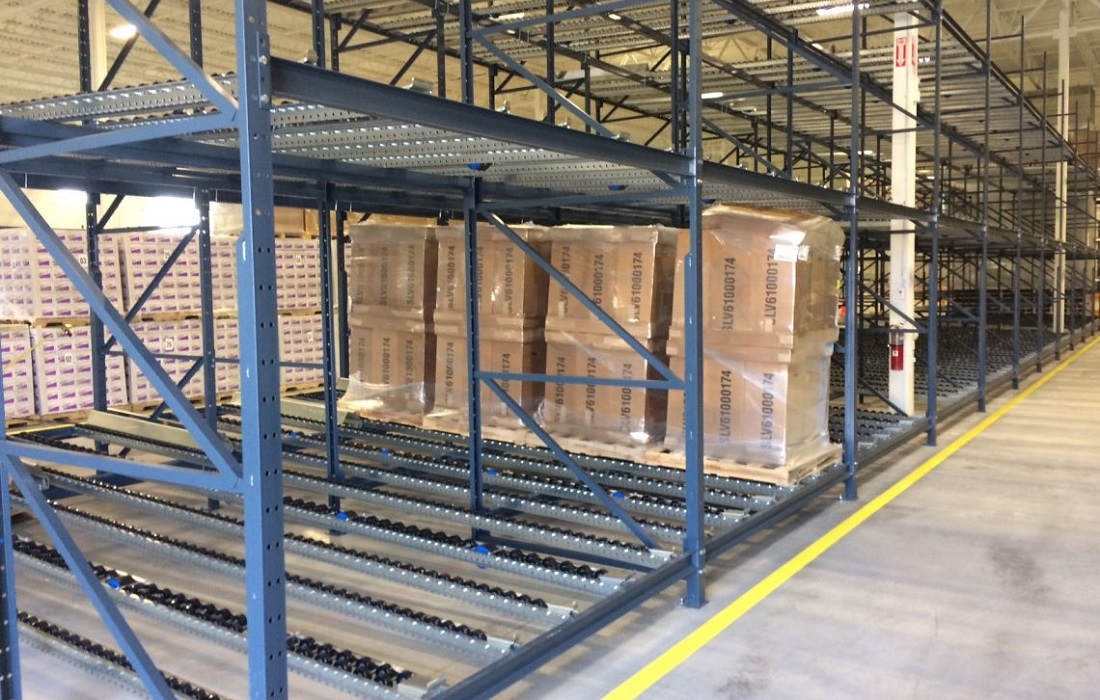
Pallet Flow Rack
Load one side, pick the other, and let gravity enforce first in, first out.
View details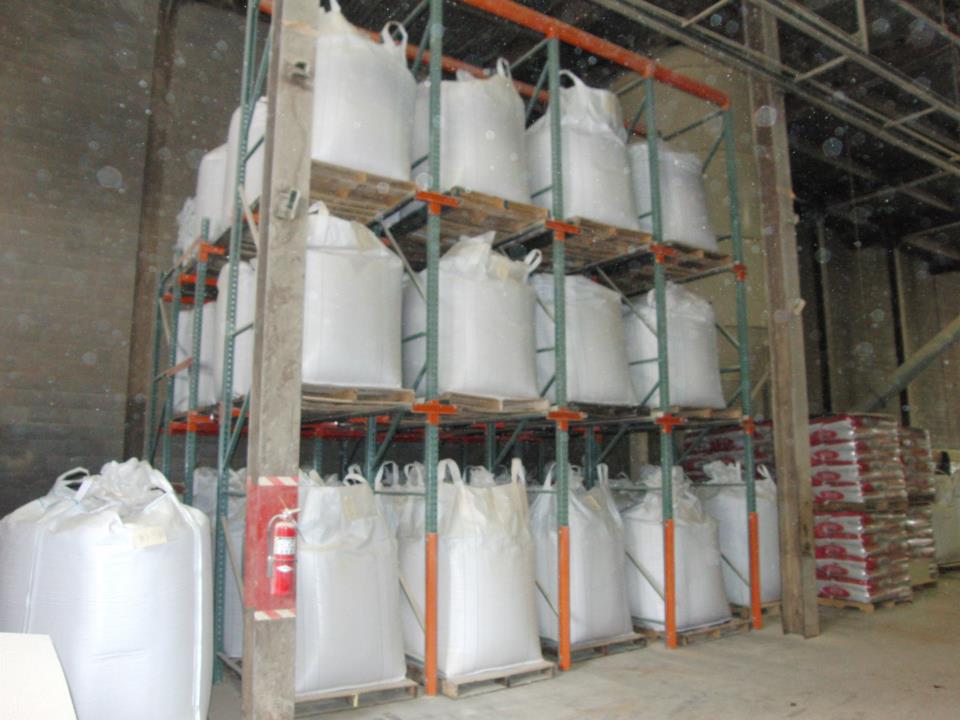
Drive-In Rack
Forklifts enter deep storage lanes, trading individual pallet access for bulk storage capacity.
View detailsWarehouse Relocation
Teardown, component labeling, transport coordination, and reinstallation planned around your move.
View detailsNearby Areas We Also Serve
Our delivery and installation territory covers Greater Pittsburgh and western Pennsylvania, so one team can handle multiple buildings for the same company.
Where We Work
Located in Pittsburgh, we serve the entire Greater Pittsburgh metro with industrial pallet racks and warehouse storage solutions.
Pittsburgh Pallet Racks
Address
2681 Sidney St.
Suite D
Pittsburgh, PA 15203
Phone
(412) 866-1406Business Hours
Monday - Friday: 8:00 AM - 6:00 PM
Saturday: Closed
Sunday: Closed
Need Pushback Rack in Coraopolis?
Call (412) 866-1406 or request a quote and we will get a layout started.