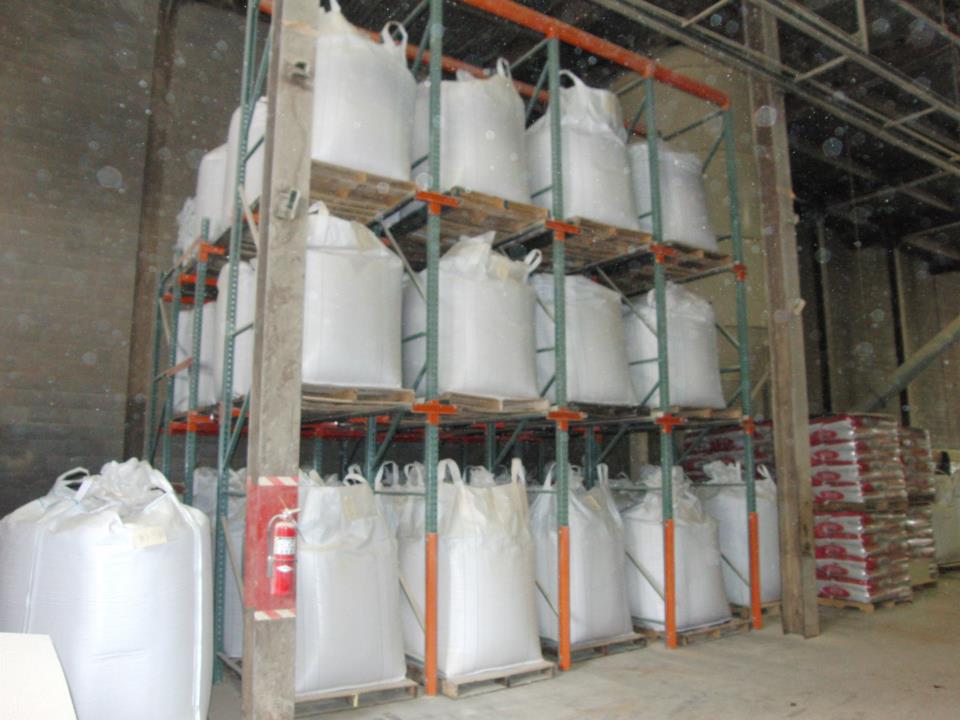
Drive-In Rack in Beaver, PA
Drive-in rack in Beaver makes sense when reserve inventory arrives in repeatable pallet loads and leaves in planned batches. Petrochemical supply and building-product operations can have many pallets but relatively few active SKUs. The starting point is that inventory pattern, not a promise to fill every available corner with steel.
For facilities serving Beaver Valley Industrial Park and the Route 18 corridor, storage planning must distinguish bulk replenishment from urgent maintenance picks. Behind this office stands Warehouse Equipment & Supplies Co., our parent, which began supplying and installing rack in 1997. Our recommendation follows the loads, the building, and the order in which material actually leaves.
Why drive-in rack favors repeated reserve loads
Forklifts enter the storage lanes and set pallets onto rails, reducing the number of access aisles needed between stored loads. That makes this one of the densest storage choices for substantial quantities of matching inventory. It is less attractive when every pallet contains something different or a buried lot may be requested without warning.
The single-entry arrangement follows LIFO handling, with the newest accessible pallet removed first. Drive-thru rack can support FIFO movement through separate loading and retrieval ends, provided operators maintain that sequence. For Beaver industrial logistics, compare those patterns against actual batch release rules before deciding how deep a lane should extend.

Operations We Rack Around Here
Separate planned bulk releases from urgent industrial supply picks before assigning Beaver inventory to deep lanes.
Drive-in pallet rack specifications beyond pallet count
A pallet must bear correctly on the rails under its loaded weight. Record its construction, underside bearing surfaces, load overhang, and condition; two pallets of equal outside size may behave differently. Rail and guide sizing also depend on truck entry geometry, so measure truck width, mast travel, and overhead guard clearance together.
In the Brighton industrial area, existing manufacturing space may bring columns and uneven overhead clearances into the layout. Keep these restrictions visible on the drawing rather than treating the entire building as one clear box. Along the Shell Cracker Plant corridor, reserve stock should not obstruct the routes serving short-notice industrial supply orders.
Cold storage calls for cold-rated design, not an assumption that ordinary components will suit a freezer. Pushback deserves consideration where several reserve SKUs need separate lanes and operators should remain in the aisle. It can trade some depth for simpler access without forcing a truck to travel inside each storage channel.
How drive-in rack planning follows Beaver inventory
My advice after twenty-five years of warehouse planning is to test the difficult withdrawal first. If an urgent industrial part can sit behind unrelated stock, revise the inventory grouping before selecting the equipment.
Build a lane inventory
Record pallets per SKU, receipt quantities, and batch restrictions. Identify reserve loads that can remain together and keep maintenance items needing immediate selection in a separate access strategy.
Inspect the available envelope
Map door approaches, building supports, overhead obstacles, and loaded forklift turns. Include the space needed to reverse out without interfering with receiving traffic or nearby production movements.
Set load and truck requirements
Confirm pallet weights and rail contact with the supplier, then verify guide clearances against the actual truck. Establish lane depth from stock movement rather than simply extending rows to the wall.
Arrange the work sequence
Schedule installation zones and unloading space around plant activity. Rack-installation crews we schedule and manage erect the equipment anchored to the floor, followed by a review of approved loading practices.
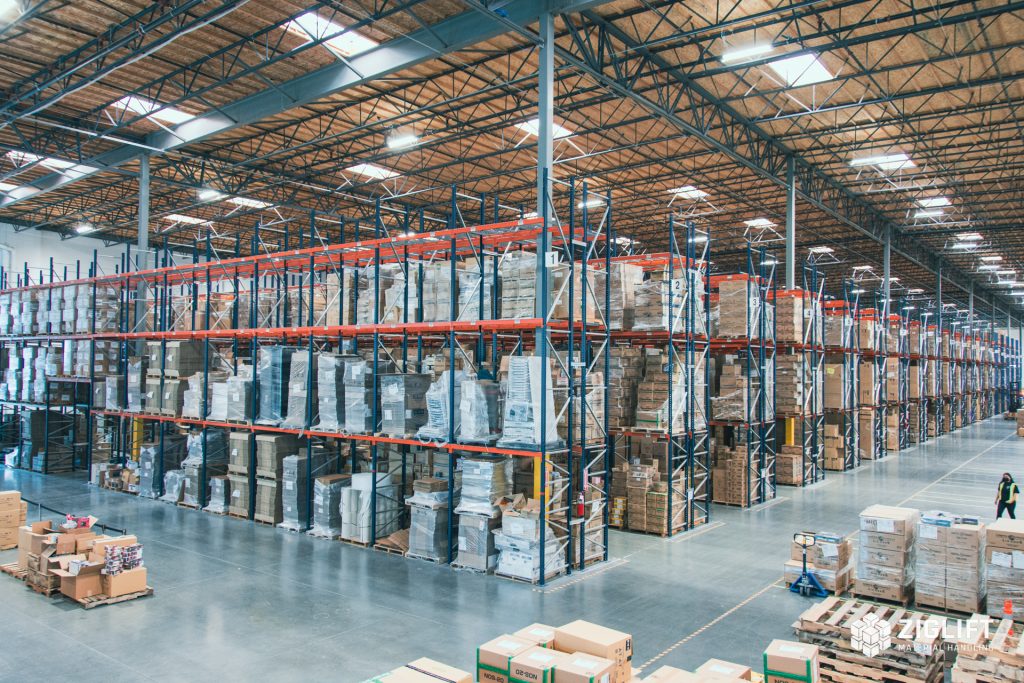
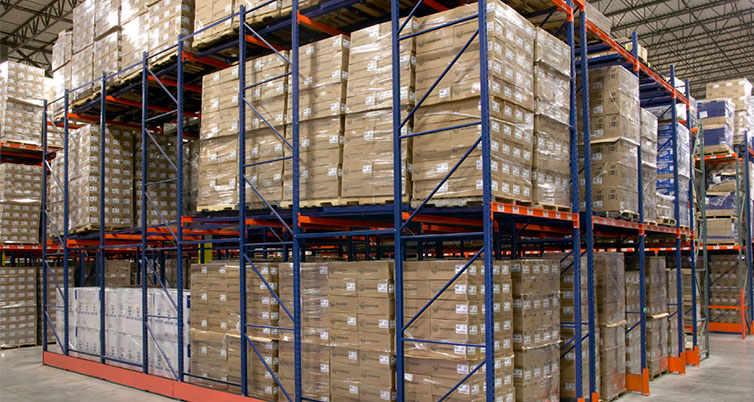
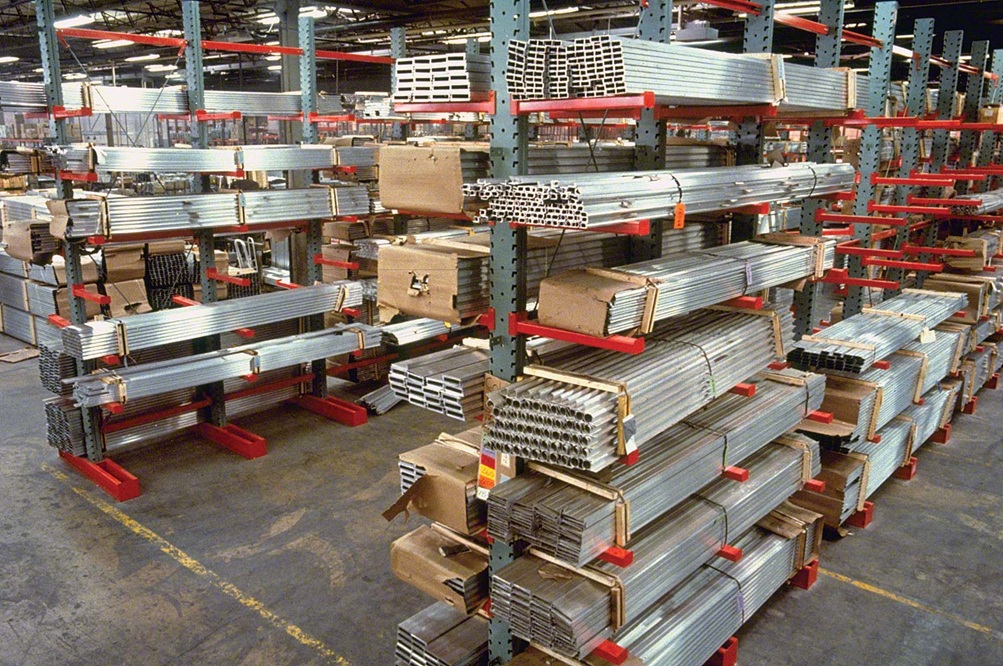
Beaver buyers weighing alternatives can jump to selective storage, the drive-in summary, pushback lanes or gravity flow below.
Warehouse Rack Systems
Storage configurations for pallet handling, long material, and case picking.

Get a Drive-In Rack Quote for Your Beaver Warehouse
Share your pallet schedule, loading rules, and Route 18 area building dimensions for a focused equipment discussion. Call (412) 866-1406.
Pittsburgh Pallet Racks
2681 Sidney St.
Suite D
Pittsburgh, PA 15203
(412) 866-1406Monday - Friday: 8:00 AM - 6:00 PM
Beaver drive-in rack decisions explained
Other Storage Services in Beaver
Pallet Rack
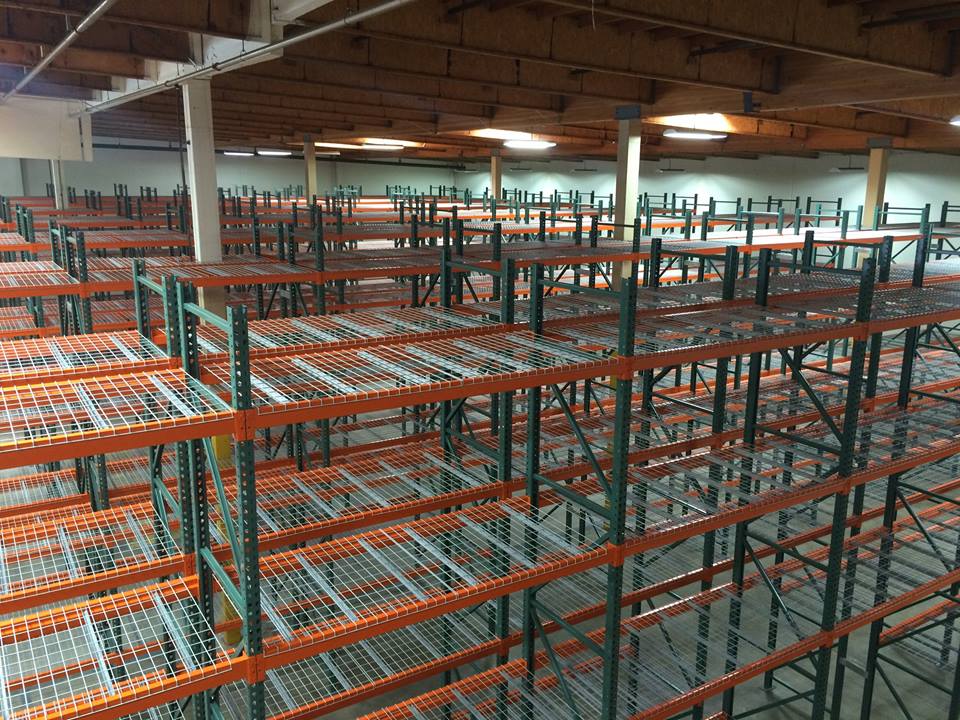
Every pallet reachable, every time. The baseline we size everything else against.
View details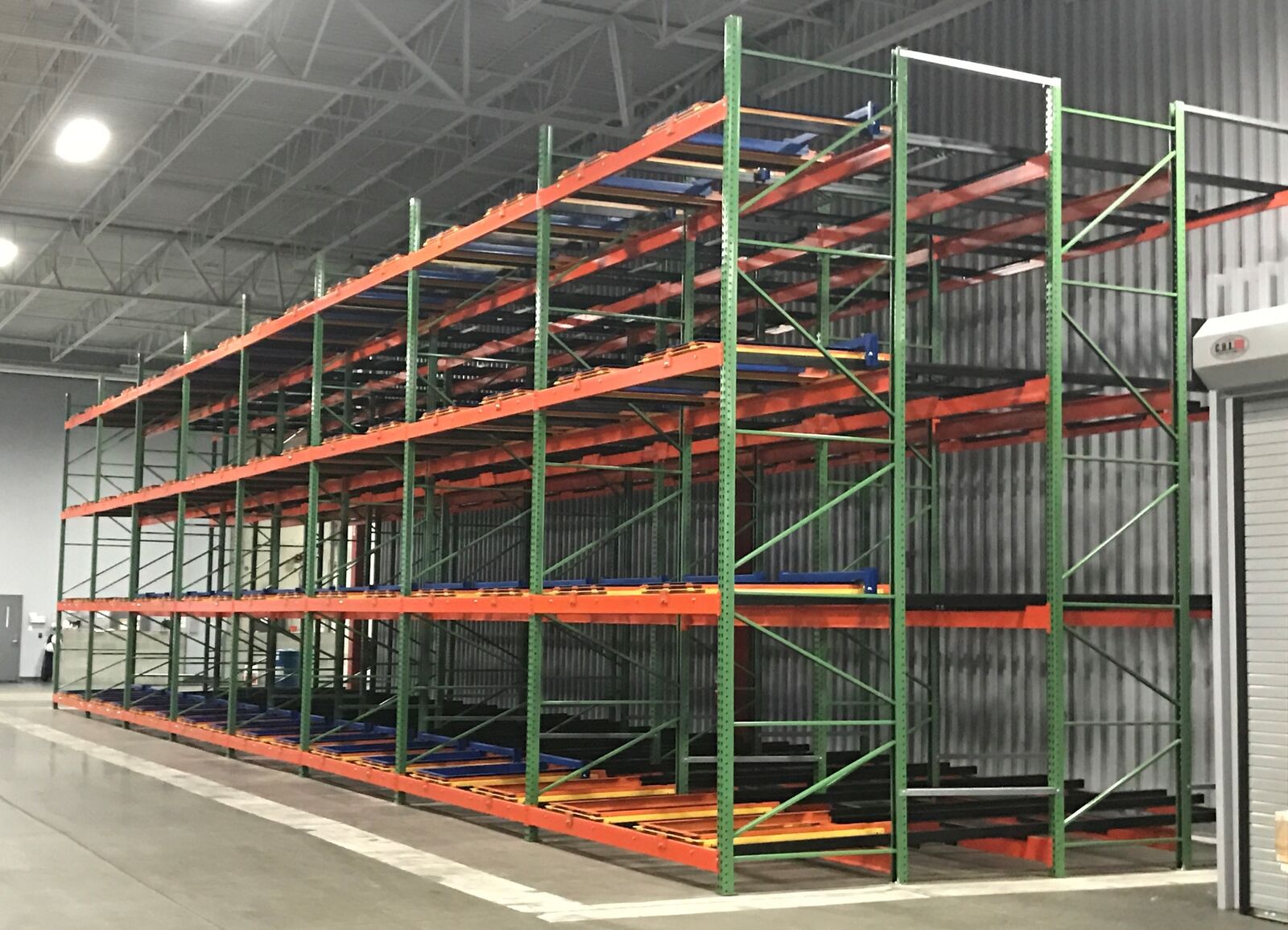
Pushback Rack
Two to six pallets deep from one aisle, without giving up much reach.
View details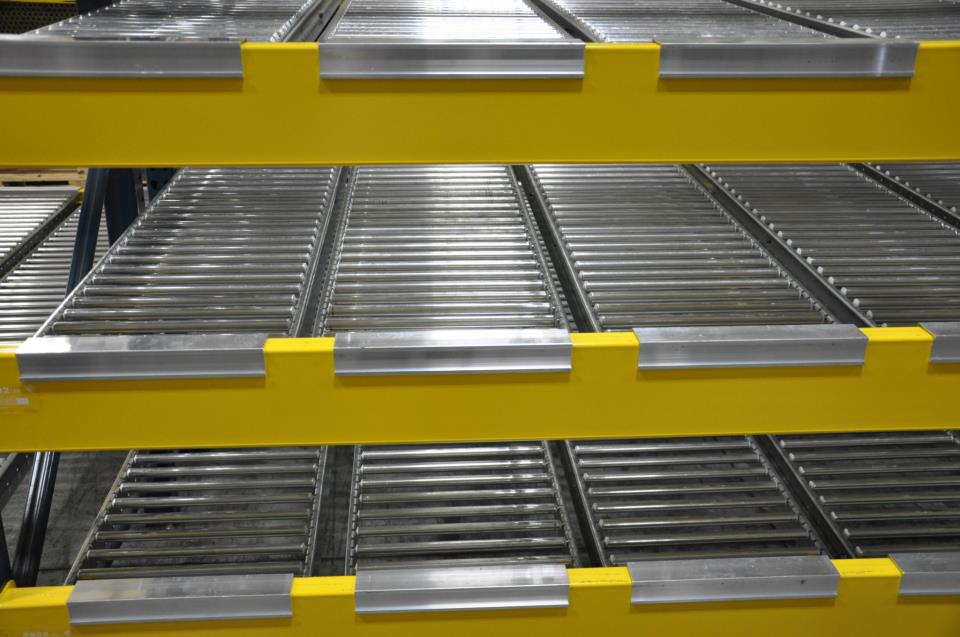
Carton Flow Rack
Cases advance to the picker instead of the picker hunting for cases.
View details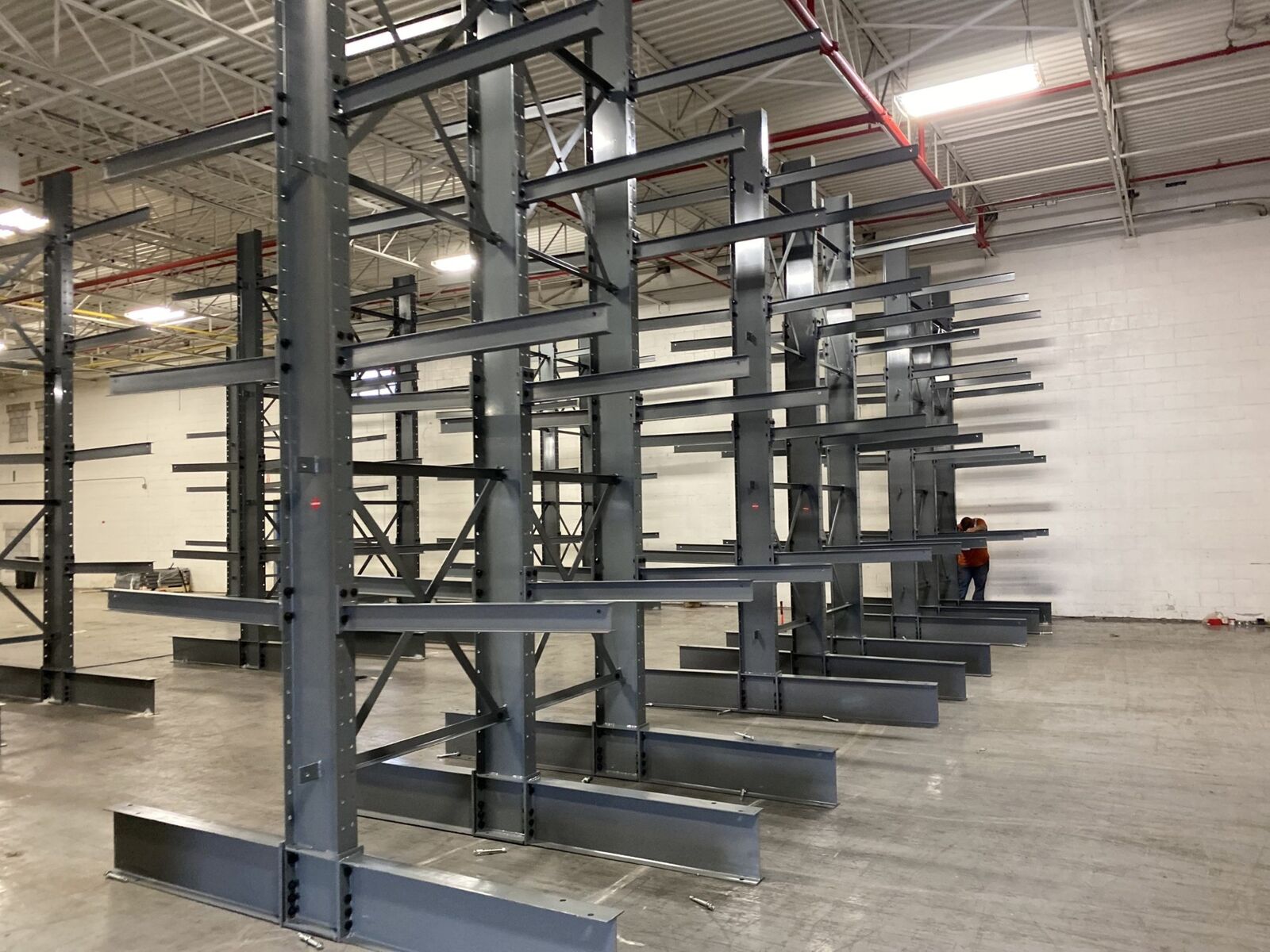
Cantilever Rack
Arms with nothing in front of them, built for lumber, pipe, and anything a pallet can't hold.
View details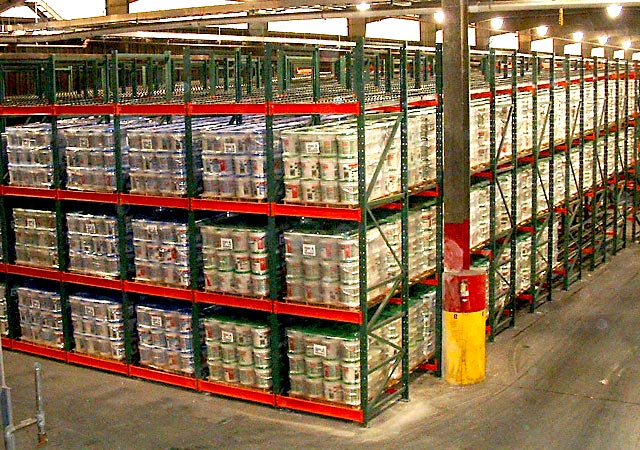
Pallet Flow Rack
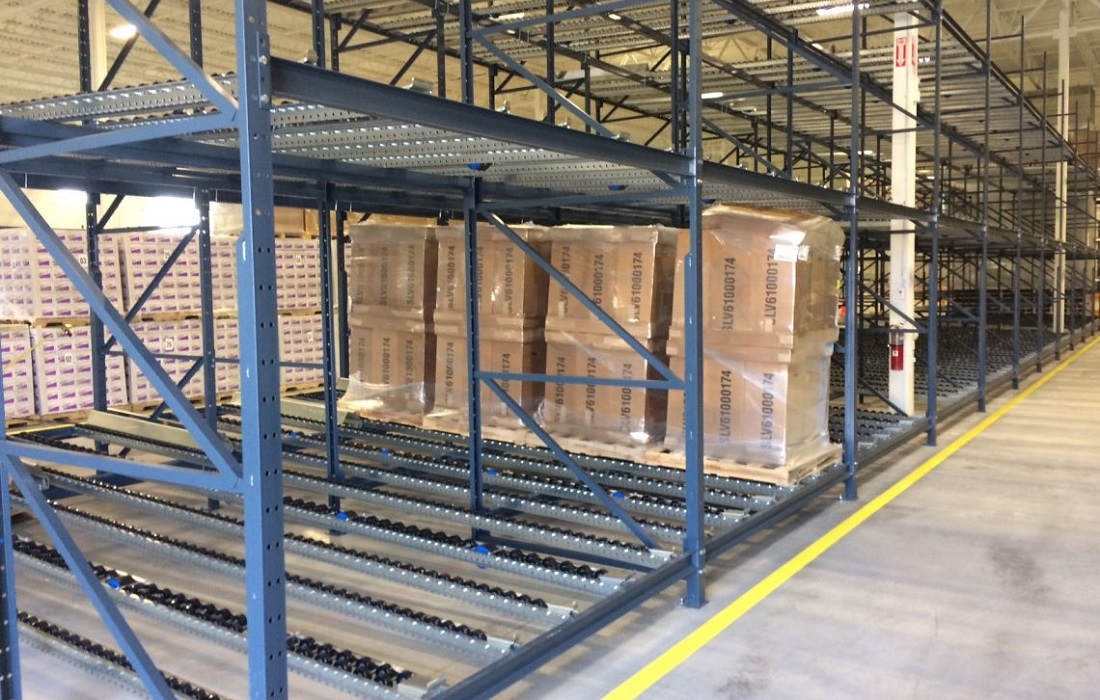
Load one side, pick the other, and let gravity enforce first in, first out.
View detailsWarehouse Relocation
Teardown, component labeling, transport coordination, and reinstallation planned around your move.
View detailsNearby Areas We Also Serve
We also consider storage needs across nearby Beaver County locations, with each site evaluated against its own handling pattern.
Where We Work
Located in Pittsburgh, we serve the entire Greater Pittsburgh metro with industrial pallet racks and warehouse storage solutions.
Pittsburgh Pallet Racks
Address
2681 Sidney St.
Suite D
Pittsburgh, PA 15203
Phone
(412) 866-1406Business Hours
Monday - Friday: 8:00 AM - 6:00 PM
Saturday: Closed
Sunday: Closed
Need Drive-In Rack in Beaver?
Call (412) 866-1406 or request a quote and we will get a layout started.