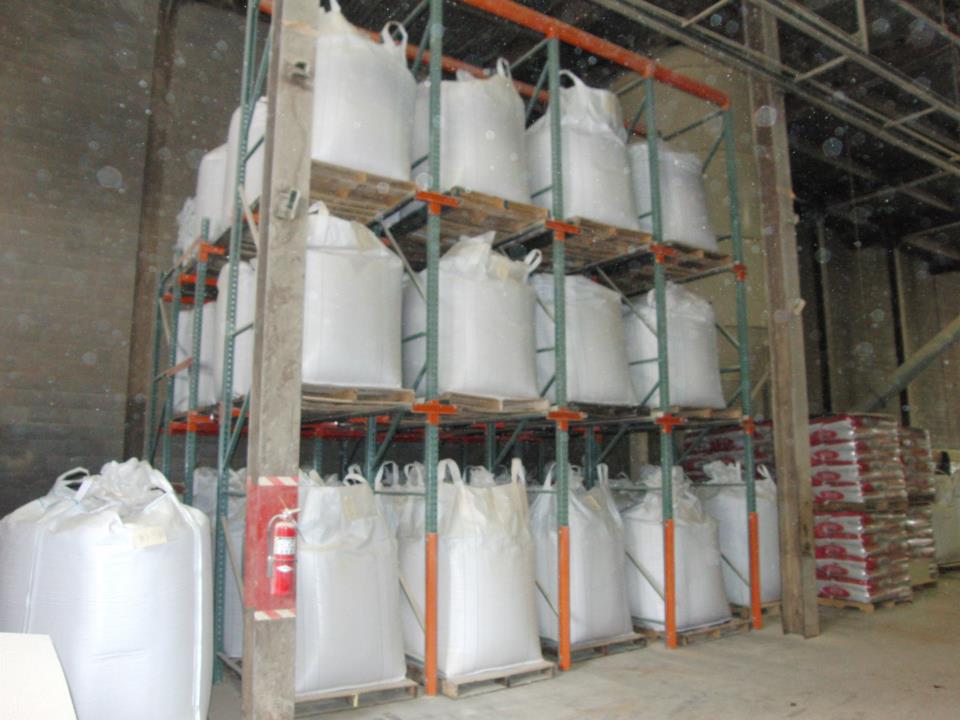
Drive-In Rack in Robinson Township, PA
Drive-in rack in Robinson Township belongs in the reserve portion of an operation, not automatically beside its busiest doors. A freight-forwarding warehouse may need generous dispatch space even when its inventory count suggests deep storage. Protect the cross-dock movement first, then determine which stock can remain together behind that active working area.
Around Pittsburgh International Industrial Park and the Parkway West corridor, air cargo, pharmaceutical distribution, and e-commerce can demand very different access patterns under one roof. Supply and installation have been our parent's business since 1997; that parent is Warehouse Equipment & Supplies Co. We separate those patterns before recommending how much floor area to commit to reserve lanes.
Why drive-in rack needs a defined reserve role
For many pallets of a few SKUs, removing interior access aisles creates one of the densest storage arrangements available. Forklifts drive into lanes and deposit loads on rails. The benefit weakens when unrelated SKUs fill a lane or an operator must remove several pallets merely to reach one requested order.
A single loading face produces LIFO handling; the last pallet entering is the first accessible for withdrawal. Drive-thru rack supports FIFO from opposite faces when loading and retrieval follow the planned direction. Neither arrangement substitutes for selective access to varied e-commerce inventory. Pushback can be a better comparison where trucks should stay outside the storage structure.

Operations We Rack Around Here
Assign airport-corridor reserve replenishment its own working space instead of borrowing the outbound freight queue.
Planning drive-in pallet rack without crowding the docks
In more than twenty-five years of consulting, the recurring lesson is to draw the working traffic before the reserve positions. Robinson Township layouts should show freight waiting for departure as well as inventory already put away.
Sort the storage functions
Divide bulk replenishment, active picking, incoming checks, and outbound staging. Allocate deep lanes only to inventory with sufficient matching pallets and an acceptable retrieval order.
Trace dock-side circulation
Map loaded turns from doors to reserve entrances without crossing dispatch queues. At airport-oriented facilities, verify that temporary freight staging does not consume the aisle required for lane entry.
Check the real equipment
Measure pallet overhang, truck width, mast clearance, and overhead guard movement. Match support rails and entrance guides to those dimensions, including the highest intended placement inside the lane.
Phase the assembly work
Agree which storage zone can be isolated while freight continues elsewhere. Experienced crews, scheduled and managed by us, install the specified equipment anchored to the floor, with operating boundaries explained before loading.
Drive-in rack details for changing freight demands
Newer airport-corridor bulk and flex warehouses may offer substantial clear height, but the usable envelope still depends on doors, building services, and forklift lift capability. Confirm every obstruction over the proposed block. Rail and guide sizing must support the actual pallets while allowing controlled truck travel; outside pallet dimensions alone cannot establish suitability.
For stock serving the Park Manor area, replenishment timing should be coordinated with receiving rather than allowed to spill into cross-dock routes. Label lanes by approved stock family and loading sequence. If the pallet mix changes, review the fit before treating an empty position as an invitation to store a different load.
Grocery or temperature-controlled reserve requires cold-rated design for cooler and freezer conditions. Ask whether batch rotation can be maintained through the chosen entry pattern. Cold space makes density valuable, but recovering a buried lot can undermine the operating plan even when the structure holds the intended pallet count.
For side-by-side reading, Robinson Township pages on standard rack, pushback and pallet flow sit next to the drive-in overview.
Warehouse Rack Systems
Storage configurations for pallet handling, long material, and case picking.

Get a Drive-In Rack Quote for Your Robinson Township Warehouse
Send dock locations, pallet counts by SKU, and forklift specifications for a Robinson Township storage review. Call (412) 866-1406.
Pittsburgh Pallet Racks
2681 Sidney St.
Suite D
Pittsburgh, PA 15203
(412) 866-1406Monday - Friday: 8:00 AM - 6:00 PM
Robinson Township drive-in rack operating questions
Other Storage Services in Robinson Township
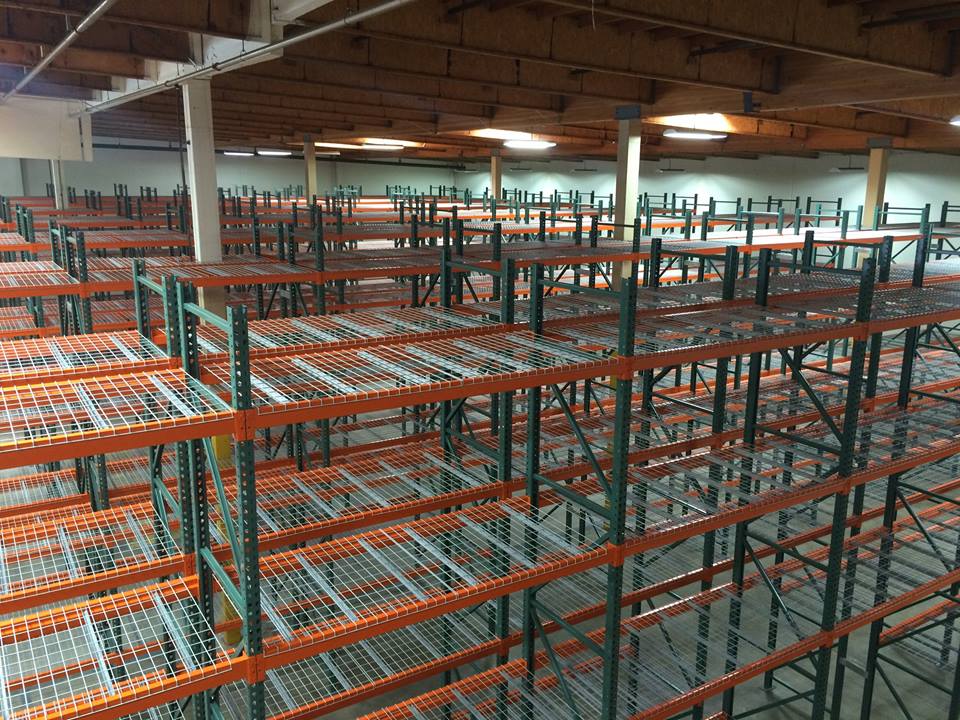
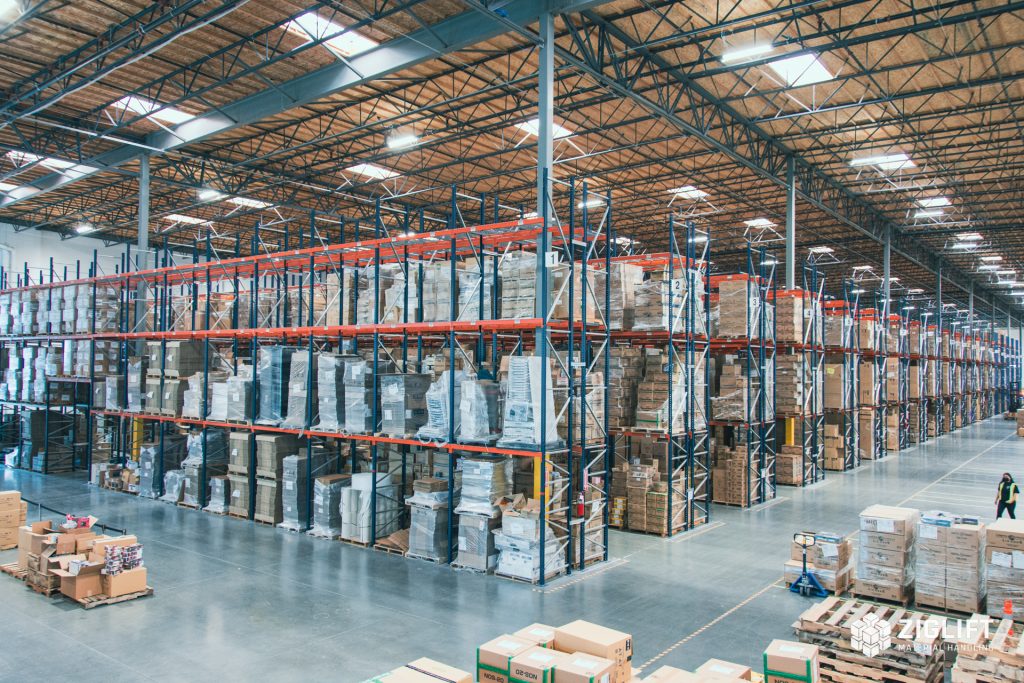
Pallet Rack
Every pallet reachable, every time. The baseline we size everything else against.
View details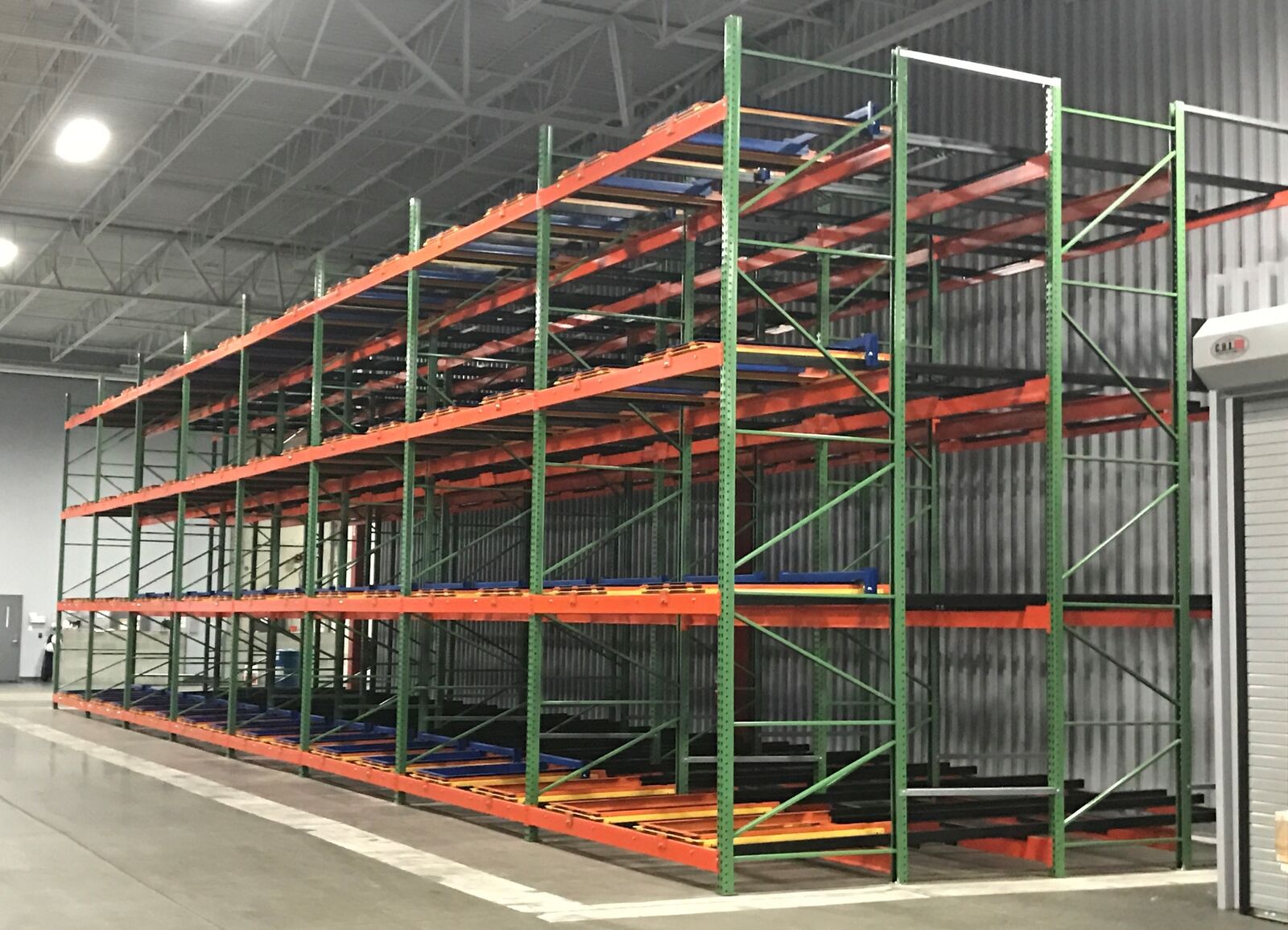
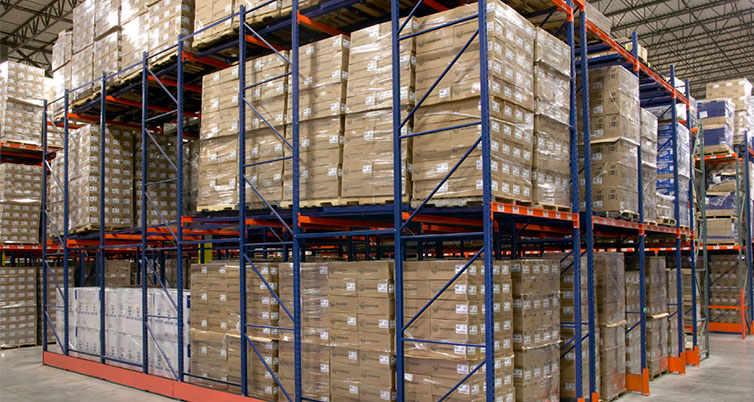
Pushback Rack
Two to six pallets deep from one aisle, without giving up much reach.
View details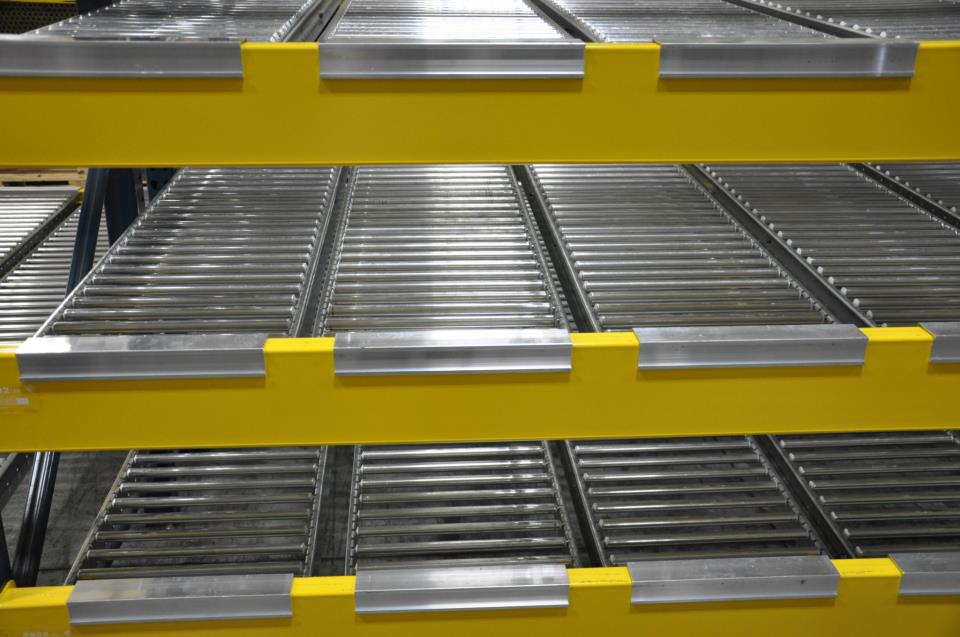
Carton Flow Rack
Cases advance to the picker instead of the picker hunting for cases.
View details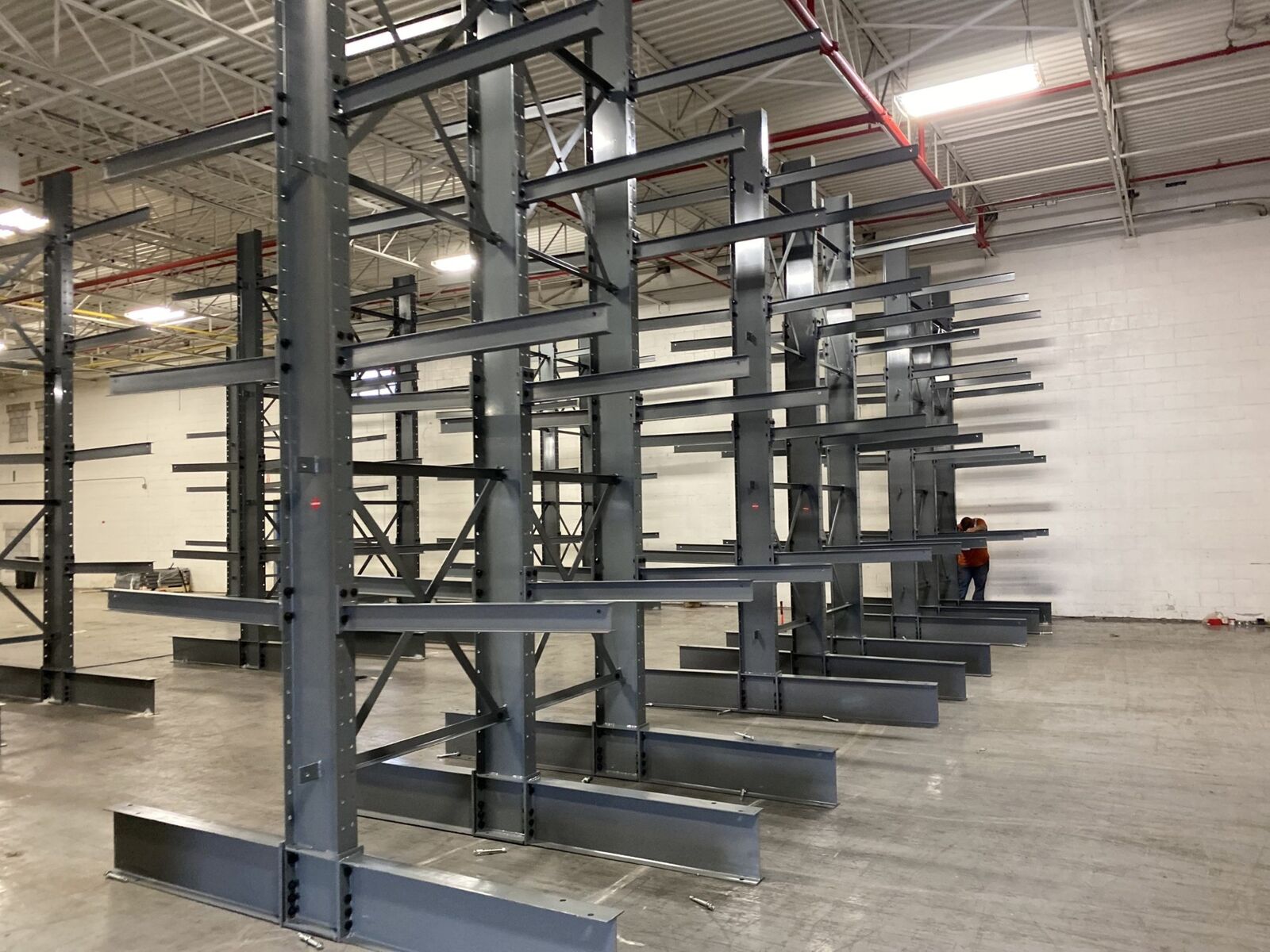
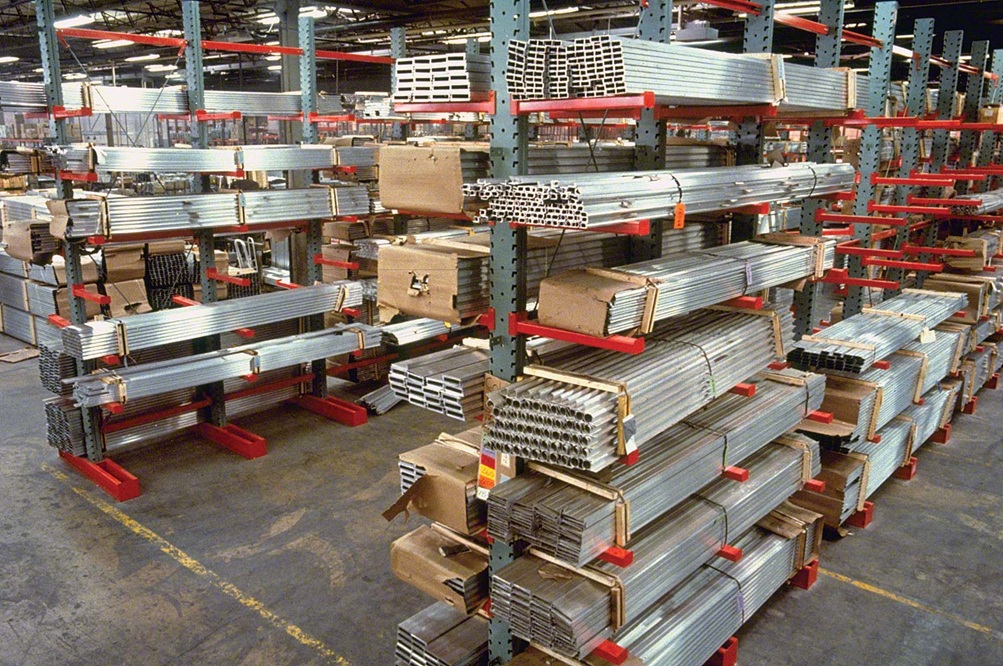
Cantilever Rack
Arms with nothing in front of them, built for lumber, pipe, and anything a pallet can't hold.
View details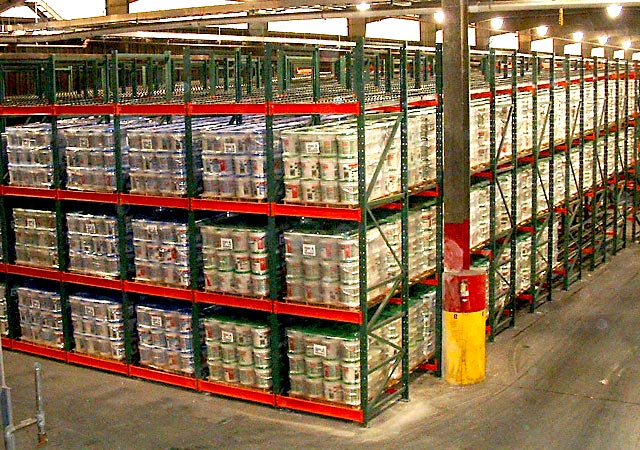
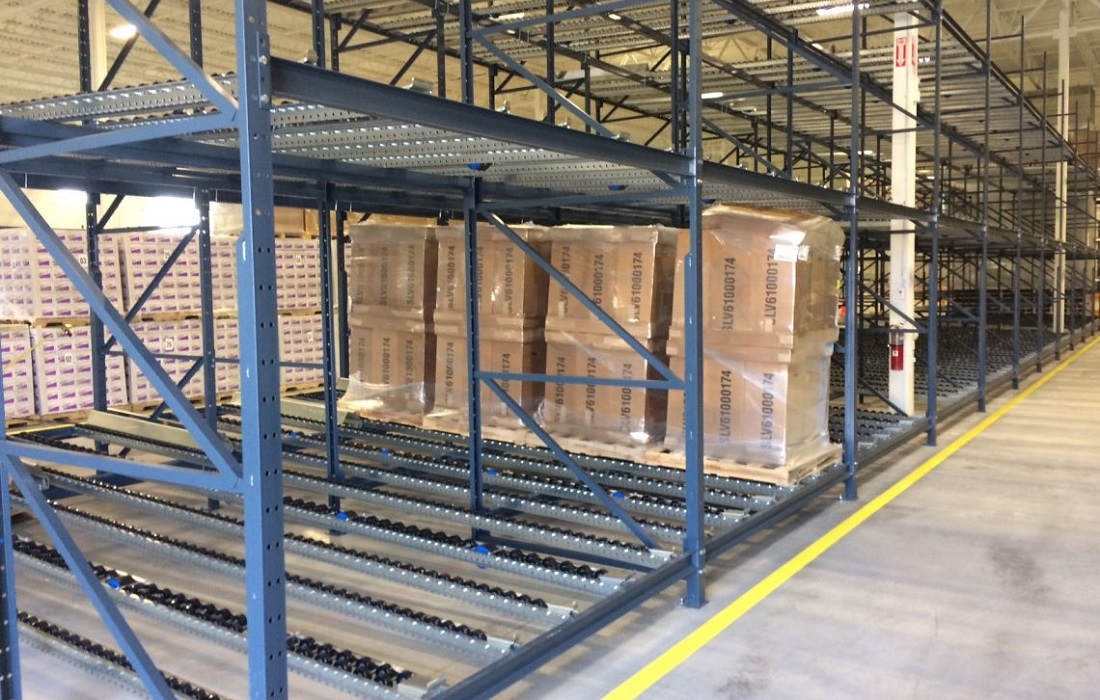
Pallet Flow Rack
Load one side, pick the other, and let gravity enforce first in, first out.
View detailsWarehouse Relocation
Teardown, component labeling, transport coordination, and reinstallation planned around your move.
View detailsNearby Areas We Also Serve
Nearby Parkway West sites may share freight routes, but their door arrangements call for separate lane and staging decisions.
Where We Work
Located in Pittsburgh, we serve the entire Greater Pittsburgh metro with industrial pallet racks and warehouse storage solutions.
Pittsburgh Pallet Racks
Address
2681 Sidney St.
Suite D
Pittsburgh, PA 15203
Phone
(412) 866-1406Business Hours
Monday - Friday: 8:00 AM - 6:00 PM
Saturday: Closed
Sunday: Closed
Need Drive-In Rack in Robinson Township?
Call (412) 866-1406 or request a quote and we will get a layout started.