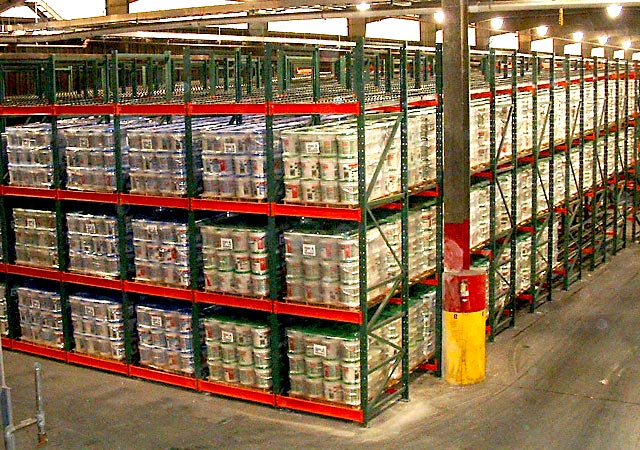
Pallet Flow Rack in Butler, PA
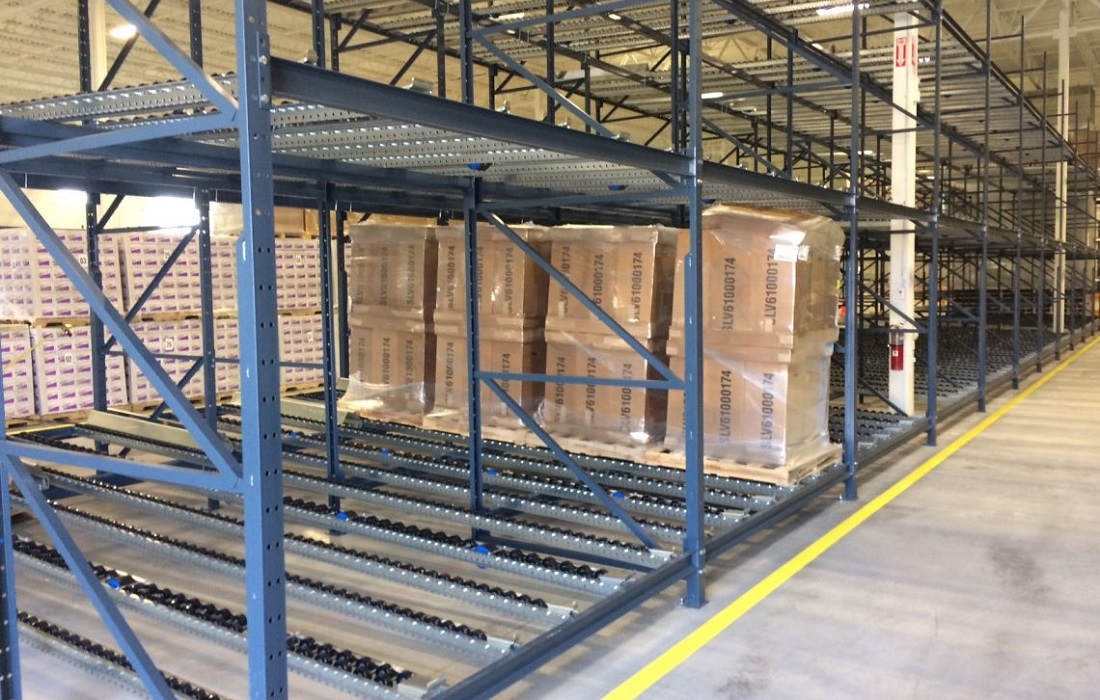
Pallet flow rack in Butler puts repeat shipping pallets on gravity rollers so replenishment enters one end and picking happens at the opposite end. That separation supports first in, first out handling without asking a forklift operator to reach behind newer inventory. Start with dated or high-volume SKUs, not every load in the building.
For a manufacturing-support warehouse using PA-8 and US-422, the practical question is which finished pallets deserve a dedicated lane. Replacement components and bundled material may need different storage. Keep their travel paths separate from the discharge aisle, particularly where production traffic already competes with shipping for turning room.
Pallet flow rack for repeat manufacturing shipments
A lane works best when enough pallets of one SKU move regularly to justify its depth. Count the stock held between receipts, the daily withdrawal rate, and the number of separate lots. Several shallow lanes can serve variable demand better than one deep lane that sits partly empty while another product waits outside.
FIFO depends on discipline as well as gravity. Assign a product and rotation rule to each lane, then prevent replenishment from bypassing older stock. Pushback uses a shared loading face and normally operates LIFO; it can suit reserve inventory without the same date sequence. Compare both against actual handling requirements rather than pallet count alone.
A pallet flow rack proposal should also show where rejected receipts wait and who releases a lane after an exception. Review pallet flow rack replenishment against the shift schedule, including the interval when picking continues but receiving staff are unavailable. These choices affect usable capacity as directly as the number of positions.
Operations We Rack Around Here
For a PA-8 manufacturing-support building supplied through US-422, separate finished shipping pallets from long material and equipment components before planning gravity lanes.
Proving gravity flow rack before selection
Lane slope, roller spacing, and pallet underside geometry have to work together. A steeper track is not a remedy for a pallet that catches. Use representative pallet condition, including ordinary wear, and document the acceptable bottom-board configuration before selecting the final components.
Record the load envelope
Measure loaded height, overhang, weight range, and runner direction. Include the wrapping pattern that reaches receiving, rather than an unusually tidy demonstration pallet.
Trial both weight extremes
Test light and heavy loads through the proposed depth and slope. Watch starts, continuous movement, and the final approach with successive pallets behind them.
Check controlled discharge
Match speed controllers and brakes to the load range. Verify that the leading pallet stops predictably and that removal releases the following load without excessive impact.
Agree on operating limits
Record approved pallets, lane assignments, maximum weights, and loading technique. Demonstrate these limits with operators before the installation is handed over for daily use.
Fitting pallet flow racking into production support
Confirm beam and frame ratings for the proposed configuration, including concentrated track reactions. Existing connections need an identified, compatible arrangement; a bay that accepts selective beams is not automatically suitable for flow tracks. Account for lane hardware and load positions when reviewing the supporting structure, not just the total weight printed on a drawing.
At a PA-68 receiving approach, leave space to inspect pallets before they enter the system. Measure both operating aisles and the transition from production to dispatch. Our division of Warehouse Equipment & Supplies Co. has supplied and installed storage systems since 1997. We schedule experienced installation crews around agreed access windows and coordinate the work sequence with your operation.
Compare FIFO lanes with pushback reserve storage and selective access before assigning your manufacturing inventory.
Warehouse Rack Systems
Storage configurations for pallet handling, long material, and case picking.
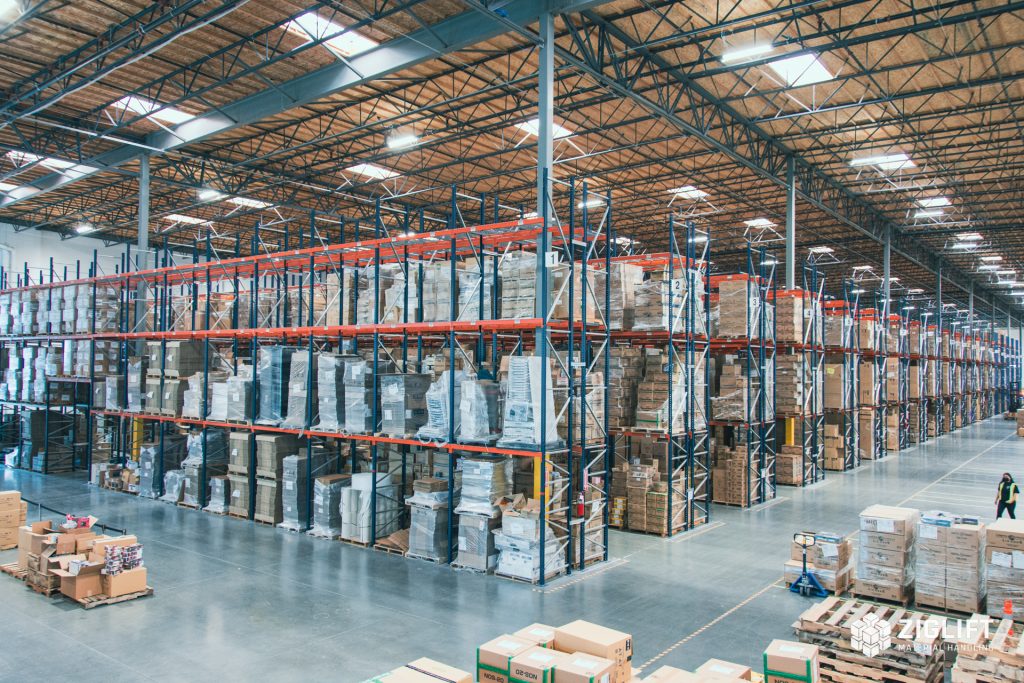
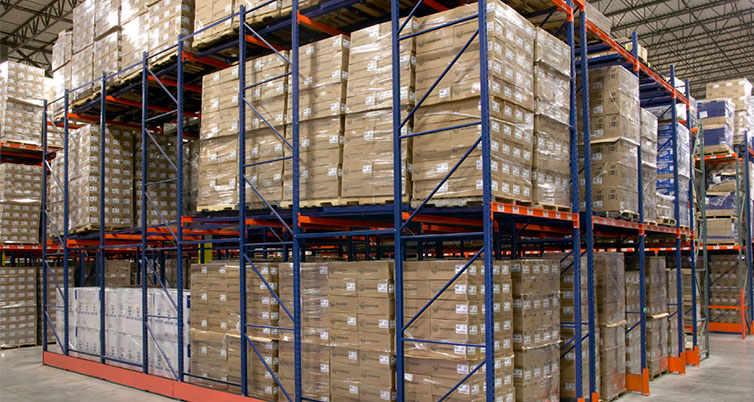


Get a Pallet Flow Rack Quote for Your Butler Warehouse
Bring your Butler production release pattern, load weights and actual pallet measurements to the consultation. A measured sketch helps place retrieval beside the work it supplies. Call (412) 866-1406.
Pittsburgh Pallet Racks
2681 Sidney St.
Suite D
Pittsburgh, PA 15203
(412) 866-1406Monday - Friday: 8:00 AM - 6:00 PM
Butler flow-lane buying questions
Other Storage Services in Butler
Pallet Rack
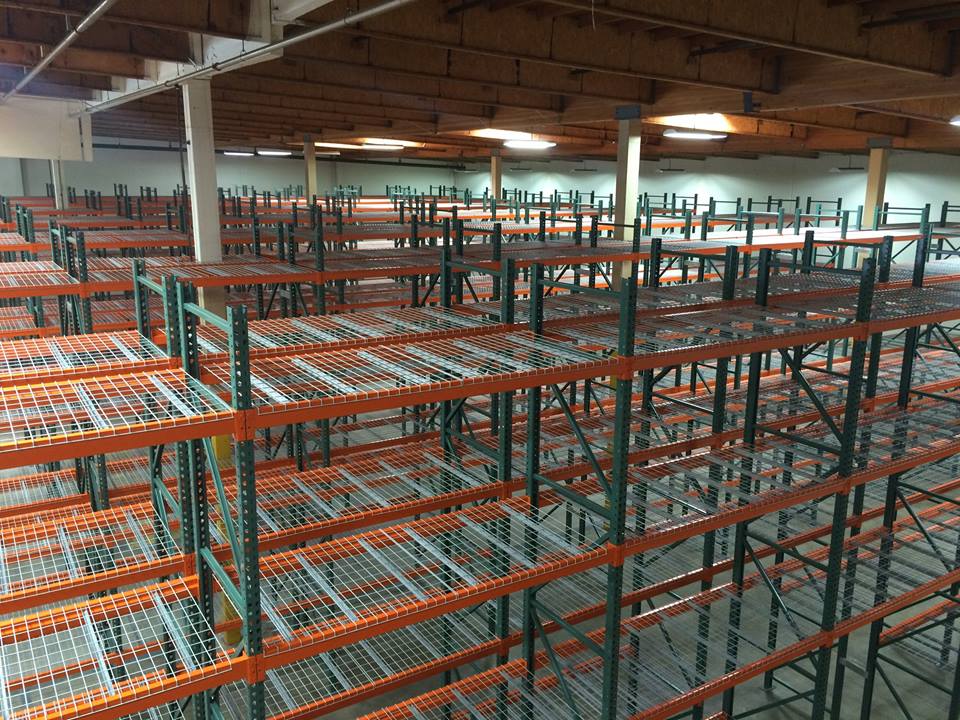
Every pallet reachable, every time. The baseline we size everything else against.
View details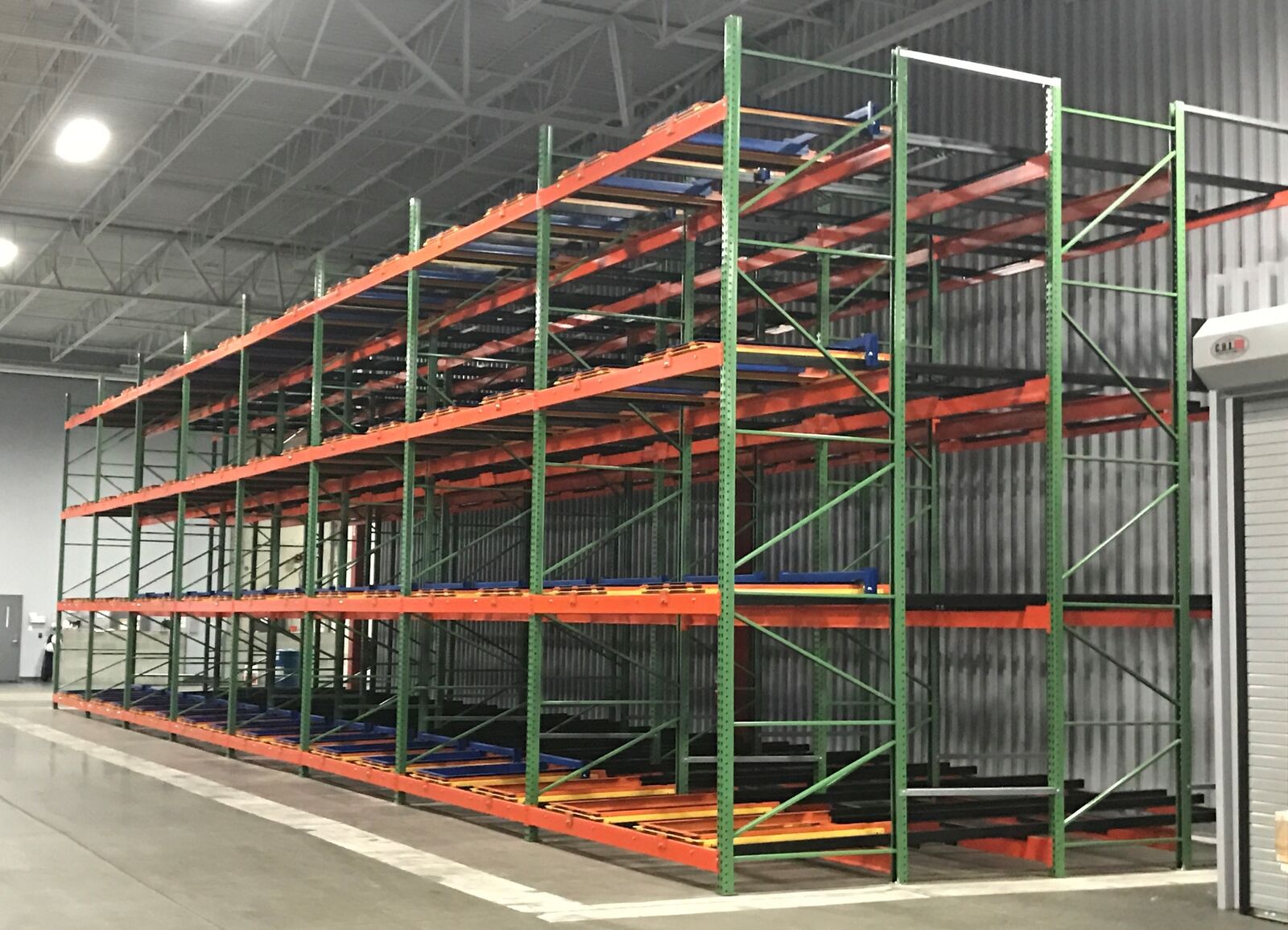
Pushback Rack
Two to six pallets deep from one aisle, without giving up much reach.
View details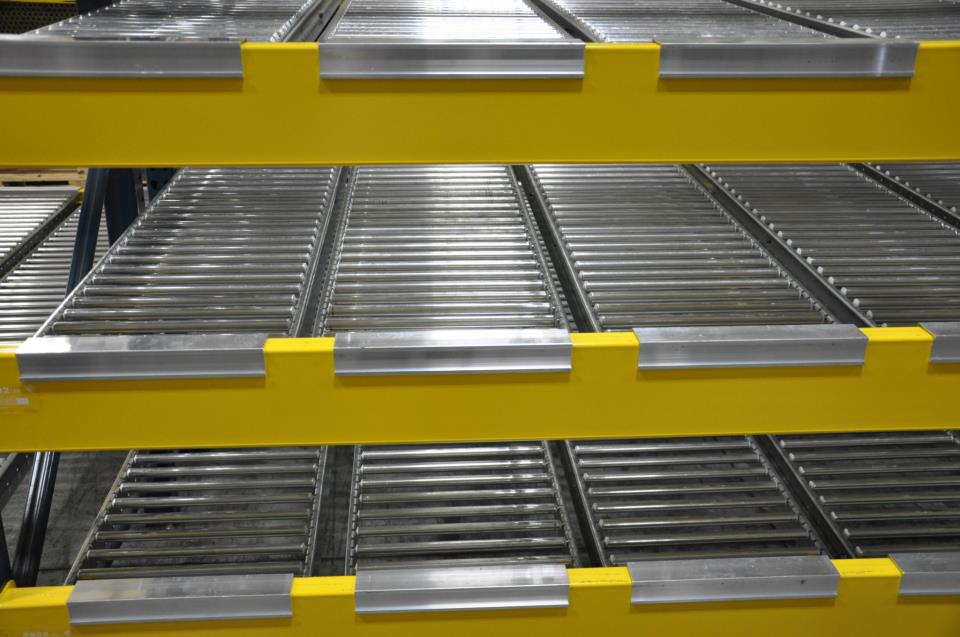
Carton Flow Rack
Cases advance to the picker instead of the picker hunting for cases.
View details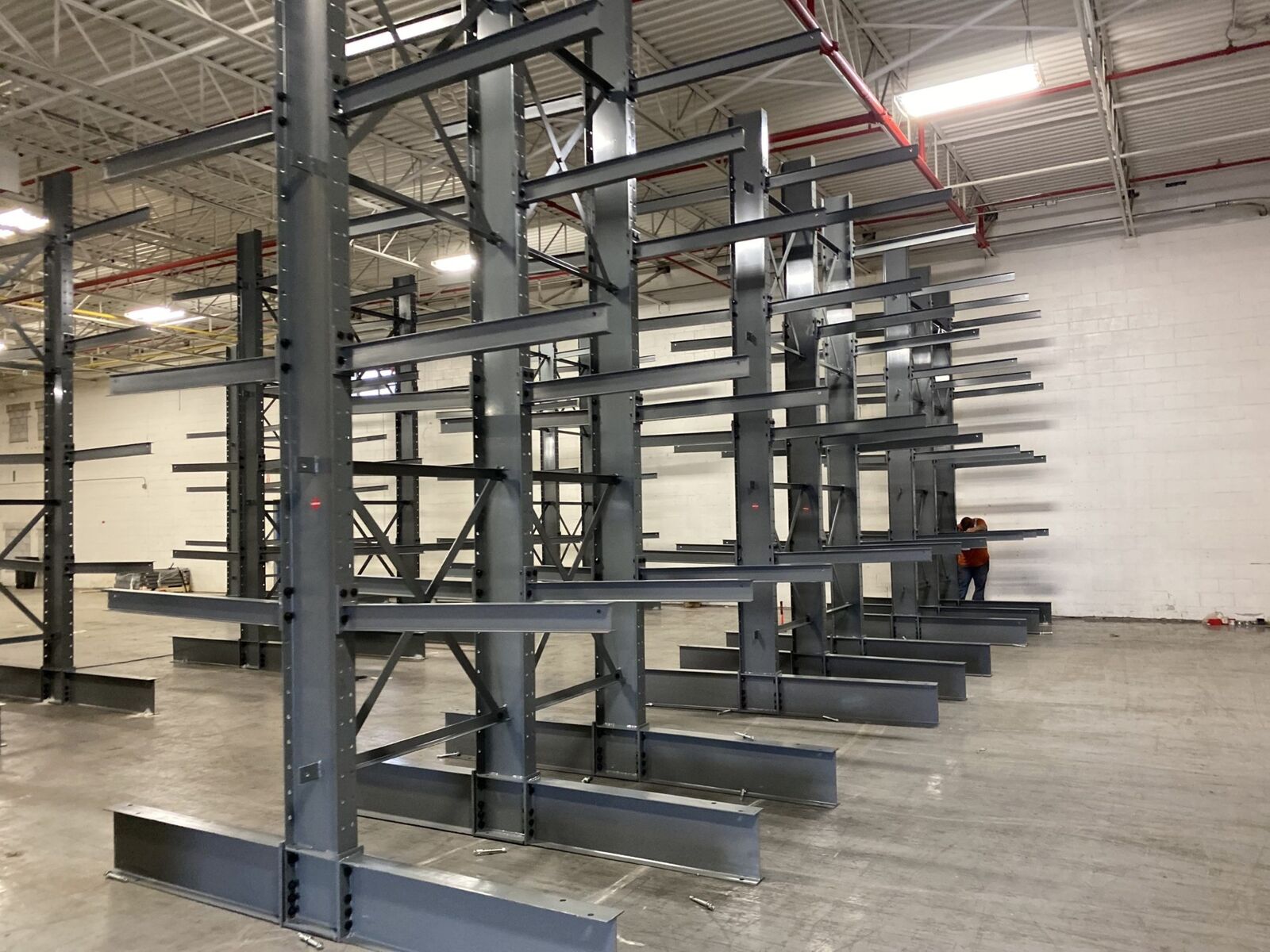
Cantilever Rack
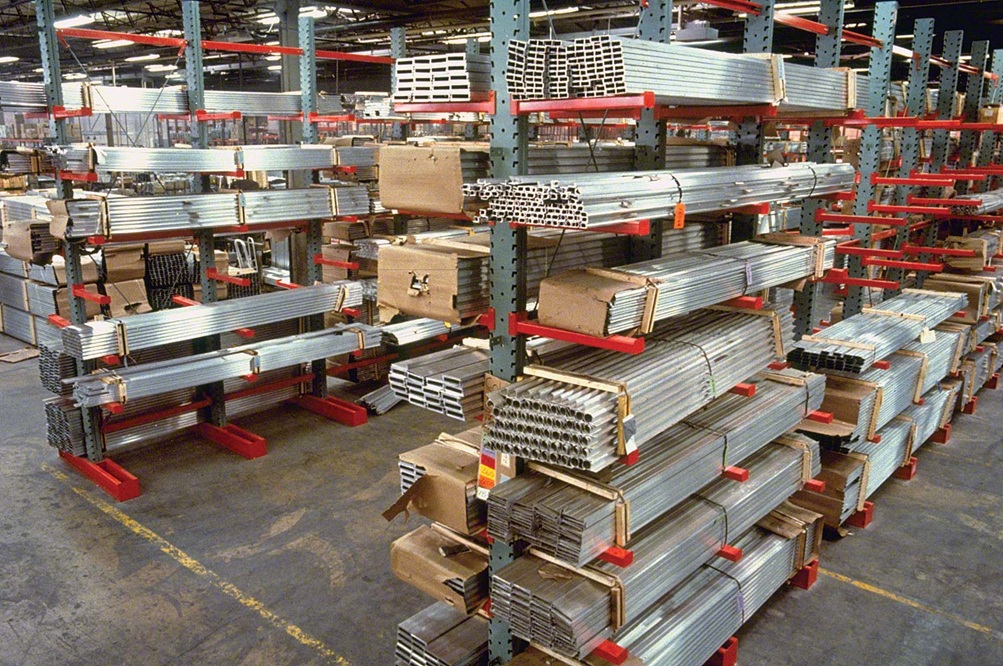
Arms with nothing in front of them, built for lumber, pipe, and anything a pallet can't hold.
View details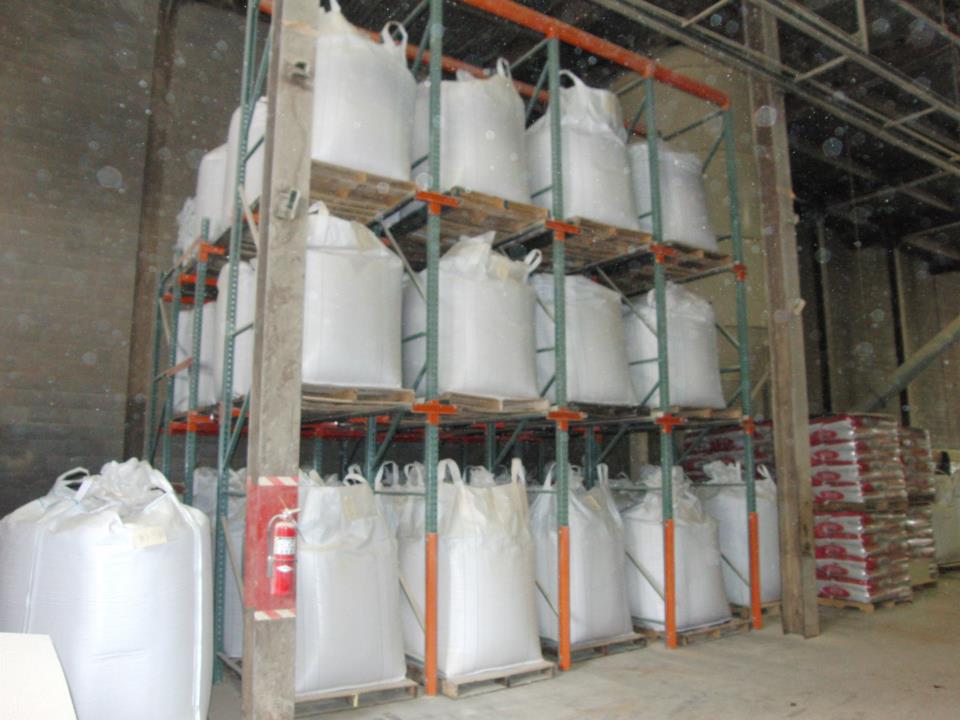
Drive-In Rack
Forklifts enter deep storage lanes, trading individual pallet access for bulk storage capacity.
View detailsWarehouse Relocation
Teardown, component labeling, transport coordination, and reinstallation planned around your move.
View detailsNearby Areas We Also Serve
Other Butler County buildings can have different production clearances. We assess each destination's handling paths before coordinating its material deliveries.
Where We Work
Located in Pittsburgh, we serve the entire Greater Pittsburgh metro with industrial pallet racks and warehouse storage solutions.
Pittsburgh Pallet Racks
Address
2681 Sidney St.
Suite D
Pittsburgh, PA 15203
Phone
(412) 866-1406Business Hours
Monday - Friday: 8:00 AM - 6:00 PM
Saturday: Closed
Sunday: Closed
Need Pallet Flow Rack in Butler?
Call (412) 866-1406 or request a quote and we will get a layout started.